Population, Food, and Soil (Coursera)

Offered by Dartmouth College,
Population, Food, and Soil (Coursera)

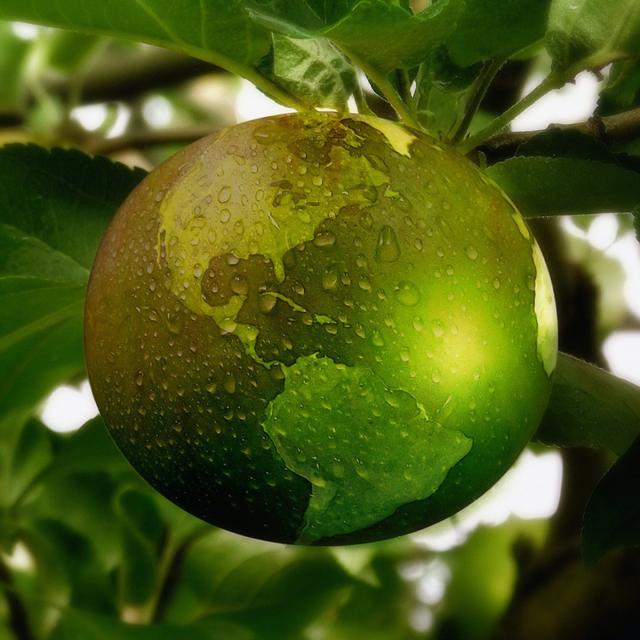
This course explores the population-environment relationship. In this course, you will learn about the human population and the ways in which changes in the population affect the environment. Agriculture, soils, and the environmental implications of eating meat, vegetables, local, organic, sustainable, industrial, and other types of food are discussed too.

Class Deals by MOOC List - Click here and see Coursera's Active Discounts, Deals, and Promo Codes.

We explore questions such as:

  1. How many people live on Earth right now?
  2. What is the carrying capacity of Earth?
  3. What is the relationship between the number of people, where they live, the resources they

consume, and their environmental impact?

  1. What types of agriculture are used right now?
  2. What is the difference between organic and conventional agriculture?
  3. Why would you want to dig a soil pit?

A conversation with Phil Connors, an Australian Environmental Scientist, will explore the topic of human population and sustainability. You will also listen to the conversations with Danielle Allen, an organic farmer, and Justin Richardson, a soil scientist.
Course 2 of 3 in the Introduction to Environmental Science Specialization

Syllabus

WEEK 1
Module 1: Population and the World
This module explores the global population trends, how and why population changes, and concepts related to population numbers including growth rate, doubling time, crude birth and date rates etc.

WEEK 2
Module 2: Global Population
This module explores the global population dynamics.

WEEK 3
Module 3: Agriculture and Environment
This module deals with the major environmental issues related to global human nutrition, some common practices of modern, industrial agriculture and the potential environmental costs associated with each practice. It also explores sustainable farming practices.

WEEK 4
Module 4: Soil and Environment
This module explores the role of soils in ecosystems, soil horizons, and soil-forming processes. Through a video, you will learn about the soils of a particular landscape and learn about various soil-forming processes.

Go to Class
MOOC List is learner-supported. When you buy through links on our site, we may earn an affiliate commission.

Related Courses

Environmental Science (Coursera) Coursera
Dartmouth College

Environmental Science (Coursera)

The Introduction to Environmental Science course explores the field of environmental science and encourages participants to understand how environmental scientists think. It addresses some important questions such as: 1. What is the difference between environmental science and environmental studies? 2. How do both differ from environmentalism? 3. Why is energy so important in environmental science? 4. What do you mean by biodiversity?

Sep 28th 2026
4 Weeks
Alimentación y dietética para una vuelta al mundo a vela (Coursera) Coursera
University of Barcelona

Alimentación y dietética para una vuelta al mundo a vela (Coursera)

Comer bien en una vuelta al mundo no es tarea fácil . Aprenda cómo equilibrar alta nutrición con practicidad mientras navega alrededor del mundo. Este curso pretende introducirte en el mundo de la preparación de los deportistas que participan en regatas de navegación transoceánica, como la Barcelona World Race.

Oct 5th 2026
5-12 Weeks
Climate Change and Water in Mountains: A Global Concern (Coursera) Coursera
University of Geneva

Climate Change and Water in Mountains: A Global Concern (Coursera)

What is climate change? How are mountain regions affected by the evolution of water resources and their uses? What kind of risks need to be considered? Mountains are recognized as particularly sensitive physical environments where intense and rapid changes have in the past, and may increasingly in the future, place pressure on their resource base.

Oct 5th 2026
5-12 Weeks
Edible Insects (Coursera) Coursera
National Taiwan University

Edible Insects (Coursera)

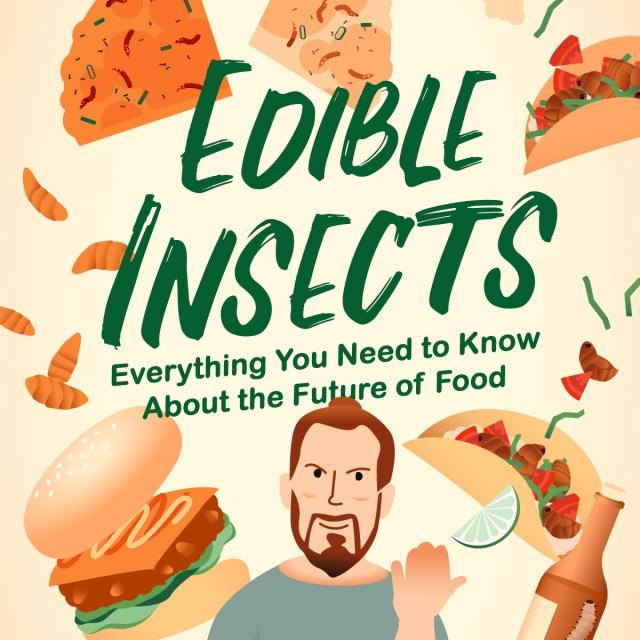
This English language course covers the science and sociology of insects as food and feed. Increasing media, investment, and public policy attention has been given over the years to the role insects may play in the future of food. Can eating insects really save the world from famine and environmental destruction? Are there health costs or benefits to adding insects to the diet? Will all people accept insects as food? Can we feed them to livestock? Should we be promoting edible insects at all, and if so, how best do we do it? What species will we eat and how shall we raise them?

Oct 12th 2026
4 Weeks
Strategy and Sustainability (Coursera) Coursera
IESE Business School

Strategy and Sustainability (Coursera)

Business and environmental sustainability are not natural bedfellows. Business is about making money. Sustainability is about protecting the planet. Business is measured in months and quarters. Sustainability often requires significant short term costs to secure a sometimes uncertain long-term benefit. To some activists, all executives are exploitative, selfish one percenters. To some executives, all activists are irresponsible, unyielding extremists.

Oct 12th 2026
5-12 Weeks
The New Nordic Diet - from Gastronomy to Health (Coursera) Coursera
University of Copenhagen

The New Nordic Diet - from Gastronomy to Health (Coursera)

The New Nordic Diet is a new food culture developed in 2009-13 with key emphasis on gastronomy, health, and environment. Major research in its effect on acceptability, behaviour and learning skills, and disease prevention have been conducted by the OPUS centre at the University of Copenhagen and the people behind the award-winning restaurant Noma in Copenhagen. This course will give the participants the opportunity to experience a healthy and palatable new food and eating concept diet “The New Nordic Diet” and an understanding of how food and diets can affect mental and physical health and ensure the foundation for a healthier life style for future generations with a regional based diet and food culture.

Sep 28th 2026
5-12 Weeks
Introduction to Food and Our Environment (Coursera) Coursera
Stanford University

Introduction to Food and Our Environment (Coursera)

This course is designed to help learners around the world become more sustainable eaters. Together, we’ll explore key topics, like how food production impacts the environment and why meat production and protein consumption are often at the center of the debate around sustainability. We’ll introduce the pros and cons of different kinds of agriculture, fishing and food packaging, with a focus on how we can make more environmentally friendly decisions on a daily basis. We’ll also look ahead and explore some of the technology innovations that could become increasingly important as we look at the future of food for a growing global population.

Sep 28th 2026
4 Weeks
Coberturas de riesgo con futuros y opciones para agrobusiness (Coursera) Coursera
Universidad Austral

Coberturas de riesgo con futuros y opciones para agrobusiness (Coursera)

La producción agropecuaria y agroalimentaria tiene una gran importancia en las economías latinoamericanas tanto desde el punto de vista de su participación en el PBI de los países, generación de empleo y exportaciones , ya que en muchos casos las exportaciones agroalimentarias constituyen una fuente muy importante de divisas en las economías latinoamericanas.

Oct 12th 2026
4 Weeks
The Influence of Social Context on Health (Coursera) Coursera
University of Michigan

The Influence of Social Context on Health (Coursera)

Why are some groups healthier than others, and how do these differences emerge and persist over the life course? How do social policies (e.g., housing, transportation, employment) relate to health and health inequalities? Why are there health disparities even in countries that have free universal health care? This course will address conceptual models for understanding health disparities in the US and internationally, how population science identifies the main sources of these disparities, and how public health can inform policy efforts to address these disparities.

Sep 28th 2026
4 Weeks
Strategies and Tools to Mitigate Agricultural Risk (Coursera) Coursera
University of Illinois at Urbana-Champaign

Strategies and Tools to Mitigate Agricultural Risk (Coursera)

Learners will examine risk management strategies for crop production, discuss techniques and programs to mitigate financial risk, and describe the types of rental agreements for agricultural land use. Learners will also explore traditional and innovative risk management strategies used in agricultural food production.

Oct 12th 2026
5-12 Weeks