Environmental Science (Coursera)

Offered by Dartmouth College,
Environmental Science (Coursera)

The Introduction to Environmental Science course explores the field of environmental science and encourages participants to understand how environmental scientists think. It addresses some important questions such as: 1. What is the difference between environmental science and environmental studies? 2. How do both differ from environmentalism? 3. Why is energy so important in environmental science? 4. What do you mean by biodiversity?

Class Deals by MOOC List - Click here and see Coursera's Active Discounts, Deals, and Promo Codes.

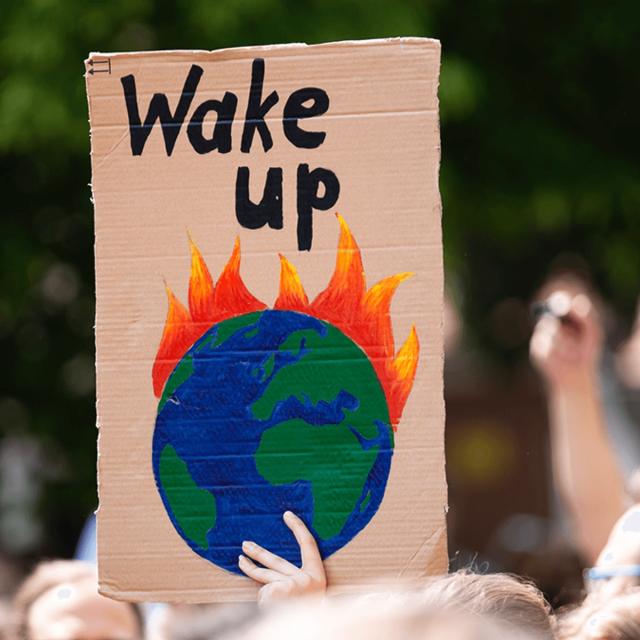
You will also explore what global cycles are and how they impact our lives. You must be aware that the human impact on biodiversity and global change are two of the most important discussion points in environmental science. Have you ever wondered how we are affecting global change and biodiversity? How can we reconcile human population growth, resource demands and sustainability? The effects of global change on humans and natural ecosystems and additional factors in evaluating personal environmental impact will also be discussed in this course.
Course 1 of 3 in the Introduction to Environmental Science Specialization.

Syllabus

WEEK 1
Module 1: Basics of Environmental Science
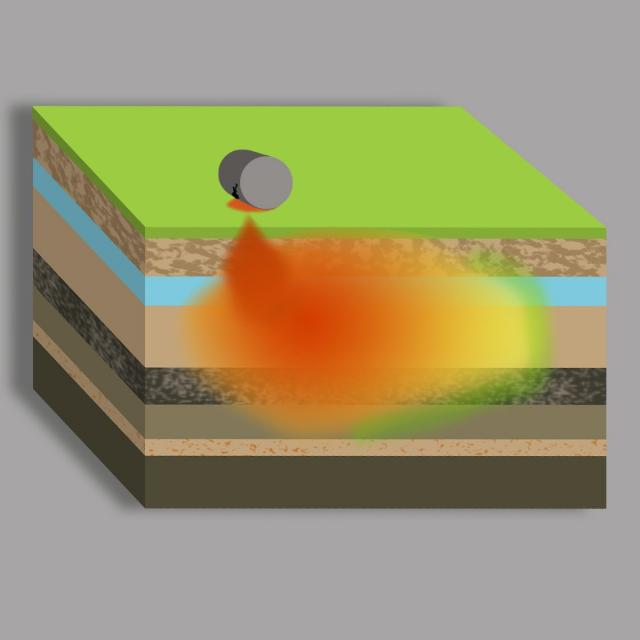
This module explores the importance of environmental science, the water pollution problems, and how cycling of matter takes place.

WEEK 2
Module 2: Biodiversity, Systems, and Feedback
This module gives an overview of the three different levels of biodiversity (genetic, species, ecosystem) and explores concepts such as system, system analysis, MRT, and positive and negative feedback loop.

WEEK 3
Module 3: Global Cycles
This module explores the carbon, nitrogen, and hydrogen cycles and analyzes a local environmental problem.

WEEK 4
Module 4: Basics of Global Change
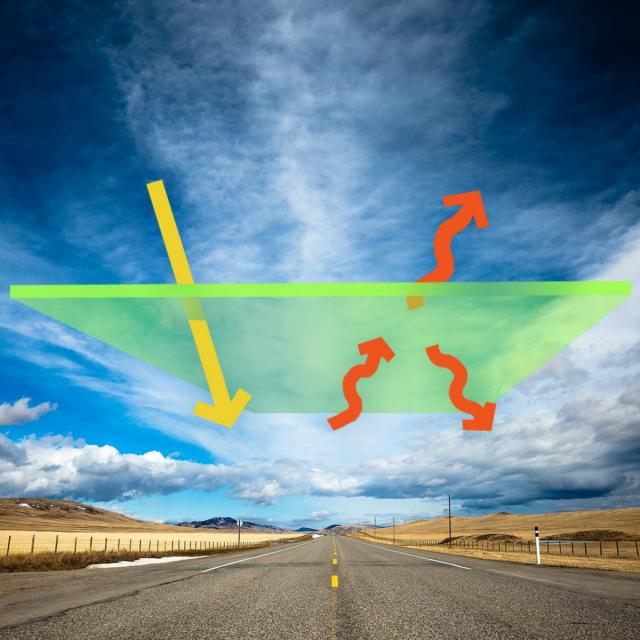
This module explores global climate change and global warming. It also examines how solar radiation and greenhouse gasses warm our planet.

Go to Class
MOOC List is learner-supported. When you buy through links on our site, we may earn an affiliate commission.

Related Courses

Algae Biotechnology (Coursera) Coursera
University of California, San Diego

Algae Biotechnology (Coursera)

For decades, researchers have been studying microalgae to understand their biological functions and how we can use technology to harness algae’s power to create a wide range of commercial products. In this course, we will cover how synthetic biology, genetic engineering, and metabolic engineering is used in algae biotechnology, and also examine the current state of algae biotechnology research and tools. We’ll also explore some of the common bio-products we can make from algae, and take a look at some real-world algae companies that are using algae biotechnology to create products consumers can buy today.

Jun 22nd 2026
5-12 Weeks
Introduction to Sustainability (Coursera) Coursera
University of Illinois at Urbana-Champaign

Introduction to Sustainability (Coursera)

This course introduces the academic approach of Sustainability and explores how today’s human societies can endure in the face of global change, ecosystem degradation and resource limitations. The course focuses on key knowledge areas of sustainability theory and practice, including population, ecosystems, global change, energy, agriculture, water, environmental economics and policy, ethics, and cultural history.

Jun 8th 2026
5-12 Weeks
Planning for Climate Change in African Cities (Coursera) Coursera
Erasmus University Rotterdam,United Cities and Local Governments of Africa,African Local Government Academy,Institute for Housing and Urban Development

Planning for Climate Change in African Cities (Coursera)

Climate change poses a threat to economic growth and long-term prosperity of many countries around the world. Africa is not an exception, considering the actual and potential impacts of climate change and climate variability that will threaten its vulnerable sectors and human populations. African countries are projected to experience changing rainfall patterns, rising sea levels, and higher temperatures that will affect food security, agricultural production, water availability, and public health, among others. These climate change impacts and climate variability can further produce social and political problems, such as rural-urban migration and water resource disputes.

Jun 22nd 2026
5-12 Weeks
Modelo de Ecossistema com Insight Maker (Coursera) Coursera
Coursera Project Network

Modelo de Ecossistema com Insight Maker (Coursera)

Neste curso baseado em projeto de 1 hora de duração, você criará um modelo que simula a dinâmica de três populações de espécies diferentes em um ambiente: formigas, tamanduás-bandeira e lobos-guará. Durante a criação de tal modelo você será apresentado ao Insight Maker, um ambiente de simulação online gratuito que permite diferentes tipos de modelagem como modelagem de sistemas dinâmicos e baseada em agente.

Jun 22nd 2026
Self-Paced
Indigenous Religions & Ecology (Coursera) Coursera
Yale University

Indigenous Religions & Ecology (Coursera)

At first glance the fields of religion and ecology may seem and unlikely pairing, but a deeper consideration reveals the two have a great deal to contribute to one another and are indeed inextricably linked. Religions recognize the unity and interdependence of humans with nature. Ecological sciences affirm this deep interconnection with the natural world. This partnership can inspire work for the wellbeing of the Earth community

Jun 22nd 2026
5-12 Weeks
A Circular Economy of Metals: Towards a Sustainable Societal Metabolism (Coursera) Coursera
Leiden University

A Circular Economy of Metals: Towards a Sustainable Societal Metabolism (Coursera)

Metals are present everywhere around us and are one of the major materials upon which our economies are built. Economic development is deeply coupled with the use of metals. During the 20th century the variety of metal applications in society grew rapidly. In addition to mass applications such as steel in buildings and aluminium in planes, more and more different metals are in use for innovative technologies such as the use of the specialty metal indium in LCD screens. A lot of metals will be needed in the future. It will not be easy to provide them. In particular in emerging economies, but also in industrialized countries, the demand for metals is increasing rapidly. Mining and production activities expand, and with that also the environmental consequences of metal production. In this course, we will explore those consequences and we will also explore options to move towards a more sustainable system of metals production and use.

Jun 15th 2026
5-12 Weeks
Introduction to Biology: Biodiversity (Coursera) Coursera
Rice University

Introduction to Biology: Biodiversity (Coursera)

In this course we will examine the incredible variety of life that inhabits this planet including microorganisms, plants, and animals. For each of the major groups we’ll learn about their characteristics, functions, and how they came into existence as well as some of the roles they play in the natural world, and how they’re relevant to people. We’ll also take a close look at us humans and consider what we know about our origins and what might become of us in the future.

Jun 22nd 2026
5-12 Weeks
Climate Change and Water in Mountains: A Global Concern (Coursera) Coursera
University of Geneva

Climate Change and Water in Mountains: A Global Concern (Coursera)

What is climate change? How are mountain regions affected by the evolution of water resources and their uses? What kind of risks need to be considered? Mountains are recognized as particularly sensitive physical environments where intense and rapid changes have in the past, and may increasingly in the future, place pressure on their resource base.

Jun 15th 2026
5-12 Weeks
Renewable Energy: Fundamentals and Job Opportunities (Coursera) Coursera
University at Buffalo

Renewable Energy: Fundamentals and Job Opportunities (Coursera)

This course prepares you to recognize the complexities and nuances of different renewable energy solutions, as well as relevant career opportunities (both technical occupations and roles not typically associated with clean energy). Learners are immersed in discussions about green energy technologies, the impact of sustainability on society, energy consumption in the United States and conservation. Topics include: tenets of green building design and construction, solar energy conversion through photovoltaic cells, wind turbine site selection and design, and nanotechnology applications in clean energy.

Jun 15th 2026
5-12 Weeks