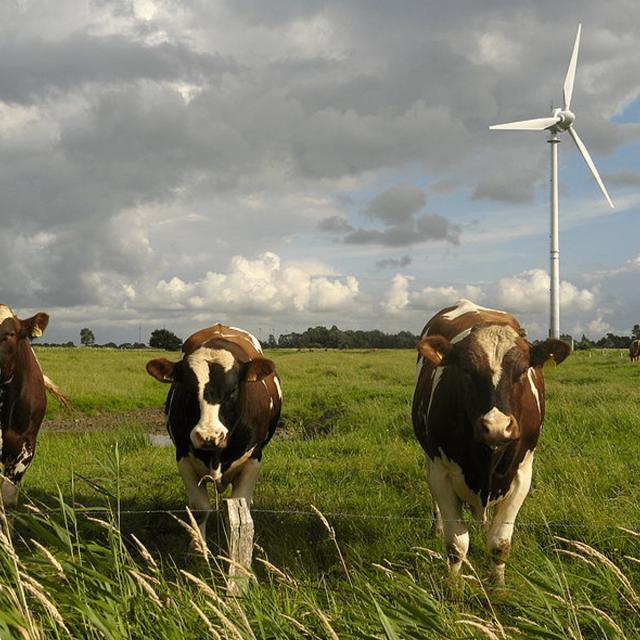
This course deals with both renewable and non-renewable energy. By applying scientific principles and considering real-world examples, you will examine: 1. Non-renewable fossil fuels with a focus on coal, petroleum and natural gas and the benefits and consequences of using each. 2. Renewable fuels such as wind and solar and identify that even renewable “green” energy sources have impacts as well as benefits.
- Biodiversity and global change, which are the integrating units of environmental science.
Class Deals by MOOC List - Click here and see Coursera's Active Discounts, Deals, and Promo Codes.
Additionally, you will explore answers to the following questions:
- How do we evaluate coal, oil, and natural gas from an environmental science perspective?
- What regulates energy conversions and losses in human-built systems?
- How much energy “flows through your fingertips?”
- How do we evaluate hydro, solar, wind, and biomass from an environmental science perspective?
- How can we increase efficiency and conservation?
You also take a tour of the Dartmouth Powerplant and listen to a conversation with Dartmouth Sustainability Director, Rosi Kerr. Furthermore, you will take a field trip to a PV tracker solar system, visit a straw bale house, and have a conversation about waste vegetable oil as an energy source in India.
Course 3 of 3 in the Introduction to Environmental Science Specialization.
Syllabus
WEEK 1
Module 1: An Overview of Non-renewable Energy
This module explores some concepts related to energy such as its forms, conservation with a special stress on non-renewable energy.
WEEK 2
Module 2: Fossil Fuel and Future of Energy
This module describes how energy use and energy resources, specifically coal, oil, and natural gas, have varied over time.
WEEK 3
Module 3: The World of Renewable Energy
This module explores the patterns of renewable energy use and explains the hydro, solar, wind, and biomass energy. It also discusses how energy use can be decreased and efficiency can be increased.
WEEK 4
Module 4: Effects of Global Change
This module explores the impacts of global environmental changes including feedback loops, ocean acidification, sea level rise, and human equity issues.