Italian Classics Made Easy: Perfect Pasta al Pomodoro | Learn with Eataly (Skillshare)

Offered by Skillshare,
Italian Classics Made Easy: Perfect Pasta al Pomodoro | Learn with Eataly (Skillshare)

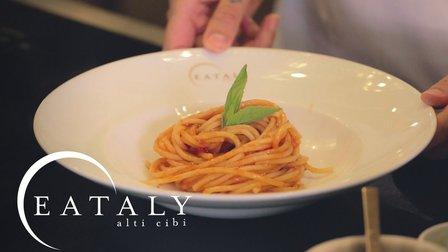
Upgrade your everyday cooking using ingredients you already have in your pantry! Throw away the box, and let Eataly's chef Nicoletta Grippo teach you the nuances and techniques for making an italian classic, Pasta al Pomodoro — a quick, light dish made with fresh tomatoes, basil, and olive oil that's perfect for all occasions.

After walking step-by-step through the recipe, she'll have you making pasta that looks and tastes like it's straight from the Italian countryside — all with just a few easy tips that will vastly improve your home cooking.

You’ll learn:

  • why dried pasta is just as good as fresh pasta (just different 'species')
  • how to cook to that perfect 'al dente' bite
  • three options for the perfect accompanying sauce
  • how to make the dish Bucatini al Pomodoro (hollow spaghetti with tomato sauce)

Chef Nicoletta also shares secrets to keeping cut garlic fresh all week long and how to plate long pasta with ease, making this easy staple even simpler (and prettier!).
Adding this foundational Italian recipe to your repertoire will ensure you always have an answer to the question, “what’s for dinner?” whether it’s a busy weeknight or you’re planning your next dinner party.
Make pasta at home and try these tips.
Share how you prepared pasta at home, and let us know what you did differently after learning Chef Nicoletta’s tips and tricks.
Upload a photo of your plated dish, or simply write a sentence or two about which tip you applied in the Project Gallery – whether that's the classic Pasta al Pomodoro, or a recipe of your own. We can’t wait to see what you make!
Top 10 Tips for Cooking Dried Pasta:

  1. Make your pasta water as salty as the sea
  2. Don’t add olive oil to the water!
  3. Keep long pasta long (never break it up)
  4. gnore the cook time on the box – test along the way and cook to your taste
  5. When in doubt, undercook your pasta for that ‘al dente’ bite
  6. Avoid rinsing your pasta in a colander (you want it to absorb the sauce)
  7. Keep your starchy pasta water on-hand after it’s cooked
  8. Heat up your sauce so it’s ready when the pasta is done
  9. Finish your pasta dish in its respective sauce
  10. Rule of thumb: add dried herbs at the beginning, fresh herbs at the end

Go to Class
MOOC List is learner-supported. When you buy through links on our site, we may earn an affiliate commission.

Related Courses

Easy Chocolate Making: All the Basics from Bean to Bar (Skillshare) Skillshare
Skillshare

Easy Chocolate Making: All the Basics from Bean to Bar (Skillshare)

Join Raaka Chocolate's Peter Gray and Nate Hodge for a decadent, 30-minute class on making your own dream chocolate bar. This short-and-sweet class is perfect for chocolate lovers who want to learn what to look for in the perfect cacao concoction, how to identify ingredients and nuanced flavors, and even how to craft homemade chocolate for you and your loved ones.

self Paced
Self-Paced
Edible Insects (Coursera) Coursera
National Taiwan University

Edible Insects (Coursera)

This English language course covers the science and sociology of insects as food and feed. Increasing media, investment, and public policy attention has been given over the years to the role insects may play in the future of food. Can eating insects really save the world from famine and environmental destruction? Are there health costs or benefits to adding insects to the diet? Will all people accept insects as food? Can we feed them to livestock? Should we be promoting edible insects at all, and if so, how best do we do it? What species will we eat and how shall we raise them?

Sep 14th 2026
4 Weeks
Chicken Behaviour and Welfare (Coursera) Coursera
University of Edinburgh

Chicken Behaviour and Welfare (Coursera)

This course explains the general principles of chicken behaviour and welfare, and the behavioural and physiological indicators that can be used to assess welfare in chickens kept in hobby flocks through to commercial farms. The focus is primarily on laying hens and meat chickens (broilers) although many of the principles are relevant to other types of poultry. The course is likely to be of interest to people who own chickens as pets or keep a small hobby flock, commercial egg and chicken meat producers, veterinarians and vet nurses.

Sep 7th 2026
5-12 Weeks
A Beginner's Guide to Baking Butter Cakes (Skillshare) Skillshare
Skillshare

A Beginner's Guide to Baking Butter Cakes (Skillshare)

Are you interested in making elaborate, sculpted cakes? Do you want some delicious recipes to add to your recipe box? Will you be making cakes to sell in the future? If you answered Yes to any or all of the above questions, then this class is for you. Butter cakes are delicious, versatile in their flavor capabilities, and sturdy enough for sculpted cakes. They possess every characteristic necessary to be the perfect all-purpose cake.

Self Paced
Self-Paced
Japanese Home Cooking - Oshi Zushi (Skillshare) Skillshare
Skillshare

Japanese Home Cooking - Oshi Zushi (Skillshare)

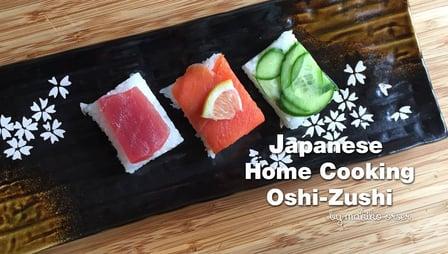
This class is for anyone who is interested in making sushi at home. Using a molding technique, you can make simple and pretty sushi dish in less than an hour. The class covers not only how to mold ingredients into sushi shape, but how to cook white rice in dutch oven, and how to prepare sushi rice. In the extra video, you can also learn how to make spicy shrimp inside out rolls.

Self Paced
Self-Paced
Child Nutrition and Cooking (Coursera) Coursera
Stanford University

Child Nutrition and Cooking (Coursera)

Eating patterns that begin in childhood affect health and well-being across the lifespan. The culture of eating has changed significantly in recent decades, especially in parts of the world where processed foods dominate our dietary intake. This course examines contemporary child nutrition and the impact of the individual decisions made by each family.

Sep 14th 2026
5-12 Weeks
Introduction to Food and Our Environment (Coursera) Coursera
Stanford University

Introduction to Food and Our Environment (Coursera)

This course is designed to help learners around the world become more sustainable eaters. Together, we’ll explore key topics, like how food production impacts the environment and why meat production and protein consumption are often at the center of the debate around sustainability. We’ll introduce the pros and cons of different kinds of agriculture, fishing and food packaging, with a focus on how we can make more environmentally friendly decisions on a daily basis. We’ll also look ahead and explore some of the technology innovations that could become increasingly important as we look at the future of food for a growing global population.

Aug 31st 2026
4 Weeks