EdX

Arte indígena contemporáneo (edX)

Arte indígena contemporáneo (edX)

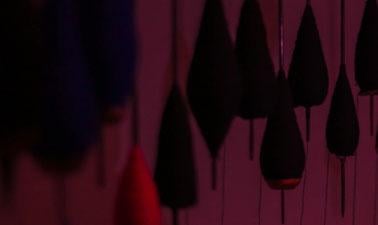
Aprende y reflexiona sobre las experiencias estéticas culturales desde el quehacer artístico y social de los pueblos indígenas, a través un diálogo entre la contemporaneidad y el pensamiento ancestral indígena.

Class Deals by MOOC List - Click here and see EdX's Active Discounts, Deals, and Promo Codes.

Ante el intento de homogeneización cultural que nos impone el sistema colonial en el que estamos inmersos, se generó en América, desde hace más de medio siglo, la tendencia a mirar con un fuerte interés a los pueblos indígenas, sus costumbres, culturas, creencias y prácticas, en vía de rastrear identidades y comprender el mundo a través de los ojos de “los otros”.
Los pueblos originarios empezaron a pensarse entonces, como un referente cultural, pues tienen sobre la sociedad, una firme influencia en toda clase de expresión artística así como en las prácticas de su cotidianidad en general. Sin embargo, las concepciones alrededor del arte indígena en Latinoamérica han sido y son, de manera constante, asociadas a la idea de lo prehispánico, creando un imaginario equívoco de que su producción se inscribe solamente en ese momento histórico, y que los ejercicios artísticos modernos y contemporáneos son sólo representaciones o reproducciones de ese arte “tradicional”.
Es por eso que este curso busca crear un espacio de reflexión desde el campo de las artes, teniendo como punto de partida el diálogo entre lo contemporáneo y lo ancestral, indagando en temas tan antiguos como actuales tales como la identidad, la resistencia, el género, el ritual y el cuerpo. Todo esto, a través de la creación y experimentación plástica, así como del recorrido por las prácticas artísticas de diferentes artistas invitados y de Julieth Morales, artista y mujer indígena perteneciente a la comunidad indígena Misak, autora de este curso.
Para finalizar, conoceremos una de las prácticas ancestrales que existe en las comunidades Misak y Nasa: el “ Hilar ”, un ejercicio cotidiano básico en la creación de la indumentaria indígena. Incluirnos en esta práctica nos permitirá llevar este ejercicio al plano de la reflexión, donde podremos identificar algunas de las prácticas significativas de los pueblos originarios y conectarlas a las experiencias personales de los participantes.

What you'll learn

  • Evidenciar los procesos de construcción de la identidad indígena contemporánea a través del quehacer artístico/plástico.
  • Reflexionar en torno a los conceptos de identidad, resistencia, género, ritual y cuerpo desde la perspectiva Misak.
  • Comprender mediante una perspectiva crítica, el proceso de construcción de la identidad femenina dentro de la comunidad Misak, en relación con la contemporaneidad.
  • Conocer la práctica del hilar y generar una reflexión alrededor de ésta, a partir de la cosmovisión de las comunidades Nasa y Misak

Syllabus

Sección 1. Construcción de la identidad indígena
● Arte indígena contemporáneo
● Artistas colombianos
● Manifestaciones artísticas en el Cauca
Sección 2. Consideraciones acerca del pensamiento e identidad indígena
● Identidad
● Resistencia
● Pensamiento indígena
Sección 3. Identidad femenina Misak
● Género en las comunidades indígenas
● A través del ritual
Sección 4. Hilando el pensamiento
● Significados del hilar
● Ejercicio de creación
Go to Class
MOOC List is learner-supported. When you buy through links on our site, we may earn an affiliate commission.

Related Courses

New Zealand History, Culture and Conflict: A Museum Perspective (FutureLearn) FutureLearn
Museum of New Zealand Te Papa Tongarewa

New Zealand History, Culture and Conflict: A Museum Perspective (FutureLearn)

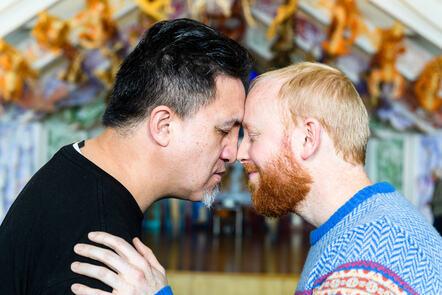
Discover the social history of Aotearoa New Zealand, learning how the country’s bicultural national consciousness was formed. Identify the factors that have contributed to New Zealand’s cultural identity. New Zealand’s social history is built on a foundation of exploration and colonial conflict. On this three-week course, you’ll access artefacts, treasures, and exhibitions within Te Papa Tongarewa’s collections to discover how New Zealand culture has evolved over time, identifying key historical moments that have impacted the formation of a national identity.

Self Paced
3 Weeks
First Nights - Stravinsky’s Rite of Spring: Modernism, Ballet, and Riots (edX) EdX
HarvardX,Harvard University

First Nights - Stravinsky’s Rite of Spring: Modernism, Ballet, and Riots (edX)

Learn the fascinating history of Igor Stravinsky’s The Rite of Spring, one of the most challenging and rewarding ballets ever written. Igor Stravinsky’s The Rite of Spring premiered in Paris in 1913, sparking a riot and screaming so loud that the dancers could not hear the orchestra, and the choreographer had to shout numbers from backstage to keep the dancers on beat.

Self Paced
Self-Paced
Budgeting and Finance for Public Libraries (edX) EdX
University of Michigan,MichiganX

Budgeting and Finance for Public Libraries (edX)

Understand financial concepts as well as well as effective practices in budgeting and auditing for library managers at all levels. Money isn’t generally the first topic that comes to mind when thinking about libraries, however it is a critical resource that touches every aspect of the organization. Whether you are an aspiring manager or a library director, it is important that your organization’s finances are aligned with your service goals and priorities.

Self Paced
Self-Paced
Solving Sustainability Challenges with Te Ao Māori (Māori World View) (FutureLearn) FutureLearn
Te Pūkenga – New Zealand Institute of Skills and Technology,Wintec

Solving Sustainability Challenges with Te Ao Māori (Māori World View) (FutureLearn)

Explore the principles of a Māori world view and how indigenous perspectives can help enrich sustainability practices. Understand the value of Te Ao Māori. Learning from other cultures gives you the opportunity to question your own assumptions about how the world works. It’s also a chance to draw on knowledge and values that have been validated by generations of practice. On this four-week course, you’ll explore the Te Ao Māori (Māori world view) to understand how to approach sustainability issues through a different lens.

Jun 27th 2022
3 Weeks
Climate change and Indigenous People and local communities (Coursera) Coursera
Universitat Autònoma de Barcelona

Climate change and Indigenous People and local communities (Coursera)

Climate change is a global phenomenon, but its impacts vary among different social groups, who perceive and adapt to climate change impacts in different ways. In this course, you will: a) understand the different debates around climate change impacts on Indigenous Peoples and local communities (IPLC); b) familiarize yourself with different impacts of climate change on IPLC, with the IPLC understanding of climate change impacts and with their strategies to adapt to climate change; and c) learn about different strategies to incorporate Indigenous peoples and local communities in climate change research and policy.

Aug 3rd 2026
5-12 Weeks
Sexing the Canvas: Art and Gender (Coursera) Coursera
University of Melbourne

Sexing the Canvas: Art and Gender (Coursera)

What do paintings tell us about sex? How is art gendered? In this course we will study some of the world’s most beloved pictures guided by expert curators and art historians who step outside of the square, bringing a gendered reading to the masterpieces contained in the magnificent collections that we have been lucky enough to bring to the Coursera platform.

Oct 24th 2022
5-12 Weeks
First Nights: Monteverdi’s L’Orfeo and the Birth of Opera (edX) EdX
HarvardX,Harvard University

First Nights: Monteverdi’s L’Orfeo and the Birth of Opera (edX)

Learn about Claudio Monteverdi’s L’Orfeo, one of the first operas ever written. Claudio Monteverdi’s L’Orfeo premiered in Mantua in 1607, and continues to be regarded as one of the most important examples of early opera. With L’Orfeo, Monteverdi helped to establish the techniques and traditions that continue to inform the genre of opera to this day.

Self Paced
Self-Paced
One Health: A Ten-Thousand-Year-Old View into the Future (edX) EdX
University of Alaska Fairbanks,AlaskaX

One Health: A Ten-Thousand-Year-Old View into the Future (edX)

Explore the connectedness of people, animals, and the environment through this unique approach to One Health that connects traditional ways of knowing with the natural and social sciences. Combine Western and Indigenous knowledge to form a holistic understanding of the future of life in the Circumpolar North.

Self Paced
Self-Paced
Reconciliation Through Indigenous Education (edX) EdX
The University of British Columbia,UBCx

Reconciliation Through Indigenous Education (edX)

Advancing reconciliation in classrooms, organizations, and communities through the teaching and learning of Indigenous ways of knowing. This course will help you envision how Indigenous histories, perspectives, worldviews, and approaches to learning can be made part of the work we do in classrooms, organizations, communities, and our everyday experiences in ways that are thoughtful and respectful.

Jan 30th 2024
5-12 Weeks
Identifying Community Needs for Public Library Management (edX) EdX
University of Michigan,MichiganX

Identifying Community Needs for Public Library Management (edX)

Learn how to conduct research, surveys, and interviews as well as how to analyze data to better assess the local needs and wants of a public library community. Public libraries are becoming dynamic hubs for learning, civic engagement, and community. This course will discuss strategies for gathering statistical and descriptive data about public library communities. Learners will identify local partners in education, social services, government agencies, and more.

Self Paced
Self-Paced
Global China: From the Mongols to the Ming (edX) EdX
HarvardX,Harvard University

Global China: From the Mongols to the Ming (edX)

Explore the impact of the conquest dynasties and the world of the Ming. In the 13th century, by force of arms, the Mongols created the greatest empire in human history. Yet by the end of the Ming dynasty in the late 16th century, a new global economy emerged. New World silver brought together the Americas, Europe, and East Asia, and the intellectuals of East and West began to speak to each other directly.

Self Paced
Self-Paced