EdX

Interpreting Vernacular Architecture in Asia (edX)

Interpreting Vernacular Architecture in Asia (edX)

Discover the value of local peoples' traditional built environments in Asia, find inspiration in these buildings, and learn how to conserve them for future generations. This course is about architecture. But it’s not about grand structures such as monuments or royal palaces. Rather, it is about the built environment that the ordinary people live in. Instead of the architectural techniques, we use stories to understand the processes through which people make their building decisions.

Class Deals by MOOC List - Click here and see EdX's Active Discounts, Deals, and Promo Codes.

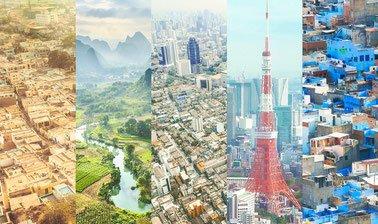
We use Asia as the backdrop for the discussion of these topics. Partly because of Asia’s rich heritage and diversity, but also due to the unique complexity that the people in the region face as they go through rapid economic, social, and cultural changes.

In this examination of the connection between vernacular buildings and peoples' cultural identities, we will review real-world examples and talk to experts in the field. At the end of this course, you will gain a unique perspective about the everyday environment that you live in - one perhaps that you’ve never had before. You will begin to understand and appreciate the value of the ordinary built environment around you.
Whether you are an avid architect or you simply just care about the built environment you live in, this course is for you.

What you'll learn
Throughout the course, we will examine a wide range of topics, such as:

  • what is vernacular architecture
  • how climate and the availability of building materials influence building decisions

-vernacular architecture in rural and urban settings
-cultural sustainability and the conservation of the vernacular built environment.

Syllabus

Week 1: Interpreting the Vernacular
A relatively new field of study, vernacular architecture does not yet have a commonly-agreed definition. This first week we examine several definitions of vernacular architecture and discuss why the topic is especially pertinent in the context of Asia. Alongside the expert discussions and examples, we further discuss the notion that culture is a form of tradition and connect it with Asia’s vernacular architecture.

Week 2: Climate, Building Materials, and the Vernacular
Vernacular buildings are local and very much influenced by local factors, two of which are climate and local building materials. This week we study how the eight major climatic belts influence people’s building decisions. We also look at how people make use of locally available materials, and how construction methods and building rituals are passed from one generation to the next.

Week 3: Vernacular Landscapes and the Rural Built Environment
This week we talk about the vernacular landscape. We define what it is, the meaning of it, and through the lens of the rural vernacular environment, we appreciate the seemingly un-self-conscious process of building that is indeed timeless.

Week 4: The Urban Vernacular
This week we focus on cities, or the urban vernacular. We discuss the process through which the urban vernacular is built, we also delve deep into topics such as sense of place, types of urban vernacular buildings, and how the urban vernacular evolves over time.

Week 5: Informal Settlements
Have you ever paid any attention to the slum areas in cities? Why do they exist? Are they of any significance or vernacular value to people and society? Termed informal settlements, we look at these built environments in cities through economic, cultural, and social lenses, and connect this unique type of urban vernacular with the future of cities.

Week 6: Sustainable Conservation and the future of Asia’s Vernacular Architecture
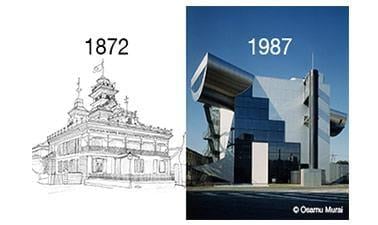
In this concluding week, we differentiate conservation from preservation and discuss the challenges and approaches to conservation of Asia’s vernacular built environment. We also discuss the future of vernacular architecture in Asia by contrasting tradition and modernity, and by asking the question of how they can coexist. We argue that the best way to ensure the continuation of the built heritage in Asia is to view vernacular architecture as a living tradition that evolves with time but without losing its cultural value.

Go to Class
MOOC List is learner-supported. When you buy through links on our site, we may earn an affiliate commission.

Related Courses

Marketing Internacional en Asia (Coursera) Coursera
Yonsei University

Marketing Internacional en Asia (Coursera)

Este curso ha sido desarrollado especialmente para gerentes y estudiantes que desean tener éxito como especialistas de marketing en la región asiática. Asia ha experimentado la mayor cantidad de crecimiento en la economía global en los últimos años. Aunque muchas compañías de otras regiones se han beneficiado de entrar al mercado asiático, en un sentido comparativo, esto ha sido menos cierto para las empresas latinoamericanas.

May 25th 2026
4 Weeks
A Global History of Architecture (edX) EdX
MIT,MITx

A Global History of Architecture (edX)

Learn about humanity’s rich architectural history on this journey around the globe – from 100,000 BCE to ca. 1,600 CE. How do we understand architecture? One way of answering this question is by looking through the lens of history, beginning with First Societies and extending to the 16th century. This course in architectural history is not intended as a linear narrative, but rather aims to provide a more global view, by focusing on different architectural "moments."

Oct 18th 2023
5-12 Weeks
Railway History: The Rise of the Railway Station (FutureLearn) FutureLearn
University of Strathclyde

Railway History: The Rise of the Railway Station (FutureLearn)

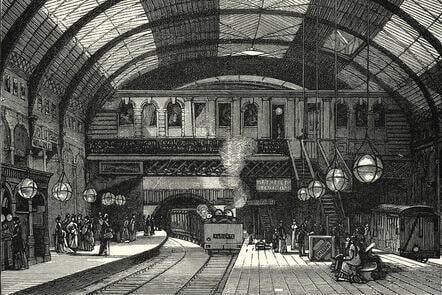
Gain a unique insight into British history as you explore the heritage and uses of railway stations from the 19th century to now. Go behind the scenes of York Railway Museum with the University of Strathclyde. Railway stations are an integral part of British history, helping to shape the economy and Britain’s built environment. On this four-week course, you’ll discover the heritage of railway stations and their significance in British history and culture.

May 1st 2023
4 Weeks
Architecting and Installing the Apigee Hybrid API Platform (Coursera) Coursera
Google Cloud

Architecting and Installing the Apigee Hybrid API Platform (Coursera)

This course introduces you to the fundamentals and practices used to install and manage Google Cloud's Apigee API Platform for hybrid cloud. Through a combination of lectures, hands-on labs, and supplemental materials, you will learn how to install and operate the Apigee API Platform. What you will learn: develop a good understanding of Apigee hybrid architecture; understand the Apigee hybrid terminology and organizational model; learn how to install and operate the hybrid platform.

Jun 1st 2026
2 Weeks
Vernacular Architecture of Asia: Tradition, Modernity and Cultural Sustainability (edX) EdX
University of Hong Kong,HKUx

Vernacular Architecture of Asia: Tradition, Modernity and Cultural Sustainability (edX)

Learn about built environments in Asia and how we can better conserve and sustain vernacular architecture in the future. How do we deal with the challenges and threats to vernacular architecture and make sure that it is sustained in this modern urbanized world? This is the key question we will try to answer in this course.

No sessions available
5-12 Weeks
The Architectural Imagination (edX) EdX
HarvardX,Harvard University

The Architectural Imagination (edX)

Learn fundamental principles of architecture — as an academic subject or a professional career — by studying some of history’s most important buildings. Architecture engages a culture’s deepest social values and expresses them in material, aesthetic form. This course will teach you how to understand architecture as both cultural expression and technical achievement. Vivid analyses of exemplary buildings, and hands-on exercises in drawing and modeling, will bring you closer to the work of architects and historians.

Self Paced
Self-Paced
The Meaning of Rome: The Renaissance and Baroque City (edX) EdX
University of Notre Dame,NotreDameX

The Meaning of Rome: The Renaissance and Baroque City (edX)

Learn how the art, architecture, and urban form of Renaissance and Baroque Rome projected the city’s image of itself to its citizens and the world. We can read a city in a number of ways: in its plan, in the buildings that make its streets and public spaces, in the skyline. We can ask, what are the buildings or spaces saying? How do they say it? How does it all stitch together?

No sessions available
5-12 Weeks