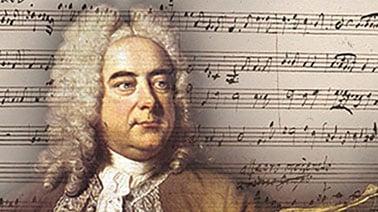
Discover Handel’s Messiah in this installment of First Nights, which will explore five masterpieces of western music. While Italian opera set the standard in the Baroque era, German composer George Frederic Handel quickly gained popularity for his oratorios, which put operatic techniques to work in the service of sacred music.
Class Deals by MOOC List - Click here and see EdX's Active Discounts, Deals, and Promo Codes.
Handel’s Messiah premiered in Dublin on April 13, 1742, and remains popular to this day. Harvard’s Thomas Forrest Kelly (Morton B. Knafel Professor of Music) guides learners through Messiah's musical highlights, while detailing Handel’s composition process, the preparations and rehearsals, and the premiere performance.
Learners in this module of First Nights need not have any prior musical experience. In this unit, you will learn the basics of musical form and analysis, the genres and styles used in Messiah, the circumstances of its first performance, and its subsequent history.
Additional First Nights Modules:
- First Nights: Monteverdi’s L’Orfeo and the Birth of Opera
- First Nights: Handel’s Messiah and Baroque Oratorio
- First Nights - Beethoven's 9th Symphony and the 19th Century Orchestra
- First Nights: Berlioz’s Symphonie Fantastique and Program Music in the 19th Century
- First Nights: Igor Stravinsky’s The Rite of Spring: Modernism, Ballet, and Riots
This course is part of the Classical Works XSeries.
What you'll learn:
- Get to know some wonderful music
- Identify genres and subgenres of 18th-century opera and oratorio
- Understand text-music relationships in the Baroque period
- Distinguish basic aspects of musical texture and musical form
- Appreciate cultural context and performance circumstances of Handel’s Messiah