EdX

First Nights: Berlioz’s Symphonie Fantastique and Program Music in the 19th Century (edX)

First Nights: Berlioz’s Symphonie Fantastique and Program Music in the 19th Century (edX)

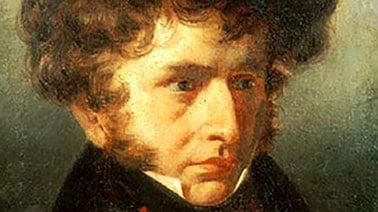
Learn about Hector Berlioz’s Symphonie Fantastique, an iconic Romantic symphony that ushered in an era of narrative “program music.” Six years after the premiere of Beethoven’s monumental Ninth Symphony, composer Hector Berlioz sought to make use of the symphonic genre, but on his own terms. Indeed, he wrote not only a five-movement symphony, but also a narrative program to accompany and explain the symphony.

Class Deals by MOOC List - Click here and see EdX's Active Discounts, Deals, and Promo Codes.

This music course introduces students to the music and programmatic elements of Berlioz’s Symphonie Fantastique, illuminating a new direction for nineteenth-century music. The course’s grand finale is a live performance of the entire symphony by the Harvard Radcliffe Orchestra.
Harvard’s Thomas Forrest Kelly (Morton B. Knafel Professor of Music) guides learners through Berlioz’s Symphony Fantastique, highlighting Berlioz’s compostional process, his innovative orchestration, and the reception of his controversial piece of narrative instrumental music.

You will learn the basics of Romantic musical style, Berlioz’s creative expansion of the standard orchestra, and the debates surrounding the idea of purely musical narrative in the 19th century.
Additional First Nights Modules:

This course is part of the Classical Works XSeries.

What you'll learn:

  • Stylistic features of Romantic music, including program music
  • Technical details of composition and orchestration in the 19th century
  • Appreciate cultural context and performance circumstances of Berlioz’s Symphonie Fantastique
Go to Class
MOOC List is learner-supported. When you buy through links on our site, we may earn an affiliate commission.

Related Courses

Jazz Improvisation (Coursera) Coursera
Berklee College of Music

Jazz Improvisation (Coursera)

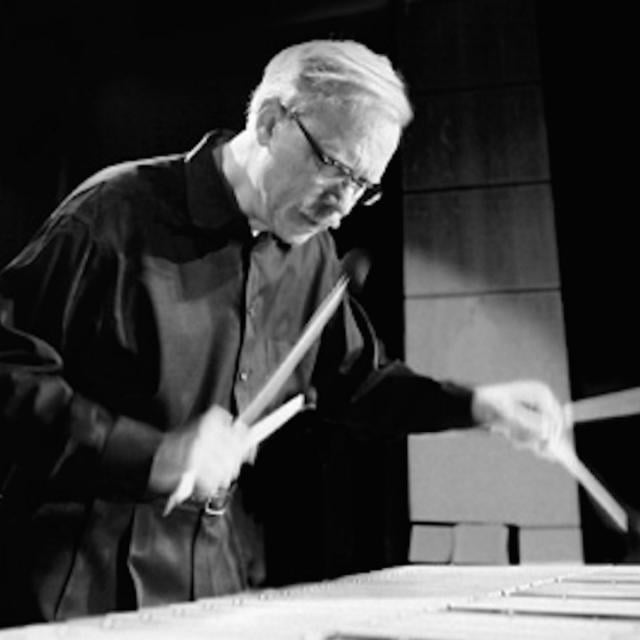
Learn the basic concepts of improvisation from Gary Burton, one of the most renowned improvisers in the jazz world, including the mental, melodic, and harmonic processes that contribute to the instinctive skills that an improviser puts to use when taking a solo. While many people are fans of jazz and understand that musicians are often “making up” the notes they are playing during a performance, most people—often including musicians, themselves, who are beginning to learn improvising—aren’t clear about what exact processes take place to enable this to happen. The purpose of this course is to introduce the basic concepts of modern improvisation and how to go about mastering the different musical and mental skills involved.

Nov 2nd 2026
5-12 Weeks
Developing Your Musicianship (Coursera) Coursera
Berklee College of Music

Developing Your Musicianship (Coursera)

Learn the basic concepts and approaches needed to understand, create, and perform contemporary music. If you have a passion for music and are curious about how it works, or if you are a musician who learned to play by ear without formal study, this course will provide you with an engaging introduction to key concepts and approaches needed to understand, create, and perform contemporary music. Taught by Berklee College of Music professor George W. Russell, Jr., the course includes six lessons that delve into harmony and ear training—two areas of intensive focus for every entering Berklee student.

Nov 2nd 2026
5-12 Weeks
Crear música con tecnología (edX) EdX
Berklee College of Music,BerkleeX

Crear música con tecnología (edX)

Aprende sobre el proceso de producción de música y tecnología musical -incluyendo la grabación, la edición y la mezcla- y sobre las herramientas disponibles para crear música contemporánea en tu computadora. El curso de producción musical comenzará con algo de información sobre la naturaleza del sonido y la forma en la que lo percibimos.

Self Paced
Self-Paced
Vocal Recording Technology (edX) EdX
Berklee College of Music,BerkleeX

Vocal Recording Technology (edX)

Explore emerging innovations in vocal production, audio engineering, recording, and mixing. We are in the midst of an explosion of musical creativity as a result of technologies that allow you to record music using your laptop or tablet. Whether you are a singer, music producer, audio engineer, or just someone that likes to make good music with vocals, it is essential to have an understanding of vocal technologies for music production.

Self Paced
Self-Paced
AP® English Literature & Composition – Part 2: Poems (edX) EdX
University of California, Berkeley,BerkeleyX

AP® English Literature & Composition – Part 2: Poems (edX)

Learn how to read and interpret poetry and enhance your reading and writing skills in preparation for the AP® English Literature & Composition exam. This course prepares you to read more deeply and write more clearly about works of literature. Through an engaging collection of videos, authentic readings, and support material from a variety of sources, you will learn to appreciate literature from different genres. You will learn about different genres of poetry and the history of some of our greatest poets.

Self Paced
Self-Paced
Creación musical con Soundcool: Introducción (edX) EdX
Universitat Politècnica de València,UPValenciaX

Creación musical con Soundcool: Introducción (edX)

Aprende los conceptos básicos para poder usar el sistema Soundcool para educación musical y creación colaborativa mediante móviles, tablets y Kinect. En este curso en línea de música aprenderás los conceptos básicos para poder usar el sistema Soundcool para educación musical y creación colaborativa mediante móviles, tablets y Kinect.

Self Paced
Self-Paced
Music and Social Action (Coursera) Coursera
Yale University

Music and Social Action (Coursera)

What is a musician’s response to the condition of the world? Do musicians have an obligation and an opportunity to serve the needs of the world with their musicianship? At a time of crisis for the classical music profession, with a changing commercial landscape, a shrinking audience base, and a contraction in the number of professional orchestras, how does a young musician construct a career today? Are we looking at a dying art form or a moment of reinvigoration?

Nov 2nd 2026
5-12 Weeks
Artistic Research in Music – an Introduction (edX) EdX
KU Leuven University,KULeuvenX

Artistic Research in Music – an Introduction (edX)

Learn about the topics, issues, and approaches of artistic research in music – research in and through musical practice - vital to today’s musicians and music culture. Artistic research (AR) is one of the most vibrant areas of creative thought in music – in the academic and professional worlds, but also among artists of all kinds who want to develop their practice by working and thinking coherently through its implications, questions, context and potential.

Self Paced
Self-Paced
Introduction to Music Theory (edX) EdX
Berklee College of Music,BerkleeX

Introduction to Music Theory (edX)

Learn key concepts and approaches needed to understand, create, and perform contemporary music. Do you have a passion for music and want to learn more about how it works? Are you a musician who learned by ear and has no formal training? Would you like to study music but are unsure of where to begin? Then this music theory course is for you.

Self Paced
Self-Paced
First Nights: Monteverdi’s L’Orfeo and the Birth of Opera (edX) EdX
HarvardX,Harvard University

First Nights: Monteverdi’s L’Orfeo and the Birth of Opera (edX)

Learn about Claudio Monteverdi’s L’Orfeo, one of the first operas ever written. Claudio Monteverdi’s L’Orfeo premiered in Mantua in 1607, and continues to be regarded as one of the most important examples of early opera. With L’Orfeo, Monteverdi helped to establish the techniques and traditions that continue to inform the genre of opera to this day.

Self Paced
Self-Paced
Material Behavior (Coursera) Coursera
Georgia Institute of Technology

Material Behavior (Coursera)

Have you ever wondered why ceramics are hard and brittle while metals tend to be ductile? Why some materials conduct heat or electricity while others are insulators? Why adding just a small amount of carbon to iron results in an alloy that is so much stronger than the base metal? In this course, you will learn how a material’s properties are determined by the microstructure of the material, which is in turn determined by composition and the processing that the material has undergone.

Nov 2nd 2026
5-12 Weeks