FUN

Vaccinology (FUN)

Offered by Institut Pasteur,
Vaccinology (FUN)

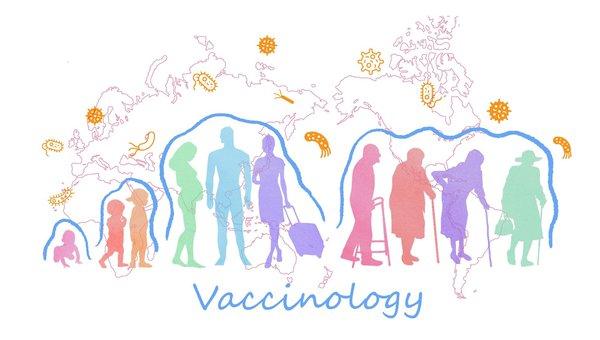
This MOOC describes the successes of vaccination in preventing diseases, as well as the remaining challenges in regard of persisting epidemics and new pandemics.

At the end of this course, you will be able to:

  • Summarize the basics of vaccinology
  • Define the clinical steps required to develop a vaccine
  • Describe the vaccines remaining to be implemented
  • Discuss how to improve the vaccine coverage
  • Explain the future challenges of vaccinology

Vaccines are among the most effective public health interventions currently available. Smallpox has been eradicated and polio has almost disappeared worldwide through global vaccine campaigns. Most of the viral and bacterial infections that traditionally affected children have been drastically reduced thanks to national immunization programs in developed countries. Together with antibiotics and clean water, vaccines have increased life expectancy in both high- and low-income countries by eliminating many of the diseases that historically killed millions. It has been estimated that vaccines will have saved ~25 million deaths over 10 yr from 2010 to 2020, which is equivalent to five lives saved per minute. In terms of cost-effectiveness, it is estimated that $1 invested in vaccination results in a $10–44 healthcare saving.
In spite of the success of vaccination in preventing disease and its cost-effectiveness, several challenges remain such as increasing the diversity of the target populations by developing vaccines efficient in pregnant women who will protect their babies at early life, and in the elderly displaying a less efficient immune system to be primed.
Besides preventing infectious diseases, a few examples of already available vaccines preventing virus-induced cancers, such as liver cancer due to the hepatitis B virus or cervical cancers due to papilloma viruses, pave the way for further development of anti-cancer vaccines. Large-scale analysis of immune responses in humans, combined with progress in identifying key antigens that induce effective immunity, will enable the development of more effective vaccines in the near future.

Course plan

Chapter 1 – Introduction to vaccinology, an integrative discipline- part 1
Chapter 2 – Introduction to vaccinology, an integrative discipline- part 2
Chapter 3 - Preclinical and clinical steps: Basic principles
Chapter 4 - Update of vaccine development for the major infectious diseases
Chapter 5 - Vaccines remaining to be developed and implemented
Chapter 6 - Future challenges
Go to Class
MOOC List is learner-supported. When you buy through links on our site, we may earn an affiliate commission.

Related Courses

Synapses, Neurons and Brains (Coursera) Coursera
Hebrew University of Jerusalem

Synapses, Neurons and Brains (Coursera)

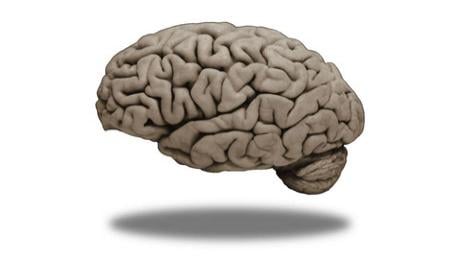
These are very unique times for brain research. The aperitif for the course will thus highlight the present “brain-excitements” worldwide. You will then become intimately acquainted with the operational principles of neuronal “life-ware” (synapses, neurons and the networks that they form) and consequently, on how neurons behave as computational microchips and how they plastically and constantly change - a process that underlies learning and memory.

Jun 29th 2026
5-12 Weeks
De l'atome à l'humain : à la racine des mots scientifiques (FUN) FUN
Université de Lorraine

De l'atome à l'humain : à la racine des mots scientifiques (FUN)

Ce cours en ligne gratuit porte donc sur l’étymologie du vocabulaire scientifique et médical. Il s’adresse aux lycéens se préparant à la PACES, aux formations paramédicales, aux études scientifiques, aux STAPS... Il s’adresse également aux étudiants de ces différentes filières, ainsi qu’à toute personne intéressée par l’étymologie.

Sep 27th 2021
4 Weeks
Understanding the Brain: The Neurobiology of Everyday Life (Coursera) Coursera
University of Chicago

Understanding the Brain: The Neurobiology of Everyday Life (Coursera)

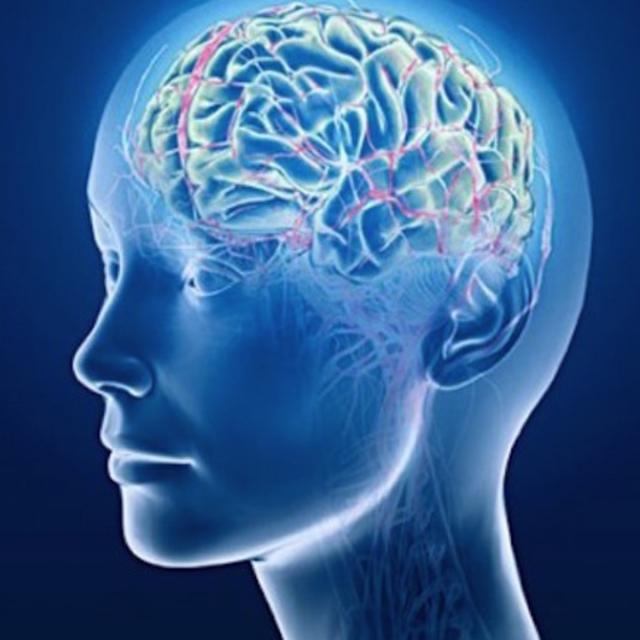
Learn how the nervous system produces behavior, how we use our brain every day, and how neuroscience can explain the common problems afflicting people today. We will study functional human neuroanatomy and neuronal communication, and then use this information to understand how we perceive the outside world, move our bodies voluntarily, stay alive, and play well with others.

Jun 29th 2026
5-12 Weeks
Health Coaching Conversations (Coursera) Coursera
Imperial College London

Health Coaching Conversations (Coursera)

Are you a healthcare practitioner or student in a healthcare field? Do you want to learn how to have more empowering conversations with your patients and support them to take control of their own health and wellbeing? Are you looking for a course to start learning these skills that also fits with your busy life? If so, this is the course for you!

Jul 1st 2026
4 Weeks
Simulation en Santé, des principes aux applications (FUN) FUN
Université Sorbonne Paris Cité

Simulation en Santé, des principes aux applications (FUN)

Le Mooc « Simulation en Santé » a pour ambition de donner à des non spécialistes un ensemble de connaissances permettant d'appréhender la simulation appliquée aux métiers de la santé, ses principes, ses outils, ses bonnes pratiques, et pour les plus motivés les premières données essentielles pour aborder un cours d’instructeur en simulation (Train the trainer program) et devenir demain formateur en simulation en santé.

No sessions available
5-12 Weeks
HIV Science (FUN) FUN
Institut Pasteur

HIV Science (FUN)

Since the start of the epidemic HIV has infected over 75 million people and provoked more than 35 million deaths. Today, although HIV replication can be controlled by antiretroviral treatment, HIV infection remains an outstanding global health issue, with 36.7 million infected people and 1 million HIV-related deaths in 2016, according to WHO. Half of the infected population does not have access to antiretroviral treatment and 2 million new infections are registered every year. In addition there is currently no cure for HIV and antiretroviral treatment needs to be maintained for life. In this MOOC we will review different aspects of HIV infection: from its biological origin and its identification as the causative agent of AIDS to the perspectives of eradication.

No sessions available
5-12 Weeks
At the heart of medical radioactivity (FUN) FUN
Université de Nantes

At the heart of medical radioactivity (FUN)

After a brief introduction on the physical basis of radioactivity, the MOOC "at the heart of medical radioactivity", will present in different stages the interest of medical radioactivity, from the design of a radiopharmaceutical to its use in the patient. The public objective of this MOOC is to demonstrate the medical use of radioactivity and its modalities.

No sessions available
5-12 Weeks
Environnement et santé : un homme sain dans un environnement sain (FUN) FUN
Université Paris Descartes

Environnement et santé : un homme sain dans un environnement sain (FUN)

Ce MOOC en toxicologie, environnement et santé aborde les principaux mécanismes d'exposition aux polluants environnementaux ainsi que les enjeux de la réglementation actuelle. La question des effets des environnements sur la santé est une préoccupation majeure. Les crises sanitaires récurrentes mettent en évidence les relations étroites entre l’homme et son environnement et les conséquences parfois dramatiques d’une mauvaise évaluation du risque sanitaire.

No sessions available
5-12 Weeks
Méditation et médecine en 2021 : éloge du care ? (FUN) FUN
Université de Paris

Méditation et médecine en 2021 : éloge du care ? (FUN)

Un parcours en 5 semaines pour Cultiver le prendre soin - S'interroger, Se nourrir, Ressentir, Respirer. Etudiantes en médecines, nous avons rencontré la méditation de pleine conscience comme une manière de rentrer en résonance, un moment avec soi, un souffle, une respiration, une manière de prendre soin de nous, pour mieux prendre soin des autres. Touchées par la vie, la mort, l’humain, l’impermanence, le doute, la peur, l'échec…Aujourd’hui femmes, médecins, nous l’avons transmis aux étudiants par l'enseignement.

Feb 5th 2022
5-12 Weeks
Tuberculosis (FUN) FUN
Institut Pasteur

Tuberculosis (FUN)

To provide an up-to-date overview of the disease, the Institut Pasteur has created a MOOC dedicated to Tuberculosis. This course will provide a knowledge base that goes from the basics of TB to the current state of knowledge on various aspects of tuberculosis: the clinical picture, epidemiology, pediatric TB, factors affecting susceptibility to the disease, including HIV, diabetes and human genetics, immunology, vaccines, diagnosis, current and future ways to detect drug resistance, and how to treat drug sensitive and multi-drug resistant strains.

Sep 7th 2021
5-12 Weeks
Innate Immunity (FUN) FUN
Institut Pasteur

Innate Immunity (FUN)

More than a century ago, Elie Metchnikoff established the bases of cellular innate immunity when he discovered the mechanism of phagocytosis. However, during most of the XXth century, adaptive immunity (also known as specific immunity) focused most of the interest of the researchers, until Charles Janeway and Polly Matzinger revisited the definition of immunology. What was called “non-specific immunity” was renamed “innate immunity”, and the understanding of the sensing of the exogenous or endogenous dangers signals, and their identification revolutionized our understanding of the early mechanism aimed to defend the integrity of the host against any type of attacks including pathogens.

Jan 14th 2022
5-12 Weeks