An Introduction to Global Health (Coursera)

An Introduction to Global Health (Coursera)

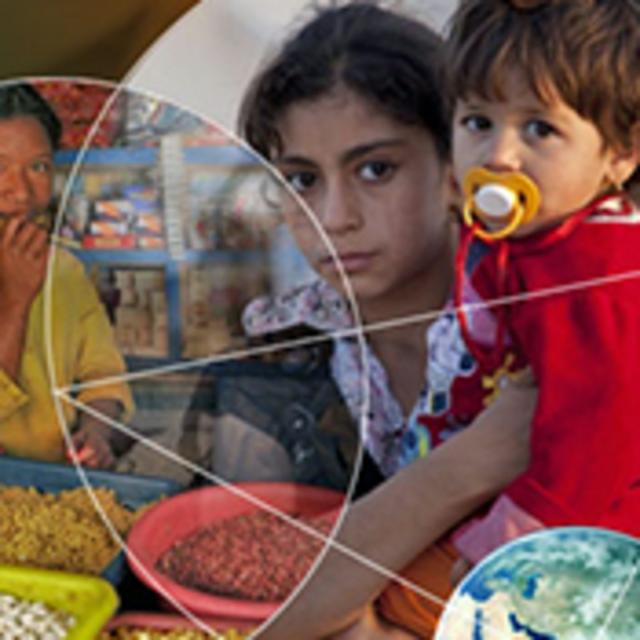
This course will provide you with an overview of the most important health challenges facing the world today. You will gain insight into how challenges have changed over time, we will discuss the likely determinants of such changes and examine future projections. Successful international strategies and programs promoting human health will be highlighted and global health governance structures will be mapped and the role of the key actors explored.

Class Deals by MOOC List - Click here and see Coursera's Active Discounts, Deals, and Promo Codes.

Syllabus

WEEK 1
Defining and Measuring Global Health
Welcome to the first module of this global health course. In the first lesson we will introduce you to the overall concepts and definitions of global health and examine the question "What is the biggest global health challenges?". You'll get to hear some answers from fellow learners from around the world, and also have an opportunity to join the conversation here in the course room. We also have an interview with Professor Susan Whyte about the impact of health policy on a populations health. The second lesson deals with the central tools needed to measure global health burden. Together these two lessons will form the basis on which all the other topical modules are built. Enjoy!

WEEK 2
Infectious Diseases
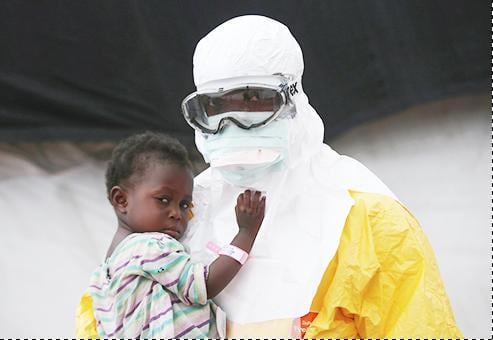
The second module of this course is focussed on infectious diseases. Lesson 3 will introduce you to the concept of infectious diseases and their relation to poverty and development, and lesson 4 will go through three prominent examples of infectious diseases that are still unfinished agendas in large parts of the world.

WEEK 3
Non-Communicable Diseases and Injuries
In the third module we'll have a closer look at non-communicable diseases, in short NCDs, and examine the forces that are behind the global epidemic rise of NCDs such as diabetes. The module also includes a lesson about mental health and injuries - two major global health challenges that are often ignored when dealing with NCDs.

WEEK 4
Maternal and Child Health
This fourth module deals with maternal and child health. The first focus will be on the important, and at times controversial, topic of sexual and reproductive health and rights, often shortened to SRHR. This is followed by a short lesson focussed on child health.

WEEK 5
Environment, Climate and Migration
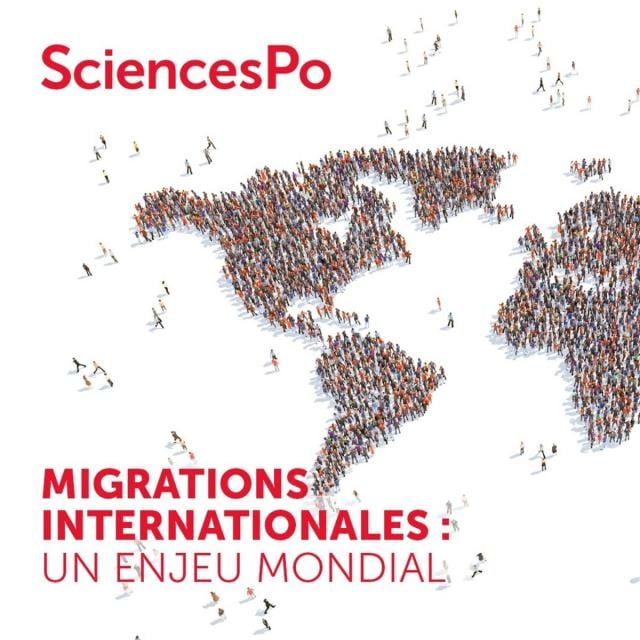
In the fifth module we are looking at some great global crises that profoundly impact the health of populations, namely environment, climate change, and migration. We will examine the health acpect of these mega trends - how are they influencing and challenging policy, health systems, and the health of individuals in both low and high income countries?

WEEK 6
Food and Water
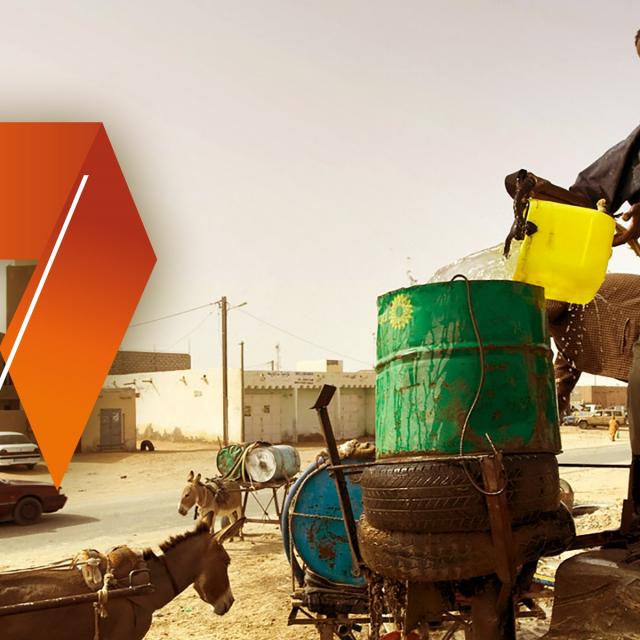
Access to nutrituous food and clean water are fundamental to health and wellbeing. In the sixth module we are focussing on the role of nutrition and water, with some extra attention to the important role of sanitation and hygiene and their relation to human development.

WEEK 7
Health Systems and Global Health Governance
In this final module of the course we will go full circle, with lessons about the role of health systems and the impact of policy. The last lesson of the course will focus on global health governance and the health aspects of the UN Sustainable Development Goals.
Go to Class
MOOC List is learner-supported. When you buy through links on our site, we may earn an affiliate commission.

Related Courses

Primeros Auxilios Psicológicos (PAP) (Coursera) Coursera
Universitat Autònoma de Barcelona

Primeros Auxilios Psicológicos (PAP) (Coursera)

Este curso on-demand (ABIERTO, se puede cursar en cualquier momento), impartido en castellano por la Universidad Autónoma de Barcelona y el Centro de Crisis de Barcelona, está destinado a entrenar en la aplicación de primeros auxilios psicológicos (PAP) a personas afectadas por situaciones altamente estresantes, abarcando tanto emergencias cotidianas (incidentes críticos estadísticamente frecuentes que afectan de manera muy intensa: un accidente de tráfico, una hospitalización, una agresión o la muerte traumática o repentina de una persona, etc.) como emergencias comunitarias y/o masivas (sucesos infrecuentes, que afectan a muchas personas o a una comunidad entera y que sobrepasan con mucho lo que sucede habitualmente en ella: una catástrofe natural, un accidente ferroviario o aéreo o un atentado).

Jun 1st 2026
5-12 Weeks
Health Coaching Conversations (Coursera) Coursera
Imperial College London

Health Coaching Conversations (Coursera)

Are you a healthcare practitioner or student in a healthcare field? Do you want to learn how to have more empowering conversations with your patients and support them to take control of their own health and wellbeing? Are you looking for a course to start learning these skills that also fits with your busy life? If so, this is the course for you!

Jun 3rd 2026
4 Weeks
Introduction to the Arctic: Climate (Coursera) Coursera
University of Alberta

Introduction to the Arctic: Climate (Coursera)

The University of Alberta, the University of Tromso and the University of the Arctic invite you to explore this four week course that examines the environment and climate of the circumpolar North. This course is the result of an international collaboration and provides you with an insight into our planet's North. Following an overview of regional geography, we will focus on the cryosphere (ice), as well as the atmosphere and ocean of the region.

Jun 1st 2026
4 Weeks
Antimicrobial resistance - theory and methods (Coursera) Coursera
Technical University of Denmark - DTU

Antimicrobial resistance - theory and methods (Coursera)

The course will cover the topics related to antimicrobial resistance with basic definitions and overview on antimicrobials their use and the emergence and spread of resistance. The course will guide you through the concepts and the importance of resistance spread and dissemination and how that happens. It will show you how bacteria become resistant and which mechanisms they might use for this. And as part of the course you will also receive some training in methods for antimicrobial susceptibility testing (AST) and detection of specific resistance in the microbiological laboratories with the basic methods available and with focus on the obtention of good quality results which can be interpreted and used for different purposes.

Jun 1st 2026
5-12 Weeks
Science of Exercise (Coursera) Coursera
University of Colorado Boulder

Science of Exercise (Coursera)

Learners who complete Science of Exercise will have an improved physiological understanding of how your body responds to exercise, and will be able to identify behaviors, choices, and environments that impact your health and training. You will explore a number of significant adjustments required by your body in order to properly respond to the physical stress of exercise, including changes in carbohydrate, fat and protein metabolism, nutritional considerations, causes of muscle soreness & fatigue, and the effectiveness and dangers of performance enhancing drugs.

Jun 1st 2026
4 Weeks
Beyond the Sustainable Development Goals (SDGs): Addressing Sustainability and Development (Coursera) Coursera
University of Michigan

Beyond the Sustainable Development Goals (SDGs): Addressing Sustainability and Development (Coursera)

We’re excited you’re here! This course, “Beyond the Sustainable Development Goals (SDGs): Addressing Sustainability and Development,” is the first course in the upcoming Sustainability and Development MasterTrack Certificate program (Fall 2020), but you can also take this course as a stand-alone learning opportunity.

Jun 3rd 2026
5-12 Weeks
Herbal Medicine (Coursera) Coursera
University of Minnesota

Herbal Medicine (Coursera)

There is strong demand for alternatives to pharmaceuticals for a variety of common illnesses due to concerns of safety, efficacy, and a desire for more “natural” products. Despite this growing interest, “conventional” healthcare providers may have little to no knowledge about herbal medicines, which is further compounded by the sometimes misleading information in the media and on the internet. This course provides the necessary background for providers to begin to incorporate herbal medicines into their practice, particularly in regards to their therapeutic properties, efficacy (or lack thereof), and safety concerns, including quality control and potential adverse effects.

Jun 3rd 2026
5-12 Weeks
Our Energy Future (Coursera) Coursera
University of California, San Diego

Our Energy Future (Coursera)

This course is designed to introduce students to the issues of energy in the 21st century – including food and fuels – which are inseparably linked – and will discuss energy production and utilization from the biology, engineering, economics, climate science, and social science perspectives. This course will cover the current production and utilization of energy, as well as the consequences of this use, examining finite fossil energy reserves, how food and energy are linked, impacts on the environment and climate, and the social and economic impacts of our present energy and food production and use.

Jun 1st 2026
5-12 Weeks
Global Health at the Human-Animal-Ecosystem Interface (Coursera) Coursera
University of Geneva

Global Health at the Human-Animal-Ecosystem Interface (Coursera)

The University of Geneva, Institute Pasteur, University of Montreal and Centre Virchow-Villermé/University Paris Descartes welcome you to this new MOOC on "Global Health at the Human-Animal-Ecosystem Interface"! Over the next 5 weeks, you will explore and learn about some of the major and current Global Health Challenges at the Human-Animal-Ecosystem Interface: zoonotic emerging infections (e.g. Ebola, Nipah, MERS, Avian Influenza), antimicrobial resistance, neglected tropical diseases (e.g. rabies, leishmaniasis, zoonotic TB), snakebite and other human-animal conflicts etc.

Jun 1st 2026
5-12 Weeks
Understanding Prostate Cancer (Coursera) Coursera
Johns Hopkins University

Understanding Prostate Cancer (Coursera)

Welcome to Understanding Prostate Cancer. My name is Ken Pienta, Professor of Urology and Oncology at the Johns Hopkins School of Medicine. I have been studying prostate cancer and treating patients with prostate cancer for over 25 years. I've put together this course in order to introduce you to the essentials of prostate cancer. This Understanding Prostate Cancer Course should be helpful to anyone who wants to develop a deeper understanding of prostate cancer biology and treatment. It should be useful to students who are interested in a deeper understanding of the science of cancer.

Jun 1st 2026
3 Weeks