Opioid Epidemic: From Evidence to Impact (Coursera)

Opioid Epidemic: From Evidence to Impact (Coursera)

While prescription opioids serve an invaluable role for the treatment of cancer pain and pain at the end of life, their overuse for acute and chronic non-cancer pain as well as the increasing availability of heroin and illicit fentanyl, have contributed to the highest rates of overdose and opioid addiction in U.S. history. Evidence-informed solutions are urgently needed to address these issues and to promote high-quality care for those with pain. This course and the report it is based on are a response to that need. They offer timely information and a path forward for all who are committed to addressing injuries and deaths associated with opioids in the United States.

Class Deals by MOOC List - Click here and see Coursera's Active Discounts, Deals, and Promo Codes.

What You Will Learn

  • Identify data sources for information about the opioid epidemic in the United States and explain general trends in opioid overdose deaths.
  • Identify ways that prescription drug monitoring programs (PDMPs) can be used to reduce the supply of prescription opioids
  • Explain why pharmacy benefit managers are relevant to opioid epidemic
  • Explain the role of prescribing guidelines, safe storage, treatment, reducing stigma, and product design in opioid epidemic

Syllabus

WEEK 1
Introduction and Data
This module reviews the data available about opioid use disorders in the United States. Information about general trends in opioid overdose, and some limitations of current data systems are discussed. This module draws from section 6 of the "The Opioid Epidemic" report (2017).
Prescription Drug Monitoring Programs (PDMPs)
This module provides an overview of Prescription Drug Monitoring Programs (PDMPs). Explanations of how PDMPs are used to reduce the supply of prescription opioids likely to be misused are discussed. A review of the research about PDMPs is also included. This module draws from section one of the "The Opioid Epidemic" report (2017).

WEEK 2
Clinical Guidelines
This module reviews prescribing guidelines as an intervention for reducing high risk opioid prescribing. A conversation between the course instructors and representatives from CDC’s National Center for Injury Prevention and Control about CDC’s Guideline for Prescribing Opioids for Chronic Pain provides insight into the process of developing and disseminating one guideline. This module aligns with section two of of the "The Opioid Epidemic" report (2017).
Pharmacy Benefit Managers
This module provides an overview of the role of pharmacy benefit managers and pharmacies in the supply of prescription opioids. Opportunities to monitor high risk prescribing through PBMs and pharmacies are also discussed. This module draws from section three of the "The Opioid Epidemic" report (2017).
Engineering Strategies
This module introduces the idea that redesigning opioid medications and the pill vials they are prescribed in is one strategy to reduce unintentional opioid poisonings and diversion. The module features a discussion of a prototype design for a pill vial engineered to dispense a specified amount of medication at programmed intervals to authorized users. This module aligns with section four of the "The Opioid Epidemic" report (2017).
Engaging Patients and the General Public
This module reviews strategies for communicating with patients and the public about opioid use disorders. Safe storage and disposal strategies are also discussed. This module draws from section five of the "The Opioid Epidemic" report (2017).

WEEK 3
Treating Opioid Use Disorders
This module discusses addiction as a disease and medication as treatment. Consideration of known risk factors for disease are also reviewed. This module aligns with section seven of the "The Opioid Epidemic" report (2017).
Naloxone
This module describes naloxone, a medication that effectively reverses an opioid overdose, and how access to naloxone has increased. The role of government agencies in disseminating naloxone prescriptions is also highlighted. This module draws from section eight of the "The Opioid Epidemic" report (2017).

WEEK 4
Harm Reduction
This module provides an overview of harm reduction in the context of opioid use disorders. Examples of harm reduction strategies are provided, and the available evidence discussed. This module aligns with section nine of the "The Opioid Epidemic" report (2017).
Stigma
This module discusses the stigma surrounding drug use and treatment. Strategies for combatting stigma by providing alternatives to stigmatizing language are discussed. This module draws from section 10 of the "The Opioid Epidemic" report (2017).

Go to Class
MOOC List is learner-supported. When you buy through links on our site, we may earn an affiliate commission.

Related Courses

Introduction to the Biology of Cancer (Coursera) Coursera
Johns Hopkins University

Introduction to the Biology of Cancer (Coursera)

Over 500,000 people in the United States and over 8 million people worldwide are dying every year from cancer. As people live longer, the incidence of cancer is rising worldwide and the disease is expected to strike over 20 million people annually by 2030. This open course is designed for people who would like to develop an understanding of cancer and how it is prevented, diagnosed, and treated.

Jun 22nd 2026
5-12 Weeks
Primeros Auxilios Psicológicos (PAP) (Coursera) Coursera
Universitat Autònoma de Barcelona

Primeros Auxilios Psicológicos (PAP) (Coursera)

Este curso on-demand (ABIERTO, se puede cursar en cualquier momento), impartido en castellano por la Universidad Autónoma de Barcelona y el Centro de Crisis de Barcelona, está destinado a entrenar en la aplicación de primeros auxilios psicológicos (PAP) a personas afectadas por situaciones altamente estresantes, abarcando tanto emergencias cotidianas (incidentes críticos estadísticamente frecuentes que afectan de manera muy intensa: un accidente de tráfico, una hospitalización, una agresión o la muerte traumática o repentina de una persona, etc.) como emergencias comunitarias y/o masivas (sucesos infrecuentes, que afectan a muchas personas o a una comunidad entera y que sobrepasan con mucho lo que sucede habitualmente en ella: una catástrofe natural, un accidente ferroviario o aéreo o un atentado).

Jun 22nd 2026
5-12 Weeks
Health for All Through Primary Health Care (Coursera) Coursera
Johns Hopkins University

Health for All Through Primary Health Care (Coursera)

This course explores why primary health care is central for achieving Health for All. It provides examples of how primary health care has been instrumental in approaching this goal in selected populations and how the principles of primary health care can guide future policies and actions. Two of the most inspiring, least understood, and most often derided terms in global health discourse are “Health for All” and “Primary Health Care.”

Jun 28th 2026
5-12 Weeks
How Music Can Change Your Life (Coursera) Coursera
University of Melbourne

How Music Can Change Your Life (Coursera)

Did you ever wonder how music works? This course provides free video, audio and journal resources that explain six basic principles about how music can influence individual and community health and wellbeing. From biology and neuroscience, to psychotherapy and politics, the ways we engage with music can make all the difference. Music has always played an integral role in the lives of individuals and communities all around the globe.

Jun 22nd 2026
5-12 Weeks
Epidemics (Coursera) Coursera
University of Hong Kong

Epidemics (Coursera)

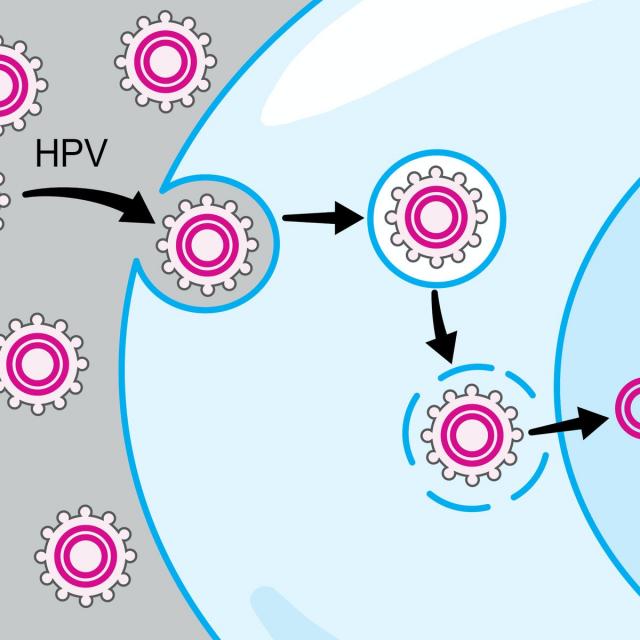
“If history is our guide, we can assume that the battle between the intellect and will of the human species and the extraordinary adaptability of microbes will be never-ending.” Despite all the remarkable technological breakthroughs that we have made over the past few decades, the threat from infectious diseases has significantly accelerated. In this course, we will learn why this is the case by looking at the fundamental scientific principles underlying epidemics and the public health actions behind their prevention and control in the 21st century.

Jun 22nd 2026
5-12 Weeks
Chemicals and Health (Coursera) Coursera
Johns Hopkins University

Chemicals and Health (Coursera)

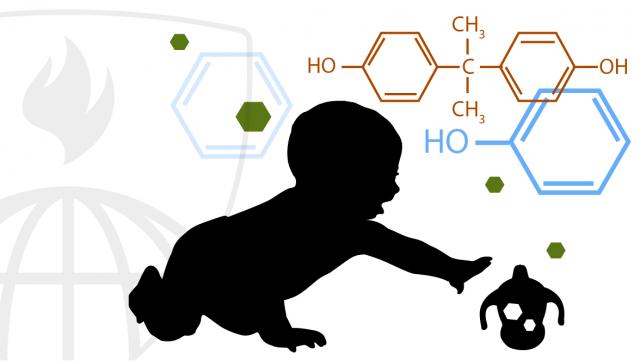
This course covers chemicals in our environment and in our bodies and how they impact our health. It addresses policies and practices related to chemicals, particularly related to how they get into our bodies (exposures), what they do when they get there (toxicology), how we measure them (biomonitoring) and their impact on our health. Most examples are drawn from the US.

Jun 22nd 2026
5-12 Weeks
Stories of Infection (Coursera) Coursera
Stanford University

Stories of Infection (Coursera)

This course introduces learners to a variety of infectious diseases using a patient-centered, story-based approach. Through illustrated, short videos, learners will follow the course of each patient’s illness, from initial presentation to resolution. Integrating the relevant microbiology, pathophysiology and immunology, this course aims to engage and entice the learner towards future studies in microbiology, immunology and infectious diseases.

Jun 22nd 2026
5-12 Weeks
Feeding the World (Coursera) Coursera
University of Pennsylvania

Feeding the World (Coursera)

This course will explore the concepts driving current food production science (population growth, urbanization, emerging affluence, resource constraints, and underlying biological limits) with the main focus on livestock production. Each of the major food animal species (dairy, swine, beef, and poultry) will be covered in terms of their universal life cycles, constraints to production and emerging societal issues.

Jun 22nd 2026
5-12 Weeks
eHealth: More than just an electronic record (Coursera) Coursera
The University of Sydney

eHealth: More than just an electronic record (Coursera)

The MOOC, "eHealth: More than just an electronic record!", is multidisciplinary in nature, and aims to equip the global audience of health clinicians, students, managers, administrators, and researchers to reflect on the overall impact of eHealth on the integration of care. It explores the breadth of technology application, current and emerging trends, and showcases both local and international eHealth practice and research.

Jun 22nd 2026
5-12 Weeks
Epidemiology: The Basic Science of Public Health (Coursera) Coursera
University of North Carolina

Epidemiology: The Basic Science of Public Health (Coursera)

Often called “the cornerstone” of public health, epidemiology is the study of the distribution and determinants of diseases, health conditions, or events among populations and the application of that study to control health problems. By applying the concepts learned in this course to current public health problems and issues, students will understand the practice of epidemiology as it relates to real life and makes for a better appreciation of public health programs and policies. This course explores public health issues like cardiovascular and infectious diseases – both locally and globally – through the lens of epidemiology.

Jun 22nd 2026
5-12 Weeks