Chemicals and Health (Coursera)

Chemicals and Health (Coursera)

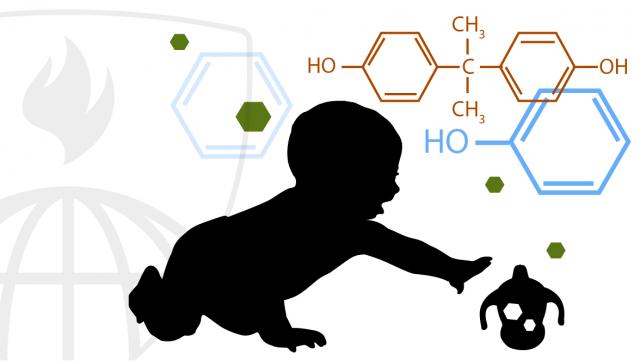
This course covers chemicals in our environment and in our bodies and how they impact our health. It addresses policies and practices related to chemicals, particularly related to how they get into our bodies (exposures), what they do when they get there (toxicology), how we measure them (biomonitoring) and their impact on our health. Most examples are drawn from the US.

Class Deals by MOOC List - Click here and see Coursera's Active Discounts, Deals, and Promo Codes.

Syllabus

WEEK 1
Welcome & Introduction
Start off this week with the peer assessment (we know, we know. . . how can we have an assessment before the course even starts, right?). We simply hope to gauge your initial understanding of the topics that we’ll cover (so grade easy). Then we get into a quick overview of the course, a discussion of chemicals & how we are exposed (in three parts) and an introduction to chemical production & regulation. The module ends with a fun homework assignment: watch an eight-minute video and discuss amongst yourselves (and with us too).

WEEK 2
Toxicology: What do chemicals do in our bodies?
Now that you have a sense of what a chemical is, and how we are exposed to them, we dive into the science of how chemicals impact our health, starting with toxicology. But before you dive into the study of poisons, please review, evaluate, and grade at least four of your classmates' submissions from last week. After you listen to the lectures by Professor Trush, take the ten-question/multiple-choice quiz that covers weeks 1 & 2. Feel free to go back and use the lectures to help you answer the questions.

WEEK 3
Biomonitoring: How do we measure these chemicals in our bodies and why?
Start by watching a two-minute video and a five-minute news report. Post your reactions not only to the video and audio files, but also to your peers’ thoughts! Next you’ll hear from a CDC scientist about the US’ National Biomonitoring Program, then you’ll hear how that program translates to the local level. Be sure to keep in mind the relationship of communities to their government! This week is pretty light – so enjoy!

WEEK 4
Health effects of chemicals: How do we figure out how chemicals affect our health?
Finally we get to one of the main questions presented in this course - how do scientists assess the impact of chemicals on our health? You’ll hear from a physician who specializes in environmental & occupational medicine and epidemiology. Then you’ll hear how policymakers use the knowledge that we do have (about chemicals & health) to assess risk and drive policy. Once you’ve viewed the two lectures, another ten-question/multiple-choice quiz will assess how much information you absorbed from weeks 3 and 4. Feel free to go back and use the lectures to help you answer the questions.

WEEK 5
Chemicals Policy: What do we do about chemicals & health?
So far we’ve covered: how chemicals get into our bodies and how we measure them, what our bodies do with them and what they do to our bodies, and how that ultimately impacts our health. Now we turn to policy and how society addresses the impact of chemicals on health. We will hear from a non-profit group that works to change policies such as laws & regulations related to this area. Then we’ll hear how such changes have impacted our health and environment historically, looking specifically at air quality regulation in the US. After you view the lectures in Module 5, there is a second peer-reviewed writing assessment that aims to gauge your shift in understanding the complex relationship between chemicals and health (again grade each other generously).

WEEK 6
Case Studies
At this point you may be wondering: so how do all these pieces fit together? From chemicals in our natural world to production on a large scale, through exposure to health effects and policy . . . this module provides real world examples of how the general public, scientists, industry, governments and non-profit groups come together to effect change. Specifically, we’ll hear about tobacco, contaminated food, drinking water, nanotechnology & worker health. At some point this week (either before, after or in-between listening to the case studies), you’ll need to review, evaluate, and grade at least four of your classmates' submissions from last week. The final lecture offers a summary & conclusion, hopefully providing ideas for next steps for those of you interested in learning or doing more related to chemicals & health. Please let us know how we did and how we can improve!
Go to Class
MOOC List is learner-supported. When you buy through links on our site, we may earn an affiliate commission.

Related Courses

Schizophrenia (Coursera) Coursera
Wesleyan University

Schizophrenia (Coursera)

The main goal of this class are to gain an introductory exposure to the nature of the psychiatric disorder known as schizophrenia as revealed by the scientific method. We will discuss a broad range of findings from the scientific investigation of biological and psychological factors related to schizophrenia and its treatment.

Sep 14th 2026
5-12 Weeks
Medical Neuroscience (Coursera) Coursera
Duke University

Medical Neuroscience (Coursera)

Medical Neuroscience explores the functional organization and neurophysiology of the human central nervous system, while providing a neurobiological framework for understanding human behavior. In this course, you will discover the organization of the neural systems in the brain and spinal cord that mediate sensation, motivate bodily action, and integrate sensorimotor signals with memory, emotion and related faculties of cognition. The overall goal of this course is to provide the foundation for understanding the impairments of sensation, action and cognition that accompany injury, disease or dysfunction in the central nervous system. The course will build upon knowledge acquired through prior studies of cell and molecular biology, general physiology and human anatomy, as we focus primarily on the central nervous system.

Sep 14th 2026
13-24 Weeks
Feeding the World (Coursera) Coursera
University of Pennsylvania

Feeding the World (Coursera)

This course will explore the concepts driving current food production science (population growth, urbanization, emerging affluence, resource constraints, and underlying biological limits) with the main focus on livestock production. Each of the major food animal species (dairy, swine, beef, and poultry) will be covered in terms of their universal life cycles, constraints to production and emerging societal issues.

Sep 14th 2026
5-12 Weeks
Life, Health and Radiation (Coursera) Coursera
The University of Sydney

Life, Health and Radiation (Coursera)

Radiation is all around us - without it we wouldn’t exist. Yet the word has become synonymous with danger, death and disaster. This MOOC will allow the world to see radiation in a new light, to expose its benefits as well as its risks. X-ray radiation, for example, is a scientific and medical discovery that has improved or prolonged billions of lives. Most of us have had an X-ray at some point in our life, at the Dentist, in a hospital or clinic. Yet few people really understand what X-rays are or where they come from.

Sep 14th 2026
5-12 Weeks
Career 911: Your Future Job in Medicine and Healthcare (Coursera) Coursera
Northwestern University

Career 911: Your Future Job in Medicine and Healthcare (Coursera)

This course aims to help high school students, recent graduates, and those considering career transitions explore health care career options and learn strategies for entry into the health care workforce and health related fields. There are lots of amazing job opportunities in medicine and healthcare! Join us, as we share the strategies and secrets for getting those jobs.

Sep 14th 2026
5-12 Weeks
Case Studies in Personalized Medicine (Coursera) Coursera
Vanderbilt University

Case Studies in Personalized Medicine (Coursera)

Learn how advances in biomedicine hold the potential to revolutionize drug development, drug treatments, and disease prevention: where are we now, and what does the future hold? This course will present short primers in genetics and mechanisms underlying variability in drug responses. A series of case studies will be used to illustrate principles of how genetics are being brought to bear on refining diagnoses and on personalizing treatment in rare and common diseases. The ethical and operational issues around how to implement large scale genomic sequencing in clinical practice will be addressed.

Sep 14th 2026
5-12 Weeks
An Introduction to the U.S. Food System: Perspectives from Public Health (Coursera) Coursera
Johns Hopkins University

An Introduction to the U.S. Food System: Perspectives from Public Health (Coursera)

A food system encompasses the activities, people and resources involved in getting food from field to plate. Along the way, it intersects with aspects of public health, equity and the environment. In this course, we will provide a brief introduction to the U.S. food system and how food production practices and what we choose to eat impacts the world in which we live. Through several case studies, we will discuss some key historical and political factors that have helped shape the current food system and consider alternative approaches from farm to fork.

Sep 14th 2026
5-12 Weeks
Drugs, drug use, drug policy and health (Coursera) Coursera
University of Geneva

Drugs, drug use, drug policy and health (Coursera)

This MOOC is the first of its kind, since it addresses critical issues related to drugs from a multidisciplinary, health and human rights-based approach. Throughout the course you will cover a range of questions including what are drugs and why they controlled? What are the benefits and harms of taking drugs? How public health policies can address drug use?

Sep 14th 2026
5-12 Weeks
How Music Can Change Your Life (Coursera) Coursera
University of Melbourne

How Music Can Change Your Life (Coursera)

Did you ever wonder how music works? This course provides free video, audio and journal resources that explain six basic principles about how music can influence individual and community health and wellbeing. From biology and neuroscience, to psychotherapy and politics, the ways we engage with music can make all the difference. Music has always played an integral role in the lives of individuals and communities all around the globe.

Sep 14th 2026
5-12 Weeks
Disease Screening in Public Health (Coursera) Coursera
University of Geneva

Disease Screening in Public Health (Coursera)

Current and future public health is characterized by the increase of chronic and degenerative diseases, corresponding to the worldwide ageing of the population. The increasing prevalence of these conditions together with the long incubation period of the chronic diseases and the restless technological innovations, offer new opportunities to develop strategies for early diagnosis.

Sep 14th 2026
5-12 Weeks