Motion Capture: The Art of Studying Human Activity (FutureLearn)

Offered by University of Oslo,
Motion Capture: The Art of Studying Human Activity (FutureLearn)

Learn about how to record, visualize, and analyze human body motion. Learn about how to record, visualize, and analyze human body motion. This online course from the University of Oslo is for everyone interested in human motion capture.

Class Deals by MOOC List - Click here and see FutureLearn's Active Discounts, Deals, and Promo Codes.

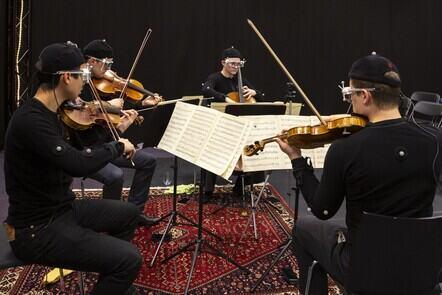
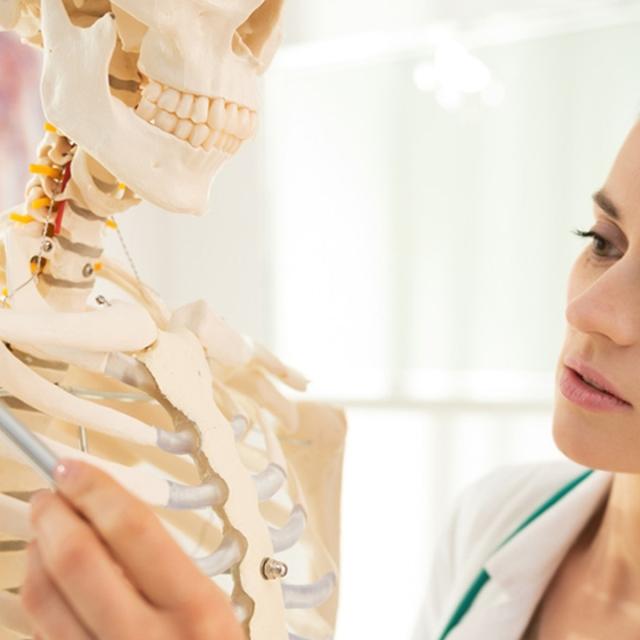
You’ll start by learning the basics of human anatomy and biomechanics. Then we’ll move on to setting up, calibrating and recording with an infrared optical motion capture system. Some other sensing technologies will also be presented, including accelerometers, muscle sensors, and video recordings. Examples will be given of how such systems are used in various types of music research. Finally, you’ll learn about some of the ethical and legal challenges of working with human motion capture.

Syllabus

Week 1: Welcome to the course
Week 2: Anatomy and biomechanics
Week 3: Infrared motion capture
Week 4: Additional sensing
Week 5: Use cases
Week 6: Project planning

Learning on this course
You can take this self-guided course and learn at your own pace. On every step of the course you can meet other learners, share your ideas and join in with active discussions in the comments.
What will you achieve?
By the end of the course, you‘ll be able to...
Describe the musculoskeletal system and biomechanics of the human body
Reflect on the usage of various motion capture systems for different applications
Describe the setup of an infrared marker-based motion capture system
Identify challenges working with different types of motion capture systems
Explain some ethical issues related to motion capture of human participants
Who is the course for?
This online course from the University of Oslo is for everyone interested in human motion capture.
What software or tools do you need?
The course describes several advanced motion capture systems. You can complete the course without any specialized equipment but will need access to a motion capture lab to get hands-on experience with the presented technologies.
Go to Class
MOOC List is learner-supported. When you buy through links on our site, we may earn an affiliate commission.

Related Courses

Medical Terminology and the Human Body Fundamentals (Coursera) Coursera
MedCerts

Medical Terminology and the Human Body Fundamentals (Coursera)

In this Introduction to Medical Terminology and the Human Body course, you will learn about the medical language that is used to describe the human body. Throughout each Lesson, the roots of terms are explained to help students understand how medical terminology works in healthcare and to increase their knowledge and understanding of the material discussed.

Sep 28th 2026
4 Weeks
Histology: Using Microscopy to Study Anatomy and Identify Disease (FutureLearn) FutureLearn
The Open University

Histology: Using Microscopy to Study Anatomy and Identify Disease (FutureLearn)

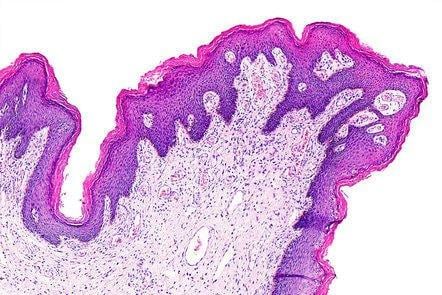
Get an introduction to histology – the study of anatomy at a microscopic level – and find out how it is used to identify disease. Histology is a key part of modern medicine – it helps us study cells and tissues at a microscopic level, and accurately diagnose diseases such as cancer. This online course introduces the field. It starts with the basic principles of light microscopy, before focussing on the structure and function of human tissues, and the relationships between them.

No sessions available
4 Weeks
Anatomy: Gastrointestinal, Reproductive and Endocrine Systems (Coursera) Coursera
University of Michigan

Anatomy: Gastrointestinal, Reproductive and Endocrine Systems (Coursera)

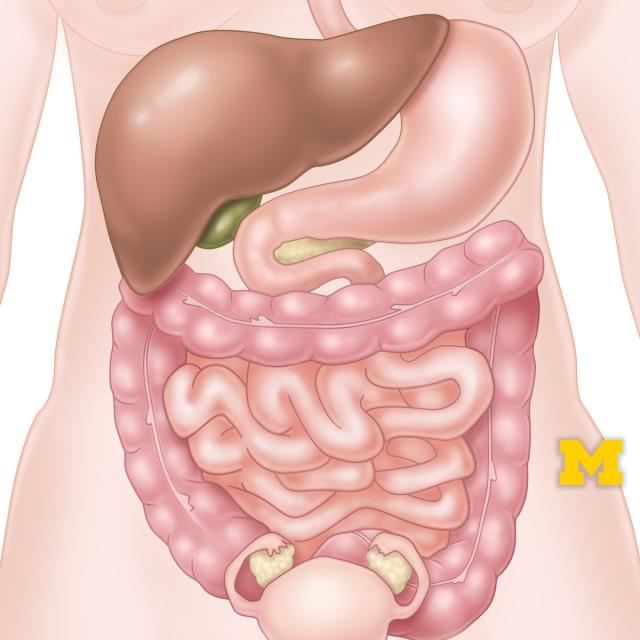
In this anatomy course, part of the Anatomy Specialization, you’ll learn about the various digestive, endocrine, and reproductive organs, their functions, and pathways of nerves and blood vessels serving these organs. Clinical correlations and vignettes will be used to highlight the importance of these anatomical structures and their relationships. Images and videos from cadaveric and artistic materials will be used to illustrate these concepts.

Sep 21st 2026
3 Weeks
Your Body Inside and Out: Using Exercise Physiology to Slow Aging (edX) EdX
Stanford University,StanfordOnline

Your Body Inside and Out: Using Exercise Physiology to Slow Aging (edX)

This online class will present the latest scientific information on the interaction between aging and physical activity. In an approachable style, you will learn how your physiology changes with age and how different types of movement can impact that trajectory of aging. Physical activity is a powerful medicine and you will learn how to harness its benefits to improve your health and wellness throughout the lifespan. Whether you are new to exercise or a life-long athlete, this class will open your eyes to the amazing systems within your body and help you strategize on activities that fit your goals for a healthy life.

Self Paced
5-12 Weeks
The Human Microbiome (FutureLearn) FutureLearn
EIT Food,EIT,University of Turin

The Human Microbiome (FutureLearn)

Discover what the microbiome is, how it changes throughout your life, and the role it plays in good human health. Learn how a healthy microbiome can combat disease. The microbiome – the microbes that live within the human body – can have a huge impact on human health. As such, it’s vital to understand the complexity of the microbiome, and how it can impact on disease and wellbeing. On this course, you’ll go on a fascinating journey into the human body – down to the gut – where the ecology and roles of the human microbiome will be narrated.

Jan 2nd 2023
3 Weeks
Human Anatomy: Musculoskeletal Cases (edX) EdX
HarvardX,Harvard University

Human Anatomy: Musculoskeletal Cases (edX)

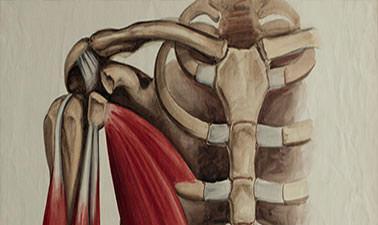
Learn the anatomy basic to understanding five musculoskeletal injuries commonly seen in primary care medicine and orthopedic clinical specialty practice. Follow hypothetical patients from injury to operating room. Human Anatomy: Musculoskeletal Cases invites students to join medical and basic science faculty at Harvard Medical School (HMS) to learn about musculoskeletal injuries commonly seen in clinical practice.

Self Paced
Self-Paced
Developing the SIR Model (Coursera) Coursera
Imperial College London

Developing the SIR Model (Coursera)

Compartmental modelling is a cornerstone of mathematical modelling of infectious diseases and this course will introduce some of the basic concepts in building compartmental models, including how to interpret and represent rates, durations and proportions. You'll learn to place the mathematics to one side and concentrate on gaining intuition into the behaviour of a simple epidemic, and be introduced to further basic concepts of infectious disease epidemiology, such as the basic reproduction number (R0) and its implications for infectious disease dynamics.

Sep 21st 2026
4 Weeks
Anatomy: Cardiovascular, Respiratory and Urinary Systems (Coursera) Coursera
University of Michigan

Anatomy: Cardiovascular, Respiratory and Urinary Systems (Coursera)

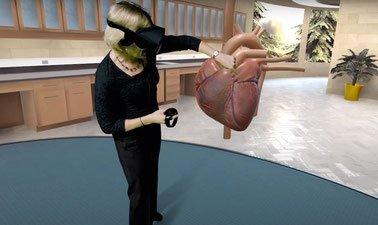
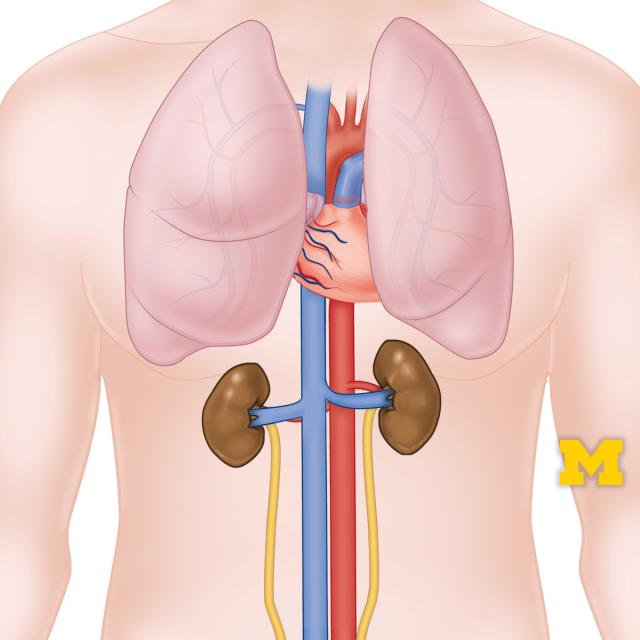
In this anatomy course, part of the Anatomy Specialization, you will explore the interactive relationships of the cardiovascular, respiratory and urinary systems, and the roles they play in your body. This course is a primer for the cardiovascular, respiratory, and urinary systems in which students learn the pertinent details of the structures and functions through a combination of lectures, videos, labeling activities and quizzes.

Sep 21st 2026
4 Weeks