Anatomy: Know Your Abdomen (FutureLearn)

Offered by University of Leeds,
Anatomy: Know Your Abdomen (FutureLearn)

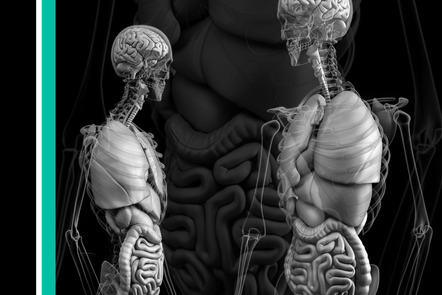
Discover the human abdomen and how it works. This course will help you identify the positions of organs within the abdomen and will introduce you to common anatomical terminology. You will look at the anterior (front) abdominal wall, exploring how the ‘abs’ are considered in relation to health and beauty.

Class Deals by MOOC List - Click here and see FutureLearn's Active Discounts, Deals, and Promo Codes.

You’ll then move on to look at the composition of the gastrointestinal tract. Focussing on common problems that can occur in this tract, you’ll hear from an abdominal surgeon about the work he does to treat and cure such problems.

What topics will you cover?

  • The positions of organs within the abdomen
  • Common anatomical terminology relating to organs and their position relative to each other
  • The anterior abdominal wall: how ‘abs’ are considered in relation to health and beauty
  • The structure of the gastrointestinal tract

-Common gastrointestinal problems and the work done to treat or cure them

Learning on this course
You can take this self-guided course and learn at your own pace. On every step of the course you can meet other learners, share your ideas and join in with active discussions in the comments.

What will you achieve?

  • Identify where the organs of the abdomen are located.
  • Identify key anatomical terminology by referring to the glossary.
  • Explore the basic features and muscles of the anterior abdominal wall.
  • Discuss the diverse range of functions carried out by the anterior abdominal wall musculature.
  • Research and discuss how the abdomen is referred to in the media.
  • Discuss your learning regarding the basic position and function of the gastrointestinal tract, from the oesophagus to the rectum.
  • Identify the position of the gastrointestinal tract and relate it to neighbouring organs.
  • Explore common gastrointestinal problems and how they are treated.
  • Research and discuss facts about the gastrointestinal tract.

Who is the course for?
This course is part of the Going to University collection which has been specifically designed for students at schools and colleges. They provide a taster of undergraduate study at the University of Leeds and help students to decide which subject to study at university.
Completion of the courses will also enhance students’ university applications.
The courses can also be used as a teachers’ classroom enrichment resource.
Courses in this collection are also great for people that want an introduction in the specific subjects discussed in each course.
Go to Class
MOOC List is learner-supported. When you buy through links on our site, we may earn an affiliate commission.

Related Courses

Exploring Anatomy: The Human Abdomen (FutureLearn) FutureLearn
University of Leeds

Exploring Anatomy: The Human Abdomen (FutureLearn)

Explore the anatomy of the human abdomen and appreciate its clinical importance. You will be introduced to the human abdomen and its many complex structures through stimulating discussions on common surgical scenarios and current research. Each week, we will focus on a specific area of the abdomen; starting at the anterior abdominal wall and be able to detail the anatomy of numerous organs including the stomach and liver.

Self Paced
3 Weeks
Biochemistry: the Molecules of Life (FutureLearn) FutureLearn
University of East Anglia

Biochemistry: the Molecules of Life (FutureLearn)

Explore the impact of biochemistry on bioenergy and health, discovering why graduates are in demand; with the Biochemical Society. Biochemistry brings together all of the sciences to study the chemical and physical processes that occur in living organisms. It truly is the science of life. As a scientific discipline in its own right, biochemistry has a major impact on all areas of the life sciences and biochemists are in high demand among employers.

Self Paced
3 Weeks
Study Medicine: Applying for Medical School and Becoming a Medical Student (FutureLearn) FutureLearn
University of Glasgow

Study Medicine: Applying for Medical School and Becoming a Medical Student (FutureLearn)

Thinking about becoming a doctor? Get tips for writing your medicine application and learn what it's like to be a medical student. Explore the prospect of a career in medicine with a leading UK medical school. Is a career in medicine right for you? On this course, you’ll explore the process of becoming a doctor and learn what to expect from your time at medical school and beyond.

Self Paced
3 Weeks
Dysphagia: Swallowing Difficulties and Medicines (FutureLearn) FutureLearn
University of East Anglia

Dysphagia: Swallowing Difficulties and Medicines (FutureLearn)

This course will enhance the knowledge of any person involved in the administration of medicines to patients with dysphagia. The course offers an opportunity to network with other learners and with the creators of the course through discussions, graphs and social networking features and to share knowledge with other learners and professionals.

Self Paced
5-12 Weeks
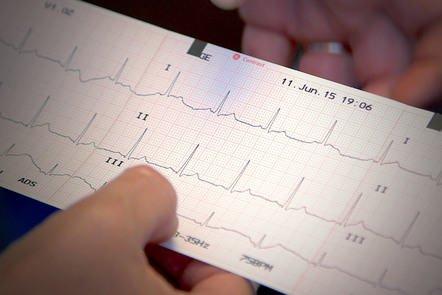
ECG Assessment: an Introduction for Healthcare Providers (FutureLearn) FutureLearn
St George's, University of London

ECG Assessment: an Introduction for Healthcare Providers (FutureLearn)

Understand the principles of electrocardiography and learn a step-by-step approach to the ECG test, with this free online course. The electrocardiograph (also known as electrocardiogram) or ECG is a non-invasive diagnostic procedure, commonly used to assess people with known or suspected heart disease, in a variety of healthcare settings. Competent recording, reading and interpretation is vital to ensure safe and effective care, yet ECGs are commonly undertaken by unqualified and junior staff, who have received little training.

Self Paced
2 Weeks
Introduction to Randomised Controlled Trials (FutureLearn) FutureLearn
University of Birmingham

Introduction to Randomised Controlled Trials (FutureLearn)

Discover the importance of trials in evidence-based medicine and learn about the trial lifecycle from conception to publication. Explore how successful clinical trials are designed and delivered Randomised controlled trials have a huge impact on society by providing evidence of the effectiveness of healthcare, social care, and public health interventions.

Self Paced
3 Weeks
Good Brain, Bad Brain: Parkinson's Disease (FutureLearn) FutureLearn
University of Birmingham

Good Brain, Bad Brain: Parkinson's Disease (FutureLearn)

Learn the fundamentals of Parkinson's disease with this online course. What causes it and what we can do to treat it? This online course is aimed at anyone who wants to find out the fundamentals of Parkinson’s disease. We will look at how Parkinson’s disease affects people; what causes it; what we can do to try to ameliorate the symptoms of Parkinson’s; and what we don’t yet know about it.

No sessions available
3 Weeks
Small and Mighty: Introduction to Microbiology (FutureLearn) FutureLearn
University of Reading

Small and Mighty: Introduction to Microbiology (FutureLearn)

Understand the basics of microbiology and explore the diversity of microbial life in our world. Discover the fascinating world of microbes. Microbes may be invisible to the eye, but they dominate every environment on Earth – including you. Microbes are often associated with disease yet the majority of species help to keep us alive. How can you distinguish the good from the bad?

Self Paced
3 Weeks
Heart Health: A Beginner's Guide to Cardiovascular Disease (FutureLearn) FutureLearn
University of Reading

Heart Health: A Beginner's Guide to Cardiovascular Disease (FutureLearn)

Learn more about how your heart works, the causes of heart disease and how to keep your heart healthy with this free online course. Learn how to keep your heart healthy. Your heart beats around 100,000 times a day, pumping blood around your body to deliver oxygen and nutrients, while taking away waste products. When your heart is unhealthy, it can’t perform this vital task so effectively.

Self Paced
4 Weeks
Exploring Our Oceans (FutureLearn) FutureLearn
University of Southampton

Exploring Our Oceans (FutureLearn)

Explore the half of our world covered by deep ocean, and how our lives affect the hidden face of our planet. Discover how you can play a part in the safe keeping of the future of our ocean. What lies in the half of our world covered by water more than two miles deep? How are our everyday lives connected to the ocean depths, and what challenges and opportunities does this previously hidden realm hold for our future?

Nov 21st 2022
4 Weeks
Why Do We Age? The Molecular Mechanisms of Ageing (FutureLearn) FutureLearn
University of Groningen,University Medical Center Groningen - UMCG

Why Do We Age? The Molecular Mechanisms of Ageing (FutureLearn)

Why do we age? Is there a limit to human lifespan? Can we prolong our lives? Find out with this free online course. Discover the science behind the ageing process. The “why” and “how” of ageing has puzzled mankind ever since it questioned its place in the universe.

Self Paced
5-12 Weeks