Anatomy: Gastrointestinal, Reproductive and Endocrine Systems (Coursera)

Anatomy: Gastrointestinal, Reproductive and Endocrine Systems (Coursera)

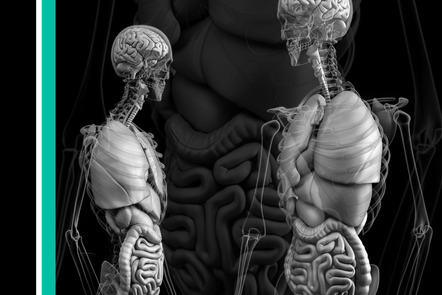
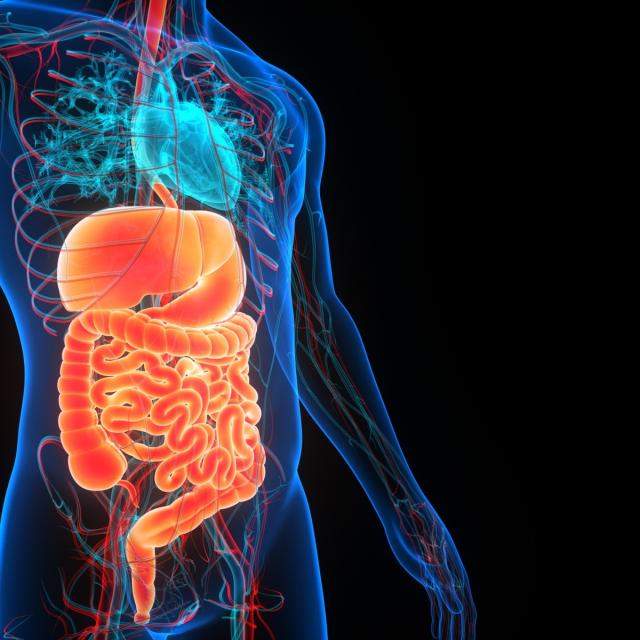
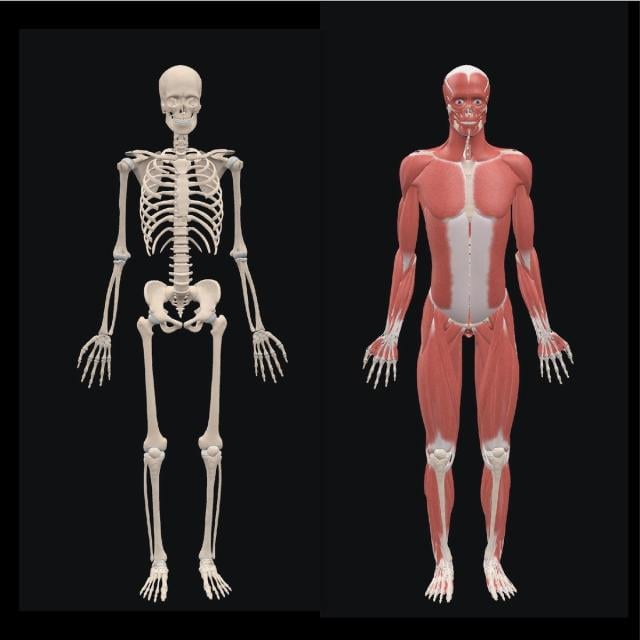
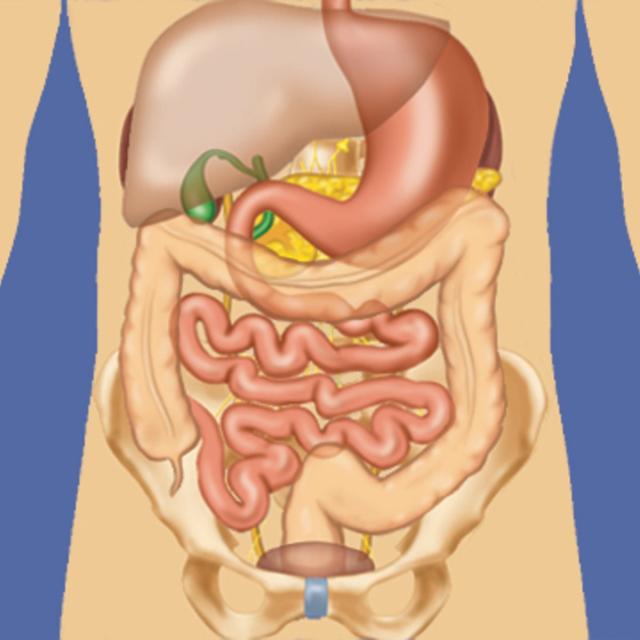
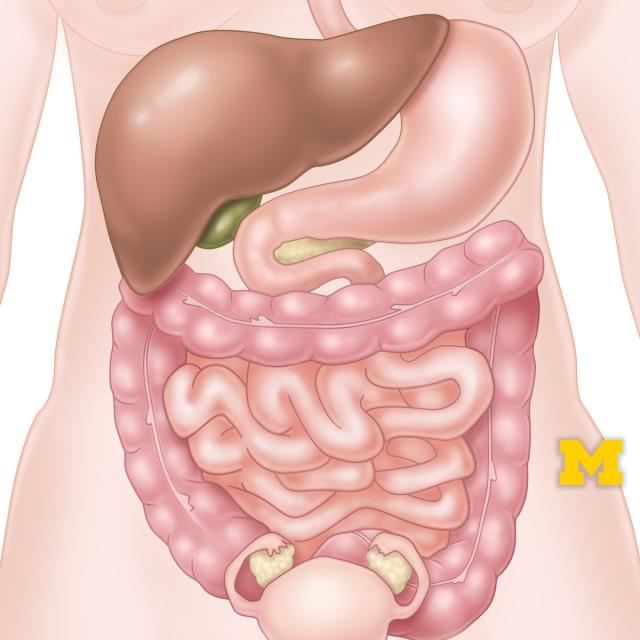
In this anatomy course, part of the Anatomy Specialization, you’ll learn about the various digestive, endocrine, and reproductive organs, their functions, and pathways of nerves and blood vessels serving these organs. Clinical correlations and vignettes will be used to highlight the importance of these anatomical structures and their relationships. Images and videos from cadaveric and artistic materials will be used to illustrate these concepts.

Class Deals by MOOC List - Click here and see Coursera's Active Discounts, Deals, and Promo Codes.

What You Will Learn

  • Understand basic anatomy and important clinical concepts related to the gastrointestinal, endocrine, and reproductive systems
  • Learn the primary functions of the gastrointestinal, reproductive and endocrine system independently and in relation to the human body

Course 4 of 4 in the Anatomy Specialization.

Syllabus

WEEK 1: Gastrointestinal Anatomy
WEEK 2: Reproductive Anatomy
WEEK 3: Endocrine System

Go to Class
MOOC List is learner-supported. When you buy through links on our site, we may earn an affiliate commission.

Related Courses

Human Reproduction (edX) EdX
University of Adelaide,AdelaideX

Human Reproduction (edX)

Let’s talk about all things relating to human reproduction - from puberty to menopause, to fertility and contraception. In this foundational course, you will learn about human reproduction by exploring the underlying biology, the most common myths, and the latest medical advances. To help you understand the realities of making babies, having babies, and not having babies, we have pulled together a team of expert instructors that includes world-renowned researchers from the Robinson Research Institute.

Self Paced
Self-Paced
The Human Body's Communication Systems (Coursera) Coursera
MedCerts

The Human Body's Communication Systems (Coursera)

In this course on The Human Body's Communication Systems, you will learn about the wonderful diversity of the nervous and endocrine systems and the medical language that is used to describe these systems. Throughout each Lesson, the roots of terms are explained to help students understand how medical terminology works in healthcare and to increase their knowledge and understanding of the material discussed.

Sep 7th 2026
3 Weeks
Anatomy: Human Neuroanatomy (Coursera) Coursera
University of Michigan

Anatomy: Human Neuroanatomy (Coursera)

In this anatomy course, part of the Anatomy Specialization, you will be introduced to the central and peripheral nervous systems. You will learn about basic neuroanatomy, sensory pathways, motor pathways and the autonomic nervous system. The course includes illustrated lecture videos and quizzes to help you expand and test your knowledge of the nervous system.

Sep 1st 2026
5-12 Weeks
Renal, Gastrointestinal and Endocrine Systems (edX) EdX
University of Queensland,UQx

Renal, Gastrointestinal and Endocrine Systems (edX)

The renal, gastrointestinal and endocrine systems are key body systems, essential for normal human health. Learn how these systems work together to maintain homeostasis. Comprehending the complexity and integration of the human body systems is the core to learning human physiology.

Sep 7th 2022
5-12 Weeks
Mini Medical School: Introduction to Medical Science (FutureLearn) FutureLearn
University of Colorado System

Mini Medical School: Introduction to Medical Science (FutureLearn)

Discover the science underpinning modern medical practice today and how to maintain and promote good physical and mental health. Master the basics of medicine with the University of Colorado School of Medicine. This three-week course offers you a fascinating and informative introduction to modern medicine.

Self Paced
3 Weeks
Anatomie du Bois (FUN) FUN
Université de Lorraine

Anatomie du Bois (FUN)

Par ses multiples expériences, l’homme a découvert quelles étaient les meilleures essences de bois pour répondre à chacun de ses besoins en matériaux ou en sources d’énergie. Le premier objectif de ce MOOC est de relier le bois en tant que tissu dans l’arbre et le bois en tant que matériau dans la vie des hommes. A la croisée de ces deux mondes, se trouve l’anatomie, c’est-à-dire la structure cellulaire, qui permet de comprendre presque toutes les propriétés du bois.

Jan 10th 2022
5-12 Weeks
De l'atome à l'humain : à la racine des mots scientifiques (FUN) FUN
Université de Lorraine

De l'atome à l'humain : à la racine des mots scientifiques (FUN)

Ce cours en ligne gratuit porte donc sur l’étymologie du vocabulaire scientifique et médical. Il s’adresse aux lycéens se préparant à la PACES, aux formations paramédicales, aux études scientifiques, aux STAPS... Il s’adresse également aux étudiants de ces différentes filières, ainsi qu’à toute personne intéressée par l’étymologie.

Sep 27th 2021
4 Weeks
Voice Disorders: What Patients and Professionals Need to Know (Coursera) Coursera
Icahn School of Medicine at Mount Sinai

Voice Disorders: What Patients and Professionals Need to Know (Coursera)

Knowledge regarding vocal production physiology and management options for voice disorders have experienced rapid growth over the past 40 years. This growth has resulted in a knowledge gap amongst patients and practitioners. Entirely new subspecialties of laryngology under otolaryngology and vocology under speech-language pathology have developed in response to this gap. This MOOC (Massive Open Online Course) is designed to educated patients, allied healthcare providers, vocal trainers/coaches, general medical practitioners and otolaryngologists.

Sep 28th 2026
5-12 Weeks
Anatomy & Physiology: Levels of Organization (Coursera) Coursera
Rice University

Anatomy & Physiology: Levels of Organization (Coursera)

This course will provide a basic introduction to the human body. It will examine common organizational patterns and terms in anatomy. It will also provide a micro-level view of essential elements and compounds at the atomical and molecular level before expanding to the cellular and tissue levels. Finally, we will look at how tissue can form organs and even an entire organ system with the skin through our look at the Integumentary System.

Sep 7th 2026
3 Weeks