Anatomy & Physiology: Levels of Organization (Coursera)

Offered by Rice University,
Anatomy & Physiology: Levels of Organization (Coursera)

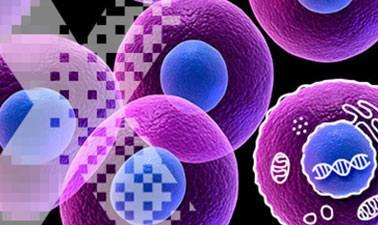
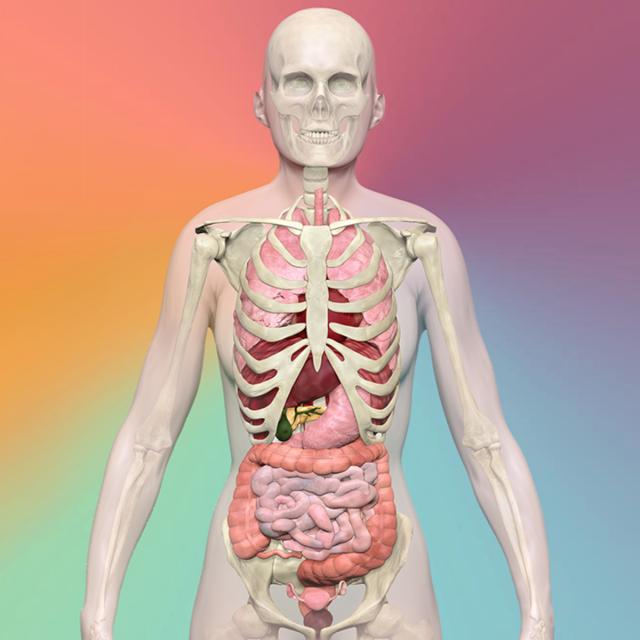
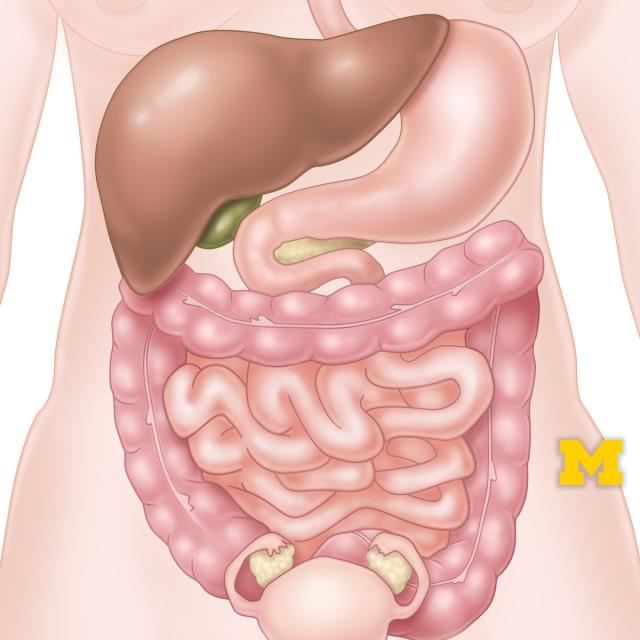
This course will provide a basic introduction to the human body. It will examine common organizational patterns and terms in anatomy. It will also provide a micro-level view of essential elements and compounds at the atomical and molecular level before expanding to the cellular and tissue levels. Finally, we will look at how tissue can form organs and even an entire organ system with the skin through our look at the Integumentary System.

Class Deals by MOOC List - Click here and see Coursera's Active Discounts, Deals, and Promo Codes.

This course provides a strong foundation upon which the future system-based courses in the specialization will build!

Syllabus

WEEK 1
Welcome to Levels of Organization
Introduction to the Human Body

WEEK 2
Levels of Organization

WEEK 3
The Integumentary System
Course Assessment & Summary

Go to Class
MOOC List is learner-supported. When you buy through links on our site, we may earn an affiliate commission.

Related Courses

The Human Microbiome (FutureLearn) FutureLearn
EIT Food,EIT,University of Turin

The Human Microbiome (FutureLearn)

Discover what the microbiome is, how it changes throughout your life, and the role it plays in good human health. Learn how a healthy microbiome can combat disease. The microbiome – the microbes that live within the human body – can have a huge impact on human health. As such, it’s vital to understand the complexity of the microbiome, and how it can impact on disease and wellbeing. On this course, you’ll go on a fascinating journey into the human body – down to the gut – where the ecology and roles of the human microbiome will be narrated.

Jan 2nd 2023
3 Weeks
Acute and Chronic Rhinosinusitis: A Comprehensive Review (Coursera) Coursera
Icahn School of Medicine at Mount Sinai

Acute and Chronic Rhinosinusitis: A Comprehensive Review (Coursera)

This course is designed to inform primary care physicians and general otolaryngologists about the differences between acute and chronic rhinosinusitis and how to distinguish and treat them. It is also applicable to individuals who wish to broaden their knowledge and vernacular about this disease process, especially those who may suffer from this condition.

Jun 15th 2026
5-12 Weeks
Medical Neuroscience (Coursera) Coursera
Duke University

Medical Neuroscience (Coursera)

Medical Neuroscience explores the functional organization and neurophysiology of the human central nervous system, while providing a neurobiological framework for understanding human behavior. In this course, you will discover the organization of the neural systems in the brain and spinal cord that mediate sensation, motivate bodily action, and integrate sensorimotor signals with memory, emotion and related faculties of cognition. The overall goal of this course is to provide the foundation for understanding the impairments of sensation, action and cognition that accompany injury, disease or dysfunction in the central nervous system. The course will build upon knowledge acquired through prior studies of cell and molecular biology, general physiology and human anatomy, as we focus primarily on the central nervous system.

Jun 22nd 2026
13-24 Weeks
Exploring Anatomy: The Human Abdomen (FutureLearn) FutureLearn
University of Leeds

Exploring Anatomy: The Human Abdomen (FutureLearn)

Explore the anatomy of the human abdomen and appreciate its clinical importance. You will be introduced to the human abdomen and its many complex structures through stimulating discussions on common surgical scenarios and current research. Each week, we will focus on a specific area of the abdomen; starting at the anterior abdominal wall and be able to detail the anatomy of numerous organs including the stomach and liver.

Sep 23rd 2024
3 Weeks
Renal, Gastrointestinal and Endocrine Systems (edX) EdX
University of Queensland,UQx

Renal, Gastrointestinal and Endocrine Systems (edX)

The renal, gastrointestinal and endocrine systems are key body systems, essential for normal human health. Learn how these systems work together to maintain homeostasis. Comprehending the complexity and integration of the human body systems is the core to learning human physiology.

Sep 7th 2022
5-12 Weeks
Digestion, Micturition, and Reproduction (Coursera) Coursera
MedCerts

Digestion, Micturition, and Reproduction (Coursera)

In this course on Digestion, Micturition, and Reproduction, you will learn about the wonderful diversity of the digestive, urinary, and reproductive systems and the medical language that is used to describe these systems. Throughout each Lesson, the roots of terms are explained to help students understand how medical terminology works in healthcare and to increase their knowledge and understanding of the material discussed.

Jun 15th 2026
3 Weeks
Anatomy: Human Neuroanatomy (Coursera) Coursera
University of Michigan

Anatomy: Human Neuroanatomy (Coursera)

In this anatomy course, part of the Anatomy Specialization, you will be introduced to the central and peripheral nervous systems. You will learn about basic neuroanatomy, sensory pathways, motor pathways and the autonomic nervous system. The course includes illustrated lecture videos and quizzes to help you expand and test your knowledge of the nervous system.

Jun 15th 2026
5-12 Weeks
Medical Terminology, Anatomy, and Physiology Fundamentals (Coursera) Coursera
MedCerts

Medical Terminology, Anatomy, and Physiology Fundamentals (Coursera)

In this Introduction to Medical Terminology and the Human Body course, you will learn about the medical language that is used to describe the human body. Throughout each Lesson, the roots of terms are explained to help students understand how medical terminology works in healthcare and to increase their knowledge and understanding of the material discussed.

Jun 15th 2026
4 Weeks
Advanced Neurobiology I (Coursera) Coursera
Peking University

Advanced Neurobiology I (Coursera)

Hello everyone! Welcome to advanced neurobiology! Neuroscience is a wonderful branch of science on how our brain perceives the external world, how our brain thinks, how our brain responds to the outside of the world, and how during disease or aging the neuronal connections deteriorate. We’re trying to understand the molecular, cellular nature and the circuitry arrangement of how nervous system works.

Jun 15th 2026
5-12 Weeks
Non-Alcoholic Fatty Liver Disease – The Essentials (Coursera) Coursera
University of Copenhagen

Non-Alcoholic Fatty Liver Disease – The Essentials (Coursera)

Non-Alcoholic Fatty Liver Disease (NAFLD) is a global problem, affecting up to 25% of all individuals. The disease not only increases the risk of liver disease, but also of cardiovascular disease and liver cancer. During this course, you will learn the essentials of NAFLD. We will begin with an introduction to the physiology of the human liver followed by epidemiology, pathophysiology, clinical medicine, and genetics. Diagnosing NAFLD based on blood tests, diagnostic imaging and histology will be discussed. Complications and treatment options will also be covered in this course including the link between NAFLD and the development of diabetes. Finally, experts will discuss data driven identification of new biomarkers by omics technologies.

Jun 22nd 2026
5-12 Weeks
Anatomy: Cardiovascular, Respiratory and Urinary Systems (Coursera) Coursera
University of Michigan

Anatomy: Cardiovascular, Respiratory and Urinary Systems (Coursera)

In this anatomy course, part of the Anatomy Specialization, you will explore the interactive relationships of the cardiovascular, respiratory and urinary systems, and the roles they play in your body. This course is a primer for the cardiovascular, respiratory, and urinary systems in which students learn the pertinent details of the structures and functions through a combination of lectures, videos, labeling activities and quizzes.

Jun 15th 2026
4 Weeks