Bioprocesses make use of microorganisms, animal cells, or enzymes to manufacture new products or complete a chemical transformation. Since ancient days, humans have been using microorganisms to transform biological materials for the production of alcoholic beverages and other fermented foods. Since then, bioprocesses have been developed for an enormous range of commercial products, from relatively cheap products such as organic solvents and industrial alcohol, to expensive specialty chemicals such as therapeutic proteins, antibiotics, and vaccines. Nowadays, the development of bioprocesses is an essential part of a large number of chemical, food, and pharmaceutical industries. The main purpose of the course “Introduction to Industrial Bioprocess Development” is to provide an overview of the common stages involved in this type of processes.
Class Deals by MOOC List - Click here and see Coursera's Active Discounts, Deals, and Promo Codes.
The course is primarily aimed at students, researchers, and professionals with an interest in bioprocessing, biomanufacturing, or fermentation technology. Some knowledge of biology, biotechnology and/or biochemical engineering will be advantageous, but not mandatory.
The course begins with a brief description of some basic properties of microorganisms and general aspects related to their use in bioprocesses at industrial scale. Following this, the kinetic bases for cell growth, substrate utilization and product formation during batch, continuous and fed-batch cultures are discussed. In addition, the course includes a group of lectures dedicated to some stages that precede fermentation; specifically, media formulation, sterilization, preservation of microorganisms and inoculum preparation. The main characteristics of predominant types of industrial bioreactors along with process parameters that need to be controlled in stirred tank reactors are also covered in one of the modules of the course. Since the expansion of a bioprocess from a lab scale to an industrial scale is of considerable importance, an additional lecture dedicated to this topic is presented. The last part of the course provides a general overview of downstream processing, addressing processes used for the removal of cells from the culture medium, methods for the disruption of cells, and isolation of the target bioproduct.
By the end of the course, you should:
Be able to identify the fundamental difference between the two basic cell types: eukaryotic and prokaryotic cells
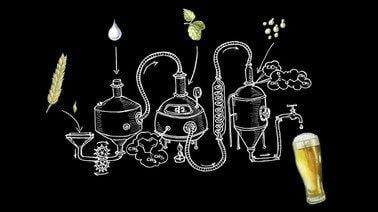
Distinguish the main steps of the brewing process
Identify some important steps in recombinant protein production
Define the different stages of the industrial production of bioethanol
Distinguish the main characteristics of the three fermentation modes: batch, continuous and fed-batch
Define important parameters of the continuous fermentation mode
Identify bioprocesses where fed-batch fermenters are used and for how long can a fed-batch process be run
Identify how defined and undefined fermentation media are formulated
Discuss the role that key components of culture media play in bioconversion processes
Recognize the importance in avoiding microbial contamination
Describe chemical and physical sterilization methods
Distinguish the main characteristics of common techniques of cell preservation
Recognize factors that are commonly considered to obtain an inoculum suitable for fermentation at industrial scale
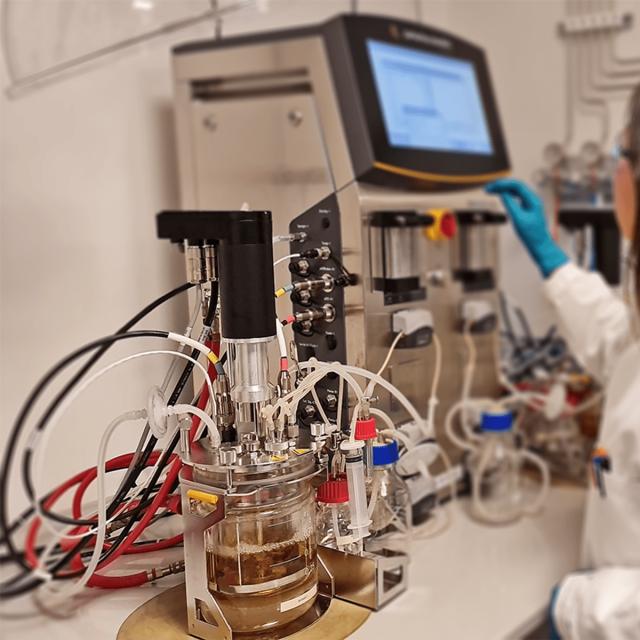
Define what a bioreactor is and in which industrial bioprocesses are commonly used
Identify the main parameters that need to be controlled during microbial conversions in STRs
List relevant parameters that are considered for scale-up purposes
Define the sequential steps of downstream processing
Distinguish different methods for biomass removal or cell harvesting
Select common unit operations used for primary isolation
Syllabus
WEEK 1
Module 1 - Fundamentals of Microbial Bioreaction Design
In Module 1 you will find an introduction to some properties of microorganisms. Microorganisms are essential for the development of industrial bioprocesses. You will learn how they are used in fermentation processes for conversion of sugars into ethanol, e.g., for beer or vinegar production. Major discoveries during the 19th and 20th centuries that led to the bioproduction of antibiotics and chemicals on an industrial scale are also covered in this Module. A discussion on the use of recombinant proteins, metabolic engineering and commercial production of bioethanol is presented in the last part of the Module.
WEEK 2
Module 2 - Mass Balances and Kinetics
Industrial fermentation processes are largely classified as batch, fed-batch or continuous operations. In Module 2 you will learn the main characteristics of these three operation modes. This Module also covers the advantages and disadvantages of each type of bioreactor operation.
WEEK 3
Module 3 - Upstream Processing
In Module 3, you will learn about the different sources and roles of individual components of fermentation media. A well-designed fermentation medium is critical to the ultimate success of industrial bioprocesses at industrial scale. Students will be also introduced to the most common sterilization methods used in biomanufacturing processes at lab and industrial scale. In addition, we will be looking at different preservation techniques of microbial cultures. The Module will end up describing some requirements needed for the preparation of an inoculum to be used in the production stage.
WEEK 4
Module 4 - Bioreactor Engineering
In this Module we will look at the different types of bioreactors that are commonly used for biomanufacturing processes at industrial scale. Module 4 also covers the main processes parameters that affect the development of a bioprocess in Stirred Tank Reactors (STRs). We will also explore the most common strategies to scale up a bioprocess in order to reach the production-scale level in the most efficient and economical manner.
WEEK 5
Module 5 - Downstream Processing
Module 5 will cover the main stages of downstream processing of bioproducts. Along with the review of common operations used for primary isolation, this Module will present detailed case studies showcasing the complexity required to obtain both extracellular (lactic acid) and intracellular (enzymes) products.