The Heart, Blood, and Lungs (Coursera)

Offered by MedCerts,
The Heart, Blood, and Lungs (Coursera)

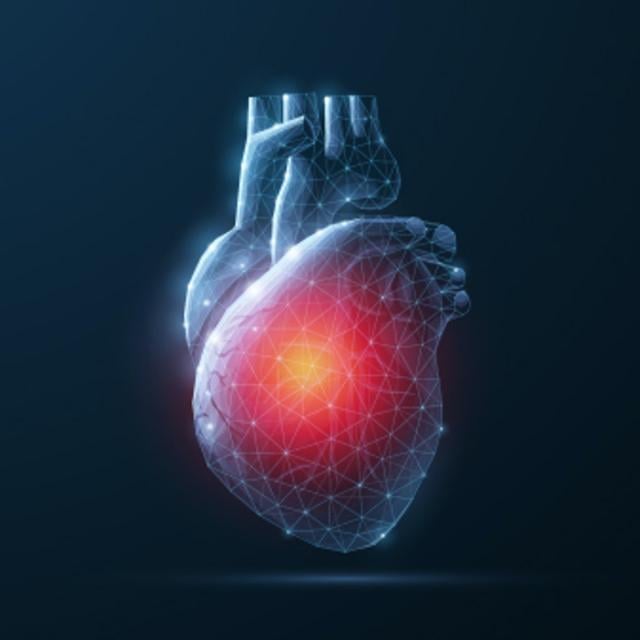
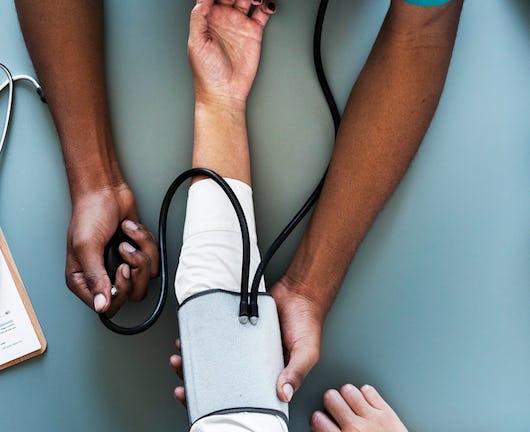
In this course on The Heart, Blood, and Lungs, you will learn about the wonderful diversity of the cardiovascular, immune, and respiratory systems and the medical language that is used to describe these systems. Throughout each Lesson, the roots of terms are explained to help students understand how medical terminology works in healthcare and to increase their knowledge and understanding of the material discussed.

Class Deals by MOOC List - Click here and see Coursera's Active Discounts, Deals, and Promo Codes.

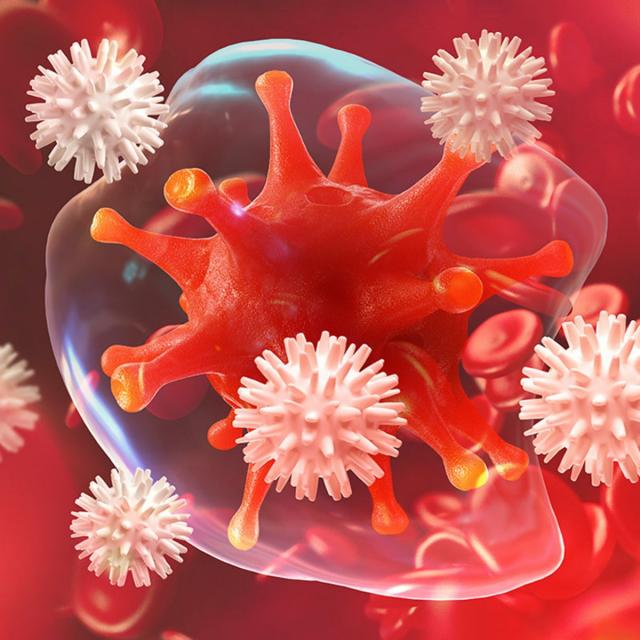
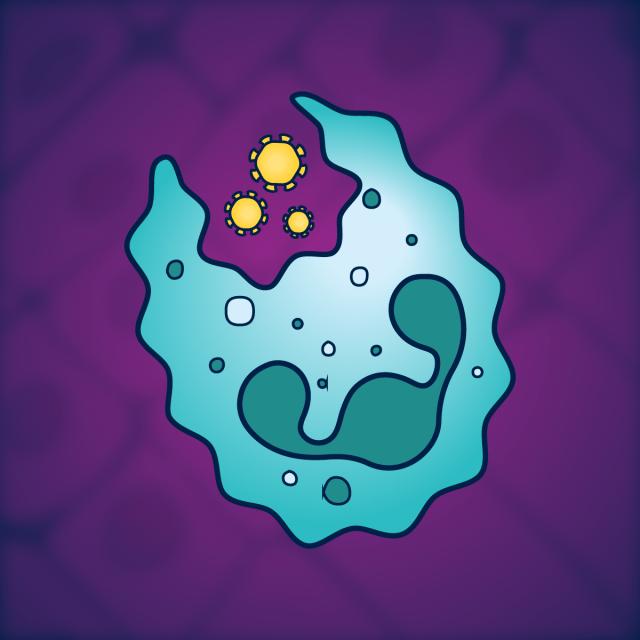
This course will provide you with a better understanding and working knowledge of medicine that is required for understanding of medical records used for multiple purposes and job duties in the medical field. Lessons include: Cardiovascular System, Blood and Immune System, and Respiratory System.
Course 4 of 5 in the Human Anatomy and Medical Terminology Fundamentals Specialization.

What You Will Learn

  • Recognize the structure and function of the cardiovascular, immune, and respiratory systems
  • Gain an understanding of the medical language related to the cardiovascular, immune, and respiratory systems
  • Discuss major diseases of the cardiovascular, immune, and respiratory systems, as well as related symptoms

Go to Class
MOOC List is learner-supported. When you buy through links on our site, we may earn an affiliate commission.

Related Courses

Anatomy & Physiology: Levels of Organization (Coursera) Coursera
Rice University

Anatomy & Physiology: Levels of Organization (Coursera)

This course will provide a basic introduction to the human body. It will examine common organizational patterns and terms in anatomy. It will also provide a micro-level view of essential elements and compounds at the atomical and molecular level before expanding to the cellular and tissue levels. Finally, we will look at how tissue can form organs and even an entire organ system with the skin through our look at the Integumentary System.

Sep 7th 2026
3 Weeks
Transmitting and Fighting Infectious Diseases (Coursera) Coursera
University of Leeds

Transmitting and Fighting Infectious Diseases (Coursera)

Understanding how pathogens cause infections and how infectious diseases are transmitted is crucial for preventing and controlling the spread of illnesses. In this course, you will learn how diseases like the common flu spread, the mechanisms behind bacterial resistance, the body's defence mechanisms, and the importance of immunization.

Sep 28th 2026
2 Weeks
Liver Transplant: the Ins and Outs (FutureLearn) FutureLearn
University of Birmingham

Liver Transplant: the Ins and Outs (FutureLearn)

Learn about the science behind having a liver transplant with this free online course from the Centre for Liver Research. In this free, three-week course, we will teach you about the fascinating field of liver transplantation. We will cover the history of liver transplantation - from early experiments in the late 1960s to exciting new technological advances in organ preservation happening today.

Self Paced
3 Weeks
Causes of Human Disease: Transmitting and Fighting Infection (FutureLearn) FutureLearn
University of Leeds

Causes of Human Disease: Transmitting and Fighting Infection (FutureLearn)

Learn how pathogens cause infectious diseases, how these diseases are transmitted and how our immune system respond to infection. Most of us have experienced common diseases like flu or less common ones like pneumonia. On this course, you’ll learn how pathogens cause infectious diseases and how these diseases are transmitted. You’ll examine the bacterial resistance to antibiotics, how this leads to serious infections like MRSA and reflect on approaches to address this problem.

Self Paced
2 Weeks
Immunology: Immune Failures and Cancer Immunology (Coursera) Coursera
Imperial College London

Immunology: Immune Failures and Cancer Immunology (Coursera)

Our immune system is a powerful network. It protects us from external threats, such as harmful substances and pathogenic agents, as well as cellular changes which could lead to diseases. Complications emerge when our natural defences do not function properly, which can result in immune disorders. These can take the form of less severe issues such as insect allergy. Others are more harmful, such as auto aggressive immune reactions, that lead to localised or systemic tissue damage.

Sep 7th 2026
4 Weeks
Fundamentals of Immunology: Dueling with the Dark Side (Coursera) Coursera
Rice University

Fundamentals of Immunology: Dueling with the Dark Side (Coursera)

Fundamentals of Immunology, Course 4: Dueling with the Dark Side, covers the constant battle between your immune system and threats to your health. The first two lectures discuss viral and cellular pathogens, focusing on specific tactics they use to deflect immune attack. Next, a cheerier lecture describes other immune-based therapies, beginning with the use of engineered antibodies to treat specific diseases.

Jul 6th 2026
5-12 Weeks
Immunology: Adaptive Immune System (Coursera) Coursera
Imperial College London

Immunology: Adaptive Immune System (Coursera)

In this course, you will learn about the role of immune responses of the adaptive (acquired) immune system which provides specialised immunity against pathogens. Guided by our researchers in the Department of Immunity and Inflammation, we will take a closer look at the lymphocyte subsets and mechanisms involved in this delayed finely tuned response occurring days to weeks after the initial exposure to microbial antigens.

Sep 7th 2026
5-12 Weeks
Anatomy & Physiology: Support & Movement (Coursera) Coursera
Rice University

Anatomy & Physiology: Support & Movement (Coursera)

The second course begins the systems-based approach to human anatomy and physiology at the organ, organ system, and organism level. Three major body systems related to support and movement will be explored in detail: the skeletal and muscular systems. Course material will cover both the structure (anatomy) and function (physiology) of each system with direct application to human development and disease.

Sep 7th 2026
4 Weeks
Immunology: Immune System and Infectious Diseases (Coursera) Coursera
Imperial College London

Immunology: Immune System and Infectious Diseases (Coursera)

The constant struggle between pathogens and the human immune system has been posing a significant threat to our health for thousands of years. Infectious diseases remain the leading cause of death worldwide. These are typically caused by bacteria (intra- and extracellular), viruses, fungi, parasites (worms/helminths) and prions. Under normal circumstance, the immune response orchestrates a robust protection against these pathogens using both molecular and cellular mechanisms. This usually leads to direct or indirect inactivation of the infectious agent, so the disease symptoms may not appear.

Sep 7th 2026
5-12 Weeks