Anatomy & Physiology: Fluids, Transport, and Defense (Coursera)

Offered by Rice University,
Anatomy & Physiology: Fluids, Transport, and Defense (Coursera)

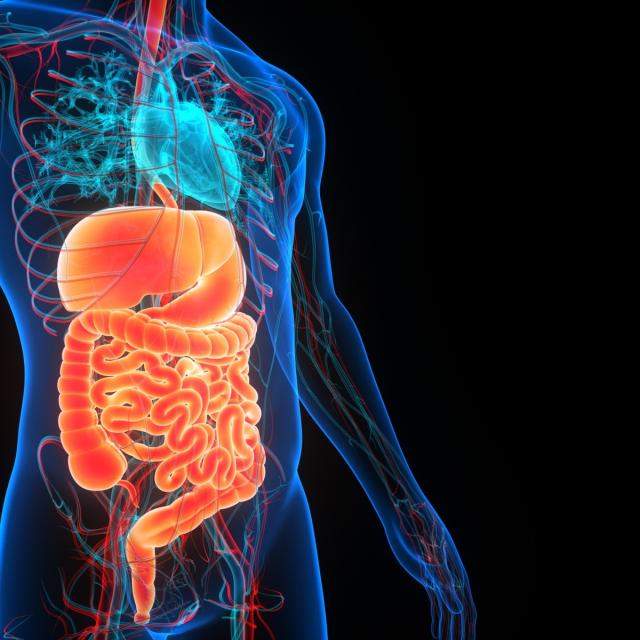
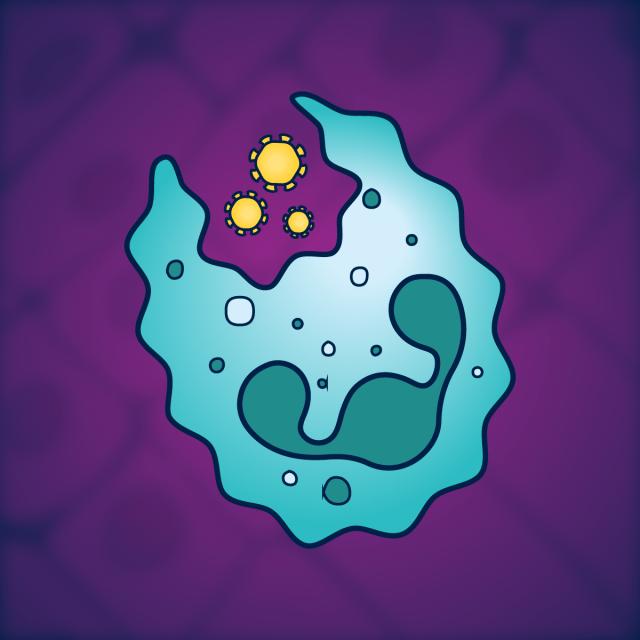
This course in the second A&P specialization uses a systems-based approach to human anatomy and physiology at the organ, organ system, and organism level. Two major body systems related to fluids and transportation will be explored in detail: the cardiovascular and lymphatic/immune systems.

Class Deals by MOOC List - Click here and see Coursera's Active Discounts, Deals, and Promo Codes.

Course material will cover both the structure (anatomy) and function (physiology) of each system with direct application to human development and disease.
After completing this course, you will be able to:

  1. Identify the major parts of the cardiovascular and lymphatic/immune systems;
  2. Describe normal human anatomy structure and function for the cardiovascular and lymphatic/immune systems;
  3. Relate anatomical structure and function at the cellular, tissue, organ, and body system levels to clinical diagnoses and dysfunction of the cardiovascular and lymphatic/immune systems.

This course is part of the Human Anatomy & Physiology II Specialization.

Syllabus

Welcome to Fluids, Transport, & Defense
The Cardiovascular System
Blood, Vessels, and Pressure
The Lymphatic & Immune System
Course Final Assessments & Summary

Go to Class
MOOC List is learner-supported. When you buy through links on our site, we may earn an affiliate commission.
Related Courses

EMT Foundations (Coursera) Coursera
University of Colorado System

EMT Foundations (Coursera)

In this course, you will get a thorough introduction to the emergency medical services system, and learn the foundation components to how it works as a whole. You will also learn the nuts and bolts of becoming a healthcare provider, and gain some basic knowledge about the human body.

Aug 31st 2026
5-12 Weeks
Medical Terminology and the Human Body Fundamentals (Coursera) Coursera
MedCerts

Medical Terminology and the Human Body Fundamentals (Coursera)

In this Introduction to Medical Terminology and the Human Body course, you will learn about the medical language that is used to describe the human body. Throughout each Lesson, the roots of terms are explained to help students understand how medical terminology works in healthcare and to increase their knowledge and understanding of the material discussed.

Aug 31st 2026
4 Weeks
Non-Alcoholic Fatty Liver Disease – The Essentials (Coursera) Coursera
University of Copenhagen

Non-Alcoholic Fatty Liver Disease – The Essentials (Coursera)

Non-Alcoholic Fatty Liver Disease (NAFLD) is a global problem, affecting up to 25% of all individuals. The disease not only increases the risk of liver disease, but also of cardiovascular disease and liver cancer. During this course, you will learn the essentials of NAFLD. We will begin with an introduction to the physiology of the human liver followed by epidemiology, pathophysiology, clinical medicine, and genetics. Diagnosing NAFLD based on blood tests, diagnostic imaging and histology will be discussed. Complications and treatment options will also be covered in this course including the link between NAFLD and the development of diabetes. Finally, experts will discuss data driven identification of new biomarkers by omics technologies.

Sep 14th 2026
5-12 Weeks
Voice Disorders: What Patients and Professionals Need to Know (Coursera) Coursera
Icahn School of Medicine at Mount Sinai

Voice Disorders: What Patients and Professionals Need to Know (Coursera)

Knowledge regarding vocal production physiology and management options for voice disorders have experienced rapid growth over the past 40 years. This growth has resulted in a knowledge gap amongst patients and practitioners. Entirely new subspecialties of laryngology under otolaryngology and vocology under speech-language pathology have developed in response to this gap. This MOOC (Massive Open Online Course) is designed to educated patients, allied healthcare providers, vocal trainers/coaches, general medical practitioners and otolaryngologists.

Aug 31st 2026
5-12 Weeks
The Heart, Blood, and Lungs (Coursera) Coursera
MedCerts

The Heart, Blood, and Lungs (Coursera)

In this course on The Heart, Blood, and Lungs, you will learn about the wonderful diversity of the cardiovascular, immune, and respiratory systems and the medical language that is used to describe these systems. Throughout each Lesson, the roots of terms are explained to help students understand how medical terminology works in healthcare and to increase their knowledge and understanding of the material discussed.

Aug 24th 2026
3 Weeks
Engineering Health: Introduction to Yoga and Physiology (Coursera) Coursera
New York University Tandon School of Engineering

Engineering Health: Introduction to Yoga and Physiology (Coursera)

This course gives you access to an exploration of physiological systems from the perspective of overall health and wellness. In particular, a focus on yoga, meditation and mindfulness as a therapeutic intervention in chronic illness and long term treatment. This course is intended for yoga practitioners and teachers, as well as college students and medical practitioners looking for a deeper understanding of the physiological benefits of yoga.

Aug 31st 2026
5-12 Weeks
Medical Terminology, Anatomy, and Physiology Fundamentals (Coursera) Coursera
MedCerts

Medical Terminology, Anatomy, and Physiology Fundamentals (Coursera)

In this Introduction to Medical Terminology and the Human Body course, you will learn about the medical language that is used to describe the human body. Throughout each Lesson, the roots of terms are explained to help students understand how medical terminology works in healthcare and to increase their knowledge and understanding of the material discussed.

Aug 24th 2026
4 Weeks
Vital Signs: Understanding What the Body Is Telling Us (Coursera) Coursera
University of Pennsylvania

Vital Signs: Understanding What the Body Is Telling Us (Coursera)

The vital signs – heart rate, blood pressure, body temperature, respiration rate, and pain – communicate important information about the physiological status of the human body. In this six-part course we explore the anatomy and physiology underlying the vital signs so that you will develop a systematic, integrated understanding of how the body functions.

Aug 24th 2026
5-12 Weeks
Developing the SIR Model (Coursera) Coursera
Imperial College London

Developing the SIR Model (Coursera)

Compartmental modelling is a cornerstone of mathematical modelling of infectious diseases and this course will introduce some of the basic concepts in building compartmental models, including how to interpret and represent rates, durations and proportions. You'll learn to place the mathematics to one side and concentrate on gaining intuition into the behaviour of a simple epidemic, and be introduced to further basic concepts of infectious disease epidemiology, such as the basic reproduction number (R0) and its implications for infectious disease dynamics.

Aug 24th 2026
4 Weeks
Advanced Neurobiology I (Coursera) Coursera
Peking University

Advanced Neurobiology I (Coursera)

Hello everyone! Welcome to advanced neurobiology! Neuroscience is a wonderful branch of science on how our brain perceives the external world, how our brain thinks, how our brain responds to the outside of the world, and how during disease or aging the neuronal connections deteriorate. We’re trying to understand the molecular, cellular nature and the circuitry arrangement of how nervous system works.

Aug 24th 2026
5-12 Weeks
Medical Terminology II (Coursera) Coursera
Rice University

Medical Terminology II (Coursera)

This is the second course of the Medical Terminology specialization. It builds on the basic concepts of medical terminology with the introduction of new roots, terms, and abbreviations specific to the endocrine system (hormones). The body's transportation and defense systems (cardiovascular, blood, and lymphatic) will also be covered as well as the respiratory system (lungs).

Aug 24th 2026
4 Weeks
Anatomy: Cardiovascular, Respiratory and Urinary Systems (Coursera) Coursera
University of Michigan

Anatomy: Cardiovascular, Respiratory and Urinary Systems (Coursera)

In this anatomy course, part of the Anatomy Specialization, you will explore the interactive relationships of the cardiovascular, respiratory and urinary systems, and the roles they play in your body. This course is a primer for the cardiovascular, respiratory, and urinary systems in which students learn the pertinent details of the structures and functions through a combination of lectures, videos, labeling activities and quizzes.

Aug 24th 2026
4 Weeks