Energy Systems Integration: An Introduction (FutureLearn)

Offered by EIT InnoEnergy,
Energy Systems Integration: An Introduction (FutureLearn)

Discover innovative sustainable energy systems solutions and explore an integrated perspective on the energy market.Learn how sustainable energy systems interact and solve big energy challenges. With the rising cost of energy and the threat of climate change on energy security, the world is facing critical energy challenges. On this course, you will explore sustainable energy solutions, and build skills to develop, plan and operate an integrated sustainable energy system.

Class Deals by MOOC List - Click here and see FutureLearn's Active Discounts, Deals, and Promo Codes.

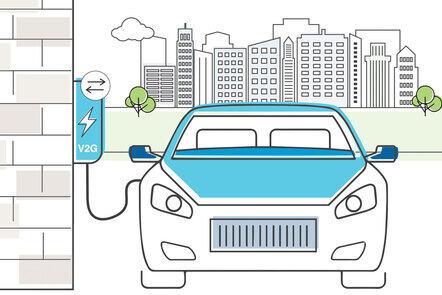
You will learn how energy systems interact and how to relate your energy expertise to the wider framework of energy transition. You’ll look at the integration and regulation of energy systems as well as the impact of electromobility, the future of electric power systems, and the psychology of consumer behaviour.

Learning on this course
You can take this self-guided course and learn at your own pace. On every step of the course you can meet other learners, share your ideas and join in with active discussions in the comments.

What will you achieve?
By the end of the course, you'll be able to...

  • Explain the added value of energy systems integration
  • Identify where ESI is most valuable within the energy system
  • Describe energy systems integration with an example that includes more than one type of coupling
  • Evaluate the importance of a cost-benefit analysis for a given energy systems integration problem
  • Explore long-term benefits/drawbacks and short-term benefits/drawbacks of energy systems integration

Who is the course for?
This course is for anyone with an interest in sustainable development and a basic understanding of how energy markets work. This course will also benefit professionals working in the energy sector.
Go to Class
MOOC List is learner-supported. When you buy through links on our site, we may earn an affiliate commission.

Related Courses

Física: Vectores, Trabajo y Energía (Coursera) Coursera
Tecnológico de Monterrey

Física: Vectores, Trabajo y Energía (Coursera)

Este curso provee al estudiante con conceptos y herramientas matemáticas para modelar problemas en física, que al aplicar podrá enfrentar con éxito los cursos de física universitarios. Así pues, la filosofía de este curso consiste en cubrir temas conceptuales relativos a la Física y desarrollar tu capacidad de aprender y aplicarlos en tu vida profesional.

Jun 22nd 2026
5-12 Weeks
Battery Storage Technology: Opportunities and Uses (FutureLearn) FutureLearn
EIT InnoEnergy

Battery Storage Technology: Opportunities and Uses (FutureLearn)

Explore battery storage technology - how and why it works, and how it could revolutionise the European energy landscape. Could battery storage technology be the answer to energy demands? Imbalances in power supply, combined with rising energy demands pose a growing risk. But the emerging field of ‘battery storage’ could be the solution.

No sessions available
3 Weeks
Exploring the World of Electric Mobility: Key Concepts and Strategies (FutureLearn) FutureLearn
RWTH Aachen,Transforming Urban Mobility Initiative - TUMI,GIZ,PEM Motion

Exploring the World of Electric Mobility: Key Concepts and Strategies (FutureLearn)

Explore concepts, policies, and innovations in electric mobility to help decarbonise and build more sustainable transport systems. Learn how e-mobility can help create sustainable cities. Electric mobility is crucial for making urban transport greener and more sustainable. But with recommendations and policies on electric vehicles evolving rapidly, it can be hard to know what’s what in the world of e-mobility. This six-week course from the Transformative Urban Mobility Initiative (TUMI) provides a comprehensive overview of issues relating to electric mobility.

Oct 7th 2024
5-12 Weeks
Thermodynamics in Energy Engineering (FutureLearn) FutureLearn
Hanyang University

Thermodynamics in Energy Engineering (FutureLearn)

Understand the basic thermodynamic principles widely used in many engineering fields: temperature, free energy and entropy. This free online course introduces the basic thermodynamic principles that are widely used in many engineering fields. It will prepare you for degree-level study, by helping you understand and apply thermodynamic fundamentals through real-world, problem-solving exercises.

No sessions available
5-12 Weeks
Transforming Energy Systems: Why Governance Matters (FutureLearn) FutureLearn
University of Exeter

Transforming Energy Systems: Why Governance Matters (FutureLearn)

Tackling climate change demands profound and rapid energy system transformation. Discover how effective governance enables this. Understand the importance of governance for rapid energy system decarbonisation. Energy governance includes the rules, regulations, institutions and politics that affect energy system change. Effective governance is key to the transformation of energy systems in order to tackle climate change with the urgency that’s needed.

Available Now
4 Weeks
Solving the Energy Puzzle: A Multidisciplinary Approach to Energy Transition (FutureLearn) FutureLearn
University of Groningen

Solving the Energy Puzzle: A Multidisciplinary Approach to Energy Transition (FutureLearn)

Learn how to analyse energy transition cases from technological, legal, economics, spatial, and social perspectives. Since the discovery of fire, mankind has used various energy sources to aid our development. The energy system has been continually changing, as the economy and technology progress. Today, energy systems are confronted with pressing global challenges: climate protection; economic and social development; poverty eradication; adequate food production; health for all; and the conservation of ecosystems, peace and security. A major transformation – an energy transition - is required to address these challenges.

No sessions available
5-12 Weeks
Mechanics: Motion, Forces, Energy and Gravity, from Particles to Planets (Coursera) Coursera
UNSW Sydney - University of New South Wales

Mechanics: Motion, Forces, Energy and Gravity, from Particles to Planets (Coursera)

Most of the phenomena in the world around you are, at the fundamental level, based on physics, and much of physics is based on mechanics. Mechanics begins by quantifying motion, and then explaining it in terms of forces, energy and momentum. This allows us to analyse the operation of many familiar phenomena around us, but also the mechanics of planets, stars and galaxies.

Jun 22nd 2026
5-12 Weeks
Energy Justice: Fostering More Equitable Energy Futures (Coursera) Coursera
Dartmouth College

Energy Justice: Fostering More Equitable Energy Futures (Coursera)

Are you motivated by the idea that social justice can be served by the energy transition, but are not sure how to make this happen? Do you want to grow your ability to recognize - and do something about - injustice in the energy space? Are you a sustainability or environmental professional eager to help design just energy systems? Do you wonder how to help advance equity in your community’s energy decisions? This course is for you!

Jun 22nd 2026
3 Weeks
Battery Storage: Understanding the Battery Revolution (FutureLearn) FutureLearn
KIC InnoEnergy

Battery Storage: Understanding the Battery Revolution (FutureLearn)

Learn about the importance of energy storage and understand the role of batteries and battery technology. Learn about the importance of energy storage. What is energy storage, and why is it so important? On this course, you will learn about the most promising energy storage technologies, such as batteries, and how they can affect the future of the transportation and power sectors. As you’ll see, the rising global demand for a stable energy supply requires flexible energy storage.

Available now
3 Weeks
From the Big Bang to Dark Energy (Coursera) Coursera
The University of Tokyo

From the Big Bang to Dark Energy (Coursera)

We have learned a lot recently about how the Universe evolved in 13.7 billion years since the Big Bang. More than 80% of matter in the Universe is mysterious Dark Matter, which made stars and galaxies to form. The newly discovered Higgs-boson became frozen into the Universe a trillionth of a second after the Big Bang and brought order to the Universe.

Jun 15th 2026
4 Weeks