The Science of Nuclear Energy (FutureLearn)

Offered by The Open University,
The Science of Nuclear Energy (FutureLearn)

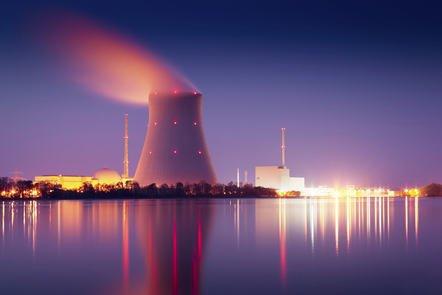
Discover the science behind nuclear energy and its role in energy provision in the past, present and future. Understand the science of nuclear power and the arguments for and against it. With the need to reduce carbon emissions around the world, the way we generate our power has to change and nuclear energy is back on the political agenda.

Class Deals by MOOC List - Click here and see FutureLearn's Active Discounts, Deals, and Promo Codes.

But do you know your fission from your fusion? Would you like to make an informed decision about whether we should get electricity from nuclear power?
This online course will delve into the science behind nuclear power, explaining what happens inside a nuclear reactor and what radioactive elements are.
It will explore the arguments for and against nuclear power, and its role in future energy planning alongside other energy sources.

What topics will you cover?

  • Atomic physics and the nature of isotopes and radioactivity. The processes of fission and fusion.
  • The distinction between energy of power and the increasing need to generate electrical power
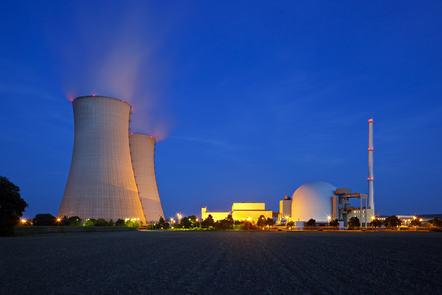
  • The use of nuclear fission in power stations. The production of radioactive waste and some solutions
  • The cause of nuclear incidents in the past, the effect on the environment and local populations.
  • The national grid and possible energy sources.
  • Future developments in the technology that harnesses nuclear fission and fusion.

What will you achieve?
By the end of the course, you'll be able to...

  • Demonstrate an understanding of the physics of nuclear fission.
  • Explore how a nuclear power station works.
  • Explore and examine the problems associated with nuclear power. Weigh up and debate potential solutions to these problems.
  • Assess the energy needs today and the part that nuclear power has to play.
  • Compare and survey current and future technologies.
Go to Class
MOOC List is learner-supported. When you buy through links on our site, we may earn an affiliate commission.

Related Courses

Education on climate change, energy and ecological footprint (Coursera) Coursera
Inter-American Development Bank - IDB

Education on climate change, energy and ecological footprint (Coursera)

This course explores key concepts of climate change, such as climate, terrestrial systems, and energy. Their relationships are analyzed, and a diagnosis is proposed to promote school awareness of the short-term and long-term causes and effects of climate change. Additionally, the identification of local and global actions to mitigate it is encouraged.

Jun 22nd 2026
2 Weeks
Thermodynamics in Energy Engineering (FutureLearn) FutureLearn
Hanyang University

Thermodynamics in Energy Engineering (FutureLearn)

Understand the basic thermodynamic principles widely used in many engineering fields: temperature, free energy and entropy. This free online course introduces the basic thermodynamic principles that are widely used in many engineering fields. It will prepare you for degree-level study, by helping you understand and apply thermodynamic fundamentals through real-world, problem-solving exercises.

No sessions available
5-12 Weeks
Electrical Industry: Production and Economics (FutureLearn) FutureLearn
University of Padova

Electrical Industry: Production and Economics (FutureLearn)

Understand how the electricity system has developed over time, see what the future holds and the need to move to decarbonisation. Discover how electricity is produced and exchanged and the reasons behind it. This innovative, three-week course from the University of Padova is designed to illustrate how electricity is produced, and exchanged, and why.

Available now
4 Weeks
Solving the Energy Puzzle: A Multidisciplinary Approach to Energy Transition (FutureLearn) FutureLearn
University of Groningen

Solving the Energy Puzzle: A Multidisciplinary Approach to Energy Transition (FutureLearn)

Learn how to analyse energy transition cases from technological, legal, economics, spatial, and social perspectives. Since the discovery of fire, mankind has used various energy sources to aid our development. The energy system has been continually changing, as the economy and technology progress. Today, energy systems are confronted with pressing global challenges: climate protection; economic and social development; poverty eradication; adequate food production; health for all; and the conservation of ecosystems, peace and security. A major transformation – an energy transition - is required to address these challenges.

No sessions available
5-12 Weeks
Carbon Markets: Examining EU Policies for Transnational Climate Action (FutureLearn) FutureLearn
European University Institute - EUI

Carbon Markets: Examining EU Policies for Transnational Climate Action (FutureLearn)

Explore the current policies being created by the EU and assess their efficacy in promoting global climate action. Understand and evaluate the steps taken to create a climate policy framework. As the impact of climate change continues to affect our planet, it’s imperative that our global community fights to reduce their emissions and live sustainably.

Feb 28th 2022
5-12 Weeks
Renewable Energy: Sustainable Electricity Supply with Microgrids (FutureLearn) FutureLearn
University of Leeds

Renewable Energy: Sustainable Electricity Supply with Microgrids (FutureLearn)

Explore approaches to electrification, microgrids, and how to harness this form of renewable energy to achieve sustainability. Learn and assess different electrification approaches from around the world. On this two-week course, you will learn how electricity is generated globally and explore different approaches to electrification. You will then learn technical aspects of electrification options via a national grid, off grid, micro and mini grids and reflect on the barriers to affordable, clean and fair access to electricity.

Sep 23rd 2024
2 Weeks
Particle Dynamics (Coursera) Coursera
Korea Advanced Institute of Science and Technology - KAIST

Particle Dynamics (Coursera)

This course teaches dynamics, one of the basic mechanics subjects of Mechanical Engineering. Students would be able to organize their knowledge about force and motion, work-energy, impulse-momentum in view of Newton's 2nd law and its integration over time and displacement. The Engineering Dynamics consists of two parts: particle dynamics and rigid body dynamics.

Jun 22nd 2026
13-24 Weeks
Global Resource Politics: the Past, Present and Future of Oil, Gas and Shale (FutureLearn) FutureLearn
Hanyang University

Global Resource Politics: the Past, Present and Future of Oil, Gas and Shale (FutureLearn)

Understand the critical energy challenges the world faces and analyse the political economy of the global energy industry. Energy is often said to be the lifeblood of modern society. Multiple sea changes are currently afoot in the global economy, at the heart of which lies energy.

No sessions available
5-12 Weeks