Iversity

iversity.org is the European platform for online learning that enables universities to share a broad range courses with students from around the globe, providing them with the opportunity to earn recognised credentials, no matter where they are. This new dimension of learning is what we describe with the phrase: “study anywhere”.
We work in close cooperation with instructors, higher education institutions and knowledge-based companies to provide high-quality courses that are engaging, interactive and fun.
These online courses (so-called MOOCs) offer unprecedented opportunities for students and professors alike. They enable professors to experiment with innovative teaching formats and provide students and independent learners with a customised higher education experience: a digital Erasmus for everyone.
Our aim is not to replace universities, but to empower academics. Being based in Europe, we are specialised in working within the existing legal and administrative infrastructure and specifically the European Credit Transfer and Accumulation System (ECTS). Some of our partner institutions already award ECTS credits to online learners taking their courses on our platform.
In summary: iversity makes higher education more accessible, more affordable and more personalised.

Filter Courses within "Iversity" (Click to filter)
Why Do People Migrate? Part 1: Facts (iversity) Iversity
European University Institute - EUI

Why Do People Migrate? Part 1: Facts (iversity)

Dive into the basics of irregular migration with our introductory course 'Why Do People Migrate? Part 1: Facts'. Learn about the distinctions between asylum seeking and irregular migration, explore real-world examples through case studies, and gain valuable knowledge from expert interviews. Equip yourself with essential tools and terminology to understand the complexities of global migration patterns.

Self Paced
Self-Paced
Why Do People Migrate? Part 2: Theories (iversity) Iversity
European University Institute - EUI

Why Do People Migrate? Part 2: Theories (iversity)

Discover the intricate world of human migration with our specialized course, 'Why Do People Migrate? Part 2: Theories'. This course will equip you with a deep understanding of the theories behind migration decisions, helping you grasp the complex reasons why people move. Whether you're an academic, policy maker or simply curious about global mobility, this course offers valuable insights into how and why migration occurs.

Self-Paced
Self-Paced
Thinking Complexity (iversity) Iversity
Toulouse Business School

Thinking Complexity (iversity)

Embark on a fascinating journey into the realm of complexity with our Thinking Complexity course. Designed for curious minds, this course offers engaging examples, effective methods, and interactive exercises that will equip you with the skills needed to tackle complex problems in the 21st century. Whether you're a student, professional, or enthusiast, this course is your gateway to understanding the intricate systems that shape our world.

Self-Paced
Self-Paced
New Business Models - Working Together on Value Creation (iversity) Iversity
Radboud University Nijmegen

New Business Models - Working Together on Value Creation (iversity)

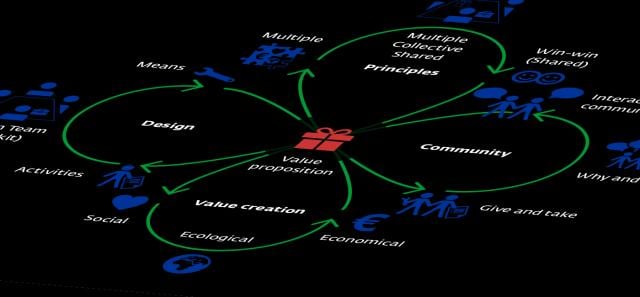
Embark on a transformative journey with 'New Business Models - Working Together on Value Creation' and learn the art of developing innovative, sustainable business models. This course will guide you through the entire process of ideation, development, testing, and implementation, ensuring that you can apply your newfound knowledge immediately to drive value for your organization.

Self-Paced
Self-Paced
Cultures and Identities in Europe - Past, Present and Future (iversity) Iversity
European University Institute - EUI

Cultures and Identities in Europe - Past, Present and Future (iversity)

Discover the fascinating interplay between culture and identity across European history, present-day society, and future trends. This course unravels the complex layers that define Europe today, examining how past legacies influence current institutions and policies while looking ahead at emerging identities.

Self-Paced
Self-Paced
‹ Previous Page 7