Transmitting and Fighting Infectious Diseases (Coursera)

Offered by University of Leeds,
Transmitting and Fighting Infectious Diseases (Coursera)

Understanding how pathogens cause infections and how infectious diseases are transmitted is crucial for preventing and controlling the spread of illnesses. In this course, you will learn how diseases like the common flu spread, the mechanisms behind bacterial resistance, the body's defence mechanisms, and the importance of immunization.

Class Deals by MOOC List - Click here and see Coursera's Active Discounts, Deals, and Promo Codes.

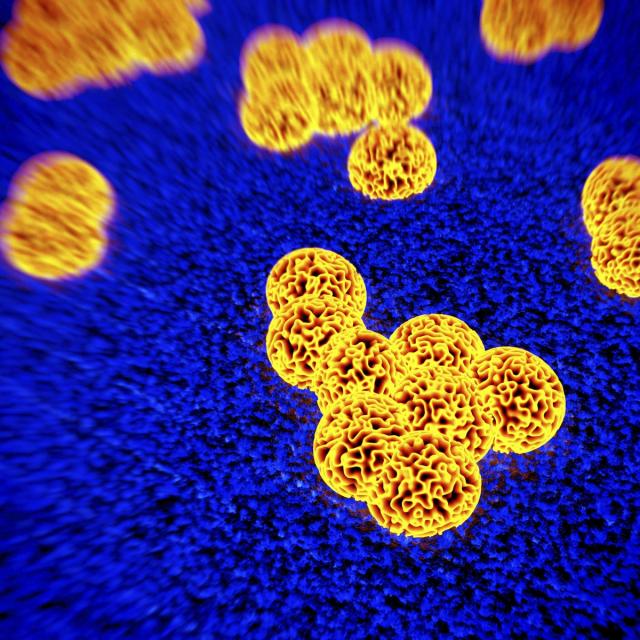
You will understand what pathogens like bacteria, viruses, fungi, or parasites are and discover how antibiotics work. You will then explore what causes resistance to antibiotics, a significant and growing problem worldwide, as it can make the treatment of bacterial infections more challenging and, in some cases, ineffective.
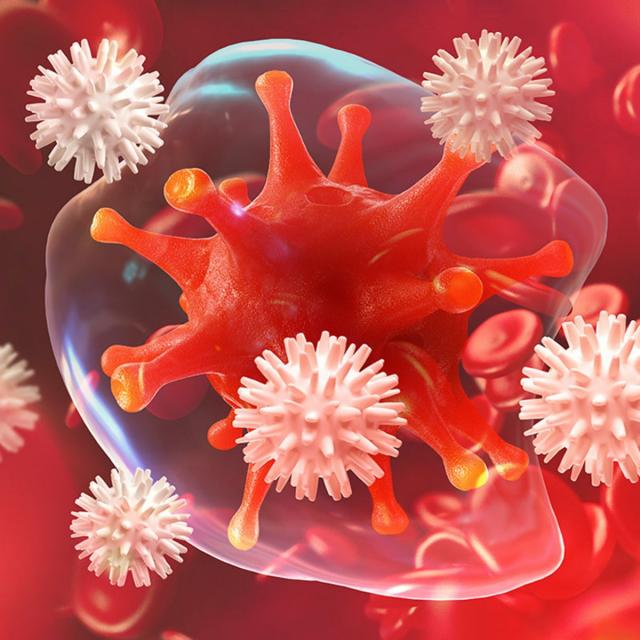
The immune system is a complex network of cells, tissues, and organs working together to defend the body against harmful invaders like bacteria, viruses, fungi, and other pathogens. The course will help you understand the immune system's main components and how the innate and adaptive immune responses fight invading pathogens. You will explore immunisation and how it triggers the immune system to remember pathogens.

What you'll learn

  • Compare bacteria, viruses and parasites as causes of infectious disease.
  • Describe different modes of transmission of infectious agents.
  • Understand what an antibiotic is and explain what is meant by resistance to antibiotics.
  • Explain the basic components of the immune system and how it fights invading pathogens.

Syllabus

Infectious diseases
Welcome to the Transmitting and Fighting Infectious Diseases course. This course explores infectious diseases, how they are transmitted and how they can be treated.

The immune system
This week you will explore how the human body fights infections and how immunisation has reduced the occurrence of common infectious diseases.


Go to Class
MOOC List is learner-supported. When you buy through links on our site, we may earn an affiliate commission.

Related Courses

COVID-19 - A clinical update (Coursera) Coursera
University of Florida

COVID-19 - A clinical update (Coursera)

As an expert in infectious diseases, editor of the Journal of Infectious Diseases and author of the textbook Infectious Diseases: A clinical short course, McGraw-Hill April 2020, I have been concerned about the misinformation being shared about the COVID-19 epidemic. How did this disease develop? Where did it come from? How does it cause diseases? The answers to these questions will be answered in the first video of module 1.

Sep 11th 2026
4 Weeks
Infectious Disease Transmission Models for Decision-Makers (Coursera) Coursera
Johns Hopkins University

Infectious Disease Transmission Models for Decision-Makers (Coursera)

During the COVID-19 pandemic, both the promise and perils of using infectious disease transmission models to make public health policy decisions became clearer than ever. Optimal use of modeled output requires that public health policy makers be informed consumers of models, that they understand the strengths and limitations of possible approaches, and they know the right questions to ask about the vulnerabilities of the model results. **Free enrollment available until July 30, 2025. Valid for one enrollment per person.**

Aug 31st 2026
1 Week
An Introduction to Global Health (Coursera) Coursera
University of Copenhagen

An Introduction to Global Health (Coursera)

This course will provide you with an overview of the most important health challenges facing the world today. You will gain insight into how challenges have changed over time, we will discuss the likely determinants of such changes and examine future projections. Successful international strategies and programs promoting human health will be highlighted and global health governance structures will be mapped and the role of the key actors explored.

Aug 31st 2026
5-12 Weeks
Fundamentals of Immunology: Innate Immunity and B-Cell Function (Coursera) Coursera
Rice University

Fundamentals of Immunology: Innate Immunity and B-Cell Function (Coursera)

Course 1 of a three course specialization called Fundamentals of Immunology. Each course in the specialization presents material that builds on the previous course's material. This is the first leg of a three-part journey through the defenses your body uses to keep you healthy. In this part we hope to give you the vocabulary and concepts you need to interact with the medical community and to provide them in a context that makes them memorable.

Aug 24th 2026
5-12 Weeks
Antibióticos ¿cuándo, cómo y para qué? (Coursera) Coursera
Universidad Nacional Autónoma de México

Antibióticos ¿cuándo, cómo y para qué? (Coursera)

¿Qué es lo primero que haces cuándo te sientes enfermo? ¿Vas a la farmacia y le pides al boticario que te brinde un antibiótico que te “cure” rápidamente? ¿Tus familiares, amigos, conocidos, lo hacen? En este curso, aprenderás las razones por las cuales el uso inadecuado de antibióticos es perjudicial para tu salud y por qué este comportamiento ha dado lugar al fenómeno de salud pública denominado “resistencia bacteriana”.

Aug 24th 2026
4 Weeks
Strategies for Assisted Living Communities during COVID-19 (Coursera) Coursera
Johns Hopkins University

Strategies for Assisted Living Communities during COVID-19 (Coursera)

SARS-CoV-2, the virus that causes COVID-19, poses a high risk for assisted living communities due to residents’ age, health status, and communal living environment. The COVID-19 response has largely focused on nursing homes, leaving assisted living communities in the United States with fragmented guidance on how to respond to COVID-19 challenges. This course provides comprehensive instruction and resources for administrators and direct-care staff of assisted living communities.

Sep 14th 2026
1 Week
Epidemiology: The Basic Science of Public Health (Coursera) Coursera
University of North Carolina

Epidemiology: The Basic Science of Public Health (Coursera)

Often called “the cornerstone” of public health, epidemiology is the study of the distribution and determinants of diseases, health conditions, or events among populations and the application of that study to control health problems. By applying the concepts learned in this course to current public health problems and issues, students will understand the practice of epidemiology as it relates to real life and makes for a better appreciation of public health programs and policies. This course explores public health issues like cardiovascular and infectious diseases – both locally and globally – through the lens of epidemiology.

Sep 14th 2026
5-12 Weeks
Interventions and Calibration (Coursera) Coursera
Imperial College London

Interventions and Calibration (Coursera)

This course covers approaches for modelling treatment of infectious disease, as well as for modelling vaccination. Building on the SIR model, you will learn how to incorporate additional compartments to represent the effects of interventions, such the effect of vaccination in reducing susceptibility. You will learn about ‘leaky’ vaccines and how to model them, as well as different types of vaccine and treatment effects.

Aug 24th 2026
4 Weeks
Immunology: Adaptive Immune System (Coursera) Coursera
Imperial College London

Immunology: Adaptive Immune System (Coursera)

In this course, you will learn about the role of immune responses of the adaptive (acquired) immune system which provides specialised immunity against pathogens. Guided by our researchers in the Department of Immunity and Inflammation, we will take a closer look at the lymphocyte subsets and mechanisms involved in this delayed finely tuned response occurring days to weeks after the initial exposure to microbial antigens.

Aug 24th 2026
5-12 Weeks
Antibiotic Stewardship (Coursera) Coursera
Stanford University

Antibiotic Stewardship (Coursera)

Antibiotics are among the most frequently prescribed classes of drugs and it is estimated that approximately 50% of antibiotic use, in both the outpatient and inpatient settings, is inappropriate. At the same time, in contrast to any other class of drugs, every antibiotic use has a potential public health consequence – inappropriate use may not harm only the individual patient, but contributes to societal harm by exerting an unnecessary selective pressure that may lead to antibiotic resistance among bacteria. This video based course will introduce learners to the basic principles of appropriate antibiotic use, demonstrate how to apply these principles to the management of common infections, and outline how to develop and maintain an antimicrobial stewardship program.

Sep 14th 2026
4 Weeks
Foundations of Public Health Practice: Health Protection (Coursera) Coursera
Imperial College London

Foundations of Public Health Practice: Health Protection (Coursera)

The Health Protection course is the fourth instalment of the wider Foundations of Public Health Practice specialisation from Imperial College London's Global Master of Public Health (MPH). The scope and content of this course has been developed from the ground up by a combined team of academics and practitioners drawing on decades of real-world public health experience as well as deep academic knowledge. Through short video lectures, practitioner interviews and a wide range of interactive activities, learners will be immersed in the world of public health practice.

Aug 24th 2026
3 Weeks