Traditional herbal medicine in supportive cancer care: From alternative to integrative (Coursera)

Traditional herbal medicine in supportive cancer care: From alternative to integrative (Coursera)

Please join us for an exciting and innovative journey, examining one of the most important and often overlooked aspects of the oncology setting: Traditional Herbal Medicine in Supportive Cancer Care. This course is presented with short lectures offering a wide range of issues related to the principles and practice of herbal medicine in cancer care.

Class Deals by MOOC List - Click here and see Coursera's Active Discounts, Deals, and Promo Codes.

The course includes interviews with leading world experts from the field of Integrative Oncology, from the U.S. and Canada, as well as Europe, the Middle East, China and Japan.
By the end of the course, you will:
• Understand core concepts in Integrative Oncology, as they relate to the supportive/palliative cancer care setting
• Acquire effective communication skills which will foster a better understanding of patients' views on herbal medicine, while providing guidance on the safe and effective use of these products
• Be able to design, together with patients, caregivers and healthcare providers, a patient-tailored and cultural-sensitive integrative oncology treatment program, including the use of herbal medicine
• Be acquainted with leading "players" who can share their experience in creating and implementing an integrative oncology program
The course has been specially designed to provide information and guidance at a level appropriate for patients and non-medical participants, as well as medical professionals interested in receiving evidence-based guidance on the safety and effectiveness of herbal medicine in cancer care.

Syllabus

Week 1 - Introduction
Week 2 - Concepts related to supportive and palliative cancer care
Week 3 - Defining non-conventional approaches to medical treatment
Week 4 - Key concepts in traditional herbal medicine
Week 5 - Discussing the use of Traditional Herbal Medicine during the Integrative Physician (IP) consultation
Week 6 - Traditional Herbal Medicine in the Middle East: Historical and cultural roots
Week 7 - Traditional Chinese herbal medicine
Week 8 - Traditional Ayurvedic herbal medicine
Week 9 - European Herbal Medicine
Week 10 - Effective practitioner-patient communication in the integrative oncology setting
Week 11 - Herbal medicine treatments for specific quality of life-related concerns
Week 12 - Tailoring a patient-centered integrative oncology treatment program
Week 13 - Establishing an integrative oncology program in your medical center
Week 14 - Professor Eran Ben-ARYE is interviewing leading experts
Go to Class
MOOC List is learner-supported. When you buy through links on our site, we may earn an affiliate commission.

Related Courses

Childbirth: A Global Perspective (Coursera) Coursera
Emory University

Childbirth: A Global Perspective (Coursera)

This course will review challenges for maternal and newborn health in the developing world, where a great many women and babies are suffering from complications during pregnancy, childbirth, and the days following birth. Themes covered include the epidemiology of maternal and newborn mortality and morbidity, relevant issues for the global health workforce, community-based interventions to improve maternal and newborn health and survival, and sociocultural dynamics surrounding birth.

Oct 19th 2026
5-12 Weeks
Case Studies in Personalized Medicine (Coursera) Coursera
Vanderbilt University

Case Studies in Personalized Medicine (Coursera)

Learn how advances in biomedicine hold the potential to revolutionize drug development, drug treatments, and disease prevention: where are we now, and what does the future hold? This course will present short primers in genetics and mechanisms underlying variability in drug responses. A series of case studies will be used to illustrate principles of how genetics are being brought to bear on refining diagnoses and on personalizing treatment in rare and common diseases. The ethical and operational issues around how to implement large scale genomic sequencing in clinical practice will be addressed.

Oct 12th 2026
5-12 Weeks
Medical Neuroscience (Coursera) Coursera
Duke University

Medical Neuroscience (Coursera)

Medical Neuroscience explores the functional organization and neurophysiology of the human central nervous system, while providing a neurobiological framework for understanding human behavior. In this course, you will discover the organization of the neural systems in the brain and spinal cord that mediate sensation, motivate bodily action, and integrate sensorimotor signals with memory, emotion and related faculties of cognition. The overall goal of this course is to provide the foundation for understanding the impairments of sensation, action and cognition that accompany injury, disease or dysfunction in the central nervous system. The course will build upon knowledge acquired through prior studies of cell and molecular biology, general physiology and human anatomy, as we focus primarily on the central nervous system.

Oct 12th 2026
13-24 Weeks
The Brain and Space (Coursera) Coursera
Duke University

The Brain and Space (Coursera)

This course is about how the brain creates our sense of spatial location from a variety of sensory and motor sources, and how this spatial sense in turn shapes our cognitive abilities. Knowing where things are is effortless. But “under the hood,” your brain must figure out even the simplest of details about the world around you and your position in it.

Oct 12th 2026
5-12 Weeks
PrEParing: PrEP for Providers and Patients (Coursera) Coursera
Johns Hopkins University

PrEParing: PrEP for Providers and Patients (Coursera)

Pre-Exposure Prophylaxis (PrEP) using the antiretroviral medication emtricitibine/tenofovir approved in countries around the world is a highly effective means of reducing transmission of HIV through sexual encounters and needle sharing. This Johns Hopkins University course PrEPares you with essential information, concepts and practical advice regarding PrEP from leaders in the field. A first of its kind learning opportunity, both providers and patients learn from the same experts through content that meets the needs of both audiences, while facilitating the opportunity for a shared community space.

Oct 12th 2026
5-12 Weeks
Clinical Kidney, Pancreas and Islet Transplantation (Coursera) Coursera
Leiden University,Leiden University Medical Center

Clinical Kidney, Pancreas and Islet Transplantation (Coursera)

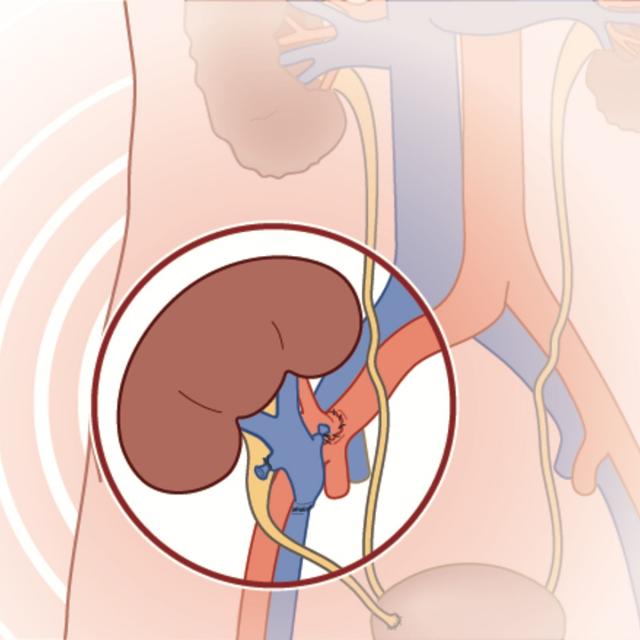
Kidney transplantation is a major advance of modern medicine which provides high-quality of life for patients with end-stage renal disease. What used to be an experimental, risky, and very limited treatment option more than 50 years ago is now routinely performed in many countries worldwide. The number of renal transplants is expected to rise sharply in the next decade since the proportion of patients with end stage renal disease is increasing.

Oct 12th 2026
4 Weeks
Population Health: Fundamentals of Population Health Management (Coursera) Coursera
Leiden University

Population Health: Fundamentals of Population Health Management (Coursera)

What are the principles of Population Health Management as a pro-active management approach to improve health and to tackle health disparities? In this course we will discuss the basic principles of Population Health Management that will help you as (future) health care professional or policymaker to analyse current healthcare challenges and to design possible solutions using the Population Health Management Approach.

Oct 12th 2026
4 Weeks
Impacting the Opioid Crisis: Prevention, Education, and Practice for Non-Prescribing Providers (Coursera) Coursera
University of Michigan

Impacting the Opioid Crisis: Prevention, Education, and Practice for Non-Prescribing Providers (Coursera)

This course will empower non-prescribing providers to directly impact the ongoing opioid crisis in the United States through increased knowledge and tools that will transform practice and policies. The course will inform you about the opioid epidemic and provide information and research about evidence-based strategies that are focused on prevention, intervention, education, or policy.

Oct 12th 2026
5-12 Weeks
Epidemics (Coursera) Coursera
University of Hong Kong

Epidemics (Coursera)

“If history is our guide, we can assume that the battle between the intellect and will of the human species and the extraordinary adaptability of microbes will be never-ending.” Despite all the remarkable technological breakthroughs that we have made over the past few decades, the threat from infectious diseases has significantly accelerated. In this course, we will learn why this is the case by looking at the fundamental scientific principles underlying epidemics and the public health actions behind their prevention and control in the 21st century.

Oct 12th 2026
5-12 Weeks
Chemicals and Health (Coursera) Coursera
Johns Hopkins University

Chemicals and Health (Coursera)

This course covers chemicals in our environment and in our bodies and how they impact our health. It addresses policies and practices related to chemicals, particularly related to how they get into our bodies (exposures), what they do when they get there (toxicology), how we measure them (biomonitoring) and their impact on our health. Most examples are drawn from the US.

Oct 12th 2026
5-12 Weeks
How Music Can Change Your Life (Coursera) Coursera
University of Melbourne

How Music Can Change Your Life (Coursera)

Did you ever wonder how music works? This course provides free video, audio and journal resources that explain six basic principles about how music can influence individual and community health and wellbeing. From biology and neuroscience, to psychotherapy and politics, the ways we engage with music can make all the difference. Music has always played an integral role in the lives of individuals and communities all around the globe.

Oct 12th 2026
5-12 Weeks
Drugs, drug use, drug policy and health (Coursera) Coursera
University of Geneva

Drugs, drug use, drug policy and health (Coursera)

This MOOC is the first of its kind, since it addresses critical issues related to drugs from a multidisciplinary, health and human rights-based approach. Throughout the course you will cover a range of questions including what are drugs and why they controlled? What are the benefits and harms of taking drugs? How public health policies can address drug use?

Oct 12th 2026
5-12 Weeks