Myocardial Infarction (Coursera)

Offered by University of Zurich,
Myocardial Infarction (Coursera)

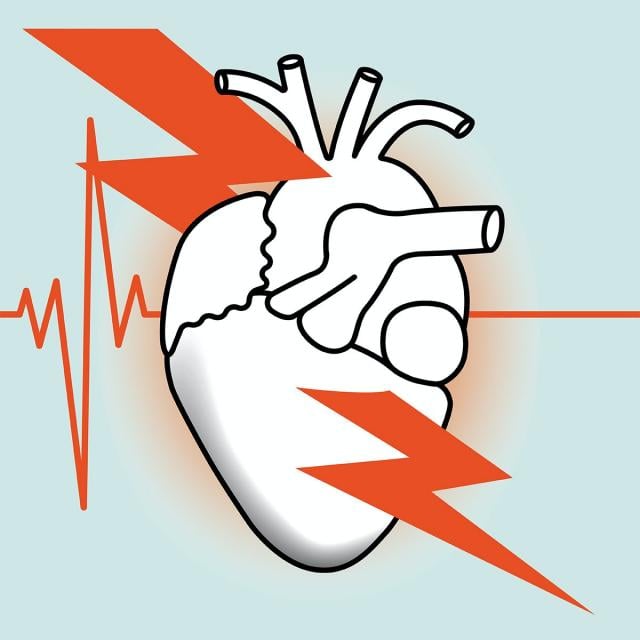
Cardiovascular diseases are – according to the (World Health Organization (WHO) – the number one cause of death globally. Myocardial infarction (heart attack) is the most prominent under the Cardiovascular diseases. In Switzerland alone, the risk to develop a coronary heart disease during life time is around 25% for men and 18% for women. Most cardiovascular diseases can be prevented by addressing behavioral risk factors, the understanding of these risk factors, their mechanisms and impact on the cardiovascular system.

Class Deals by MOOC List - Click here and see Coursera's Active Discounts, Deals, and Promo Codes.

In this context our course aims to approach the complex field of myocardial infarction in two respects: medical education and awareness of a broader audience.

Syllabus

WEEK 1
Our Heart and Cardiovascular System
This first module of this course focuses on the heart and the cardiovascular system. The first lecture covers the anatomy and function of the heart, explaining the basic glossary which you will encounter during this course. The second lecture displays the various types of blood vessels and arteries. This is helpful to understand the final lecture of this module: the sympathetic nervous system. This lecture will discuss the external influences that have a direct impact on our nervous system, including the physiological effects and clinical consequences.

WEEK 2
Risk Factors and Prevention of Cardiovascular Diseases
Whereas the first module focuses on different physiological aspects of the heart and the cardiovascular system, the second module considers several external risk factors which can cause a myocardial infarction. This module not only discusses the risks such as aging, smoking, hypertension, lipids and diabetes, but also explains which preventive measures can be employed to minimize the risk of a heart attack, for example, by focusing on physical exercise to increase life expectancy and the personal health.

WEEK 3
Acute Coronary Syndrome: Diagnosis & Early Management
This module focuses on different methods and approaches to deal with acute coronary syndrome, which in the worst case can lead to an acute heart attack. To provide you with a clearer idea of what can lead to myocardial infarction, this module concentrates on a variety of specific cardiac diseases, their mechanisms, the medical tools used to detect them, as well as on the appropriate therapeutic approach to prevent cardiac events.

WEEK 4
Acute Coronary Syndrome: Follow up and Rehabilitation
Module four illustrates the methods employed to improve cardiac rehabilitation. Moreover, this module focuses on the secondary prevention to avoid the risk of myocardial infarction. This involves the analysis of external and biological factors which can cause cardiac diseases and explains the mechanisms needed to change bad behavioral patterns. There are several factors in life which can be easily altered to improve the personal wellbeing and those are discussed in this section.

WEEK 5
Heart Failure: Final Stage of Coronary Heart Diseases
The last module focuses on the pathophysiological aspect of heart diseases by illustrating the chain of cause of heart failure. The module also explains how we can diagnose a potential heart failure by correctly analyzing the clinical symptoms and signs. Echocardiography is the most important tool to identify the condition of the heart and to diagnose heart failure. To minimize the risk of heart failure, it is important to inform the patients about possible therapeutic approaches. Therefore, the last part of this module discusses both medical and device therapies and introduces assist devices in correlation with transplantation as last possible treatment method.
Go to Class
MOOC List is learner-supported. When you buy through links on our site, we may earn an affiliate commission.

Related Courses

Case Studies in Personalized Medicine (Coursera) Coursera
Vanderbilt University

Case Studies in Personalized Medicine (Coursera)

Learn how advances in biomedicine hold the potential to revolutionize drug development, drug treatments, and disease prevention: where are we now, and what does the future hold? This course will present short primers in genetics and mechanisms underlying variability in drug responses. A series of case studies will be used to illustrate principles of how genetics are being brought to bear on refining diagnoses and on personalizing treatment in rare and common diseases. The ethical and operational issues around how to implement large scale genomic sequencing in clinical practice will be addressed.

Jun 22nd 2026
5-12 Weeks
Medical Neuroscience (Coursera) Coursera
Duke University

Medical Neuroscience (Coursera)

Medical Neuroscience explores the functional organization and neurophysiology of the human central nervous system, while providing a neurobiological framework for understanding human behavior. In this course, you will discover the organization of the neural systems in the brain and spinal cord that mediate sensation, motivate bodily action, and integrate sensorimotor signals with memory, emotion and related faculties of cognition. The overall goal of this course is to provide the foundation for understanding the impairments of sensation, action and cognition that accompany injury, disease or dysfunction in the central nervous system. The course will build upon knowledge acquired through prior studies of cell and molecular biology, general physiology and human anatomy, as we focus primarily on the central nervous system.

Jun 22nd 2026
13-24 Weeks
Organ Donation: From Death to Life (Coursera) Coursera
University of Cape Town

Organ Donation: From Death to Life (Coursera)

Considering someone for organ and tissue donation at the end of life is complicated. The boundary between life and death is more complex than ever before and it falls to medical professionals to help clarify a situation at an often confusing and emotionally stressful time. In this course you will learn about the science behind death determination and when is it possible for deceased organ donation take place.

Jun 22nd 2026
4 Weeks
Transgender Medicine for General Medical Providers (Coursera) Coursera
Icahn School of Medicine at Mount Sinai

Transgender Medicine for General Medical Providers (Coursera)

The course is a comprehensive set of didactic lectures surveying fundamentals of transgender medical and surgical treatment. The material is meant to provide the student with core knowledge that is essential for current primary care providers caring for transgender patients. There are 10 modules led by the expert clinical faculty from the pioneering Center for Transgender Medicine and Surgery, located within the Mount Sinai Health System and the Icahn School of Medicine at Mount Sinai in New York City.

Jun 15th 2026
5-12 Weeks
Big Data, Genes, and Medicine (Coursera) Coursera
The State University of New York

Big Data, Genes, and Medicine (Coursera)

This course distills for you expert knowledge and skills mastered by professionals in Health Big Data Science and Bioinformatics. You will learn exciting facts about the human body biology and chemistry, genetics, and medicine that will be intertwined with the science of Big Data and skills to harness the avalanche of data openly available at your fingertips and which we are just starting to make sense of.

Jun 22nd 2026
5-12 Weeks
Acute and Chronic Rhinosinusitis: A Comprehensive Review (Coursera) Coursera
Icahn School of Medicine at Mount Sinai

Acute and Chronic Rhinosinusitis: A Comprehensive Review (Coursera)

This course is designed to inform primary care physicians and general otolaryngologists about the differences between acute and chronic rhinosinusitis and how to distinguish and treat them. It is also applicable to individuals who wish to broaden their knowledge and vernacular about this disease process, especially those who may suffer from this condition.

Jun 15th 2026
5-12 Weeks
Principles of fMRI 1 (Coursera) Coursera
Johns Hopkins University

Principles of fMRI 1 (Coursera)

Functional Magnetic Resonance Imaging (fMRI) is the most widely used technique for investigating the living, functioning human brain as people perform tasks and experience mental states. It is a convergence point for multidisciplinary work from many disciplines. Psychologists, statisticians, physicists, computer scientists, neuroscientists, medical researchers, behavioral scientists, engineers, public health researchers, biologists, and others are coming together to advance our understanding of the human mind and brain. This course covers the design, acquisition, and analysis of Functional Magnetic Resonance Imaging (fMRI) data, including psychological inference, MR Physics, K Space, experimental design, pre-processing of fMRI data, as well as Generalized Linear Models (GLM’s).

Jun 22nd 2026
4 Weeks
Newborn Capstone (Coursera) Coursera
University of Colorado System

Newborn Capstone (Coursera)

Congratulations! You progressed your way through all four of the Newborn Baby Care courses, each with their own focal points on the many dimensions of maintaining newborn health in the first month of life. Now we arrive at a crucial part of your learning –the Newborn Baby Care Capstone- Case Studies, which is your opportunity to take what you have learned and synthesize, integrate, and apply what you know to a series of case studies. Interacting with these real-life scenarios will help you retain the specialization content and be ready to put it into practice in your own care-providing environment. Together we will experience key moments of the courses, this time through the lens of case studies.

Jun 22nd 2026
5-12 Weeks
Emergence of Life (Coursera) Coursera
University of Illinois at Urbana-Champaign

Emergence of Life (Coursera)

How did life emerge on Earth? How have life and Earth co-evolved through geological time? Is life elsewhere in the universe? Take a look through the 4-billion-year history of life on Earth through the lens of the modern Tree of Life. This course will evaluate the entire history of life on Earth within the context of our cutting-edge understanding of the Tree of Life. This includes the pioneering work of Professor Carl Woese on the University of Illinois Urbana-Champaign campus which revolutionized our understanding with a new "Tree of Life."

Jun 15th 2026
5-12 Weeks
Clinical Kidney, Pancreas and Islet Transplantation (Coursera) Coursera
Leiden University,Leiden University Medical Center

Clinical Kidney, Pancreas and Islet Transplantation (Coursera)

Kidney transplantation is a major advance of modern medicine which provides high-quality of life for patients with end-stage renal disease. What used to be an experimental, risky, and very limited treatment option more than 50 years ago is now routinely performed in many countries worldwide. The number of renal transplants is expected to rise sharply in the next decade since the proportion of patients with end stage renal disease is increasing.

Jun 22nd 2026
4 Weeks