EdX

Nutrition, Exercise and Sports (edX)

Nutrition, Exercise and Sports (edX)

Learn about Nutrition, Exercise and Sports and understand how nutrition can support exercise and sports performance. Are you involved in sports and do you want to have a better understanding of the role of nutrition on performance and health? Do you want to learn whether certain nutritional strategies could be relevant for your own athletic performance and/or muscle growth? Are you a dietitian, physiotherapist or a health/sport coach and do you want to be able to provide proper nutritional advice for your clients? Or, are you none of the above but interested in nutrition and sports and want to make your own informed decisions about your daily food intake? Then this online course is for you!

Class Deals by MOOC List - Click here and see EdX's Active Discounts, Deals, and Promo Codes.

Nutrition is crucial to live an active and healthy life, to support training, and to optimize performance. In this course, researchers and teachers from Wageningen University & Research will familiarize you with the nutritional aspects of exercise and sports. What are the basic concepts in exercise physiology and sport nutrition science? How is exercise being fueled for the different types of sports like; power sports, sprinting and endurance exercise? And how does protein support skeletal muscle mass and performance? In this course you will learn to estimate energy needs and understand thermoregulation and fluid balance. You will learn about the role of micronutrients and supplements in exercise performance. Moreover, you will be introduced to some health issues related to doing exercise.

This course also touches upon how the lessons learned from nutrition and sports research can be applied during ageing. For example, what are the benefits of extra protein in vulnerable age groups?
Be aware that this course will not tell you exactly what to eat. Instead, you will learn and understand the nutritional aspects of exercise and sport, so you can make your own informed decisions and critically evaluate nutritional advices and claims.

For whom?
This course is especially useful for:

  • Sport- and health coaches, Physiotherapists and Dietitians
  • People working in the (sport) food industry
  • Athletes and professional sporters
  • Everyone with a healthy appetite for knowledge about nutrition, exercise and sports

Ready to join the MOOC? This course contains several interesting and inspiring interviews with nutrition and sport professionals. It will provide basic understanding of Nutrition, Exercise and Sports, and contains challenging assignments that will give you insight in nutritional needs and performance benefits for (your) athletes, your clients or yourself.

What you'll learn

  • The key concepts of exercise physiology and sports nutrition science
  • Important nutritional aspects of exercise including energy, carbohydrates & fats, protein metabolism and fluid balance
  • Why certain nutritional strategies can enhance exercise and sports performance
  • The role of micronutrients and supplements in exercise and sports
  • The relationship between Exercise, Nutrition and Health, also during ageing
  • Develop a critical mind-set in the field of Nutrition, Exercise and Sports

Syllabus

Week 1 | Introduction to Sport Nutrition (Science)
Key topics:
An introduction into Sports, Exercise and Nutrition, including types of Sports, Sport Nutrition Pyramid. An introduction into Sport Nutrition Science - including empirical cycle, study designs, critical issues and performance measurements.

Week 2 | Skeletal Muscle, Exercise and Sports
Key topics:
An introduction into Skeletal muscle anatomy & physiology, including contraction and energy transfer. Exercise capacity: Power & Endurance. Cardiopulmonal system during Exercise

Week 3 | Energy and Fluid balance
Key topics:
Energy requirement, energy availability. Thermoregulation, Fluid balance, (de)hydration & rehydration strategies

Week 4 | Macronutrients
Key topics:
Carbohydrates & fats as energy source, nutritional strategies. Skeletal muscle protein metabolism and dietary protein intake.

Week 5 | Micronutrients and ergogenic supplements
Key topics:
Function of micronutrients and recommendations: Iron, Magnesium, calcium and Vitamins D and B. Ergogenic supplements and sports performance

Week 6 | Exercise and Nutrition during ageing
Key topics:
Skeletal muscle and ageing, Protein & Exercise in older adults, Intervention strategies

Prerequisites:
Basis knowledge about nutrition.
If you have no basic knowledge about nutrition, we would recommend you to join the MOOC Nutrition and Health: Micronutrients and Malnutrition first. The MOOC Nutrition and Health: Macronutrients and Overnutrition could alsoserve as a valuable preparation.


Go to Class
MOOC List is learner-supported. When you buy through links on our site, we may earn an affiliate commission.

Related Courses

Using Photovoltaic (PV) Technology in Desert Climates (edX) EdX
Hamad Bin Khalifa University - HBKU,HBKUx

Using Photovoltaic (PV) Technology in Desert Climates (edX)

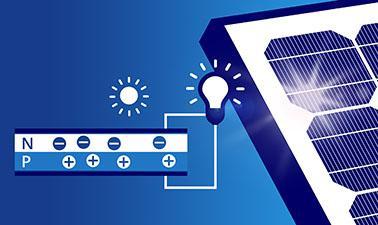
Learn how to mitigate the challenges related to PV technology and enhance the performance of solar cells and PV modules in desert climates. The high insolation in desert regions can result in a lower cost of solar energy. While this may be a key motivation to deploying PV in desert climates, there are also several challenges related to the technology that must be considered.

Self Paced
Self-Paced
Essential Human Biology: Cells and Tissues (edX) EdX
University of Adelaide,AdelaideX

Essential Human Biology: Cells and Tissues (edX)

An introduction to the human body's most fundamental building blocks and their behaviours in health and disease. Are you preparing for a health-related career, or planning to study in the health sciences? Perhaps you're just keen to learn more about the wonders of the human body? Our bodies are amazing but complex biological machines. This course will provide you with an outstanding foundation of knowledge in human anatomy and physiology.

Self Paced
Self-Paced
Energy Markets of Today (edX) EdX
Delft University of Technology,DelftX

Energy Markets of Today (edX)

Understand the European energy market and the economic principles behind it. This course will help you understand the functioning of energy markets as the necessary first step to promotion of the energy transition. By using the European electricity market as an example, you will obtain a deeper understanding of its principles and effectiveness.

Self Paced
5-12 Weeks
Electric Cars: Policy (edX) EdX
Delft University of Technology,DelftX

Electric Cars: Policy (edX)

Learn about the role of public policy in steering technological innovation and infrastructural change toward zero-emission mobility. Electric cars are more than a novel means of mobility. They have been recognized as an essential building block of the energy transition. Fulfilling their promise will imply a significant change in the technical, digital and social dimensions of transport and energy infrastructure.

Self Paced
Self-Paced
Global Public Health (edX) EdX
SDGAcademyX,SDG Academy

Global Public Health (edX)

Understanding the value of health not just as a benefit or right of individuals, but as a global public need. What are the effects of a healthy individual on the world around them? Beyond the hereditary connections between parents and children or the implications of communicable diseases, public health has intrinsic value as a basic human right. Furthermore, health and the three pillars of sustainable development i.e. economic, social and environmental well-being, are intrinsically connected.

Self Paced
Self-Paced
SDG: Moving Towards Sustainable Work (edX) EdX
Universidad Carlos III de Madrid - UC3M,UC3Mx

SDG: Moving Towards Sustainable Work (edX)

Decent work is thecritical engine of sustainable development. This course explores the United Nations' Sustainable Development Goals and mechanisms for developing decent and sustainable work. The United Nations' Sustainable Development 2030 Agenda gives us the opportunity to change and improve the lives of millions of people. These widespread efforts won't juststem from organizations in the formal public or private sectors (governments, corporations, trade unions, etc.) but will also require participation from ordinary people and civil society as a whole.

Self Paced
Self-Paced
Practical Improvement Science in Health Care: A Roadmap for Getting Results (edX) EdX
HarvardX,Harvard University

Practical Improvement Science in Health Care: A Roadmap for Getting Results (edX)

Learn the skills and tools of improvement science to make positive changes in health, healthcare, and your daily life. Developed through a collaboration between HarvardX and the Institute for Healthcare Improvement, PH 556x: Practical Improvement Science in Health Care: A roadmap for getting results will provide learners with the valuable skills and simple, well-tested tools they need to translate promising innovations or evidence into practice.

Self Paced
Self-Paced
Lessons from Ebola: Preventing the Next Pandemic (edX) EdX
HarvardX,Harvard University

Lessons from Ebola: Preventing the Next Pandemic (edX)

Understanding the context for the Ebola outbreak: What went right, what went wrong, and how we can all do better. Like no other event in recent history, the 2014 Ebola outbreak has made clear the fragility of existing health systems. While responding to the current epidemic is critical, we also have an opportunity to learn lessons to prevent the next global health catastrophe, forge partnerships across borders and disciplines, and demonstrate our commitment to value all human lives.

Self Paced
Self-Paced
Improving Global Health: Focusing on Quality and Safety (edX) EdX
HarvardX,Harvard University

Improving Global Health: Focusing on Quality and Safety (edX)

An introduction to the emerging field of global healthcare quality. Access to healthcare services is critical – but is it enough? We are at a critical inflection point in global health. We have seen improvements in access to care, but struggle to improve human health. A key component of this equation is quality of care. Improving access to healthcare is only as useful as the quality of care provided. Many agree that quality is important – but what is it? How do we define it? How do we measure it? And most importantly, how might we make it better?

Self Paced
Self-Paced
The Opioid Crisis in America (edX) EdX
HarvardX,Harvard University

The Opioid Crisis in America (edX)

Learn about the opioid epidemic in the United States, including information about treatment and recovery from opioid addiction. On average, 130 Americans die every day from an overdose of opioids, the class of drugs that includes heroin, hydrocodone, codeine, morphine, and fentanyl. Around 70% of all opioid overdose deaths involved a prescription opioid. Drug overdose is now the leading cause of accidental death in the United States — opioid addiction is driving this epidemic.

Self Paced
Self-Paced