The Musculoskeletal System: the Science of Staying Active into Old Age (FutureLearn)

The Musculoskeletal System: the Science of Staying Active into Old Age (FutureLearn)

Demystify the ageing Demystify the ageing process and learn how our everyday behaviours are likely to affect our long-term musculoskeletal health. On this course, you’ll learn why our bones, joints and muscles function less well as we age, and discover how best to live well as we get older.

Class Deals by MOOC List - Click here and see FutureLearn's Active Discounts, Deals, and Promo Codes.

This free online course has been developed by the MRC-Arthritis Research UK Centre for Integrated research into Musculoskeletal Ageing, a collaboration between the Universities of Liverpool, Sheffield and Newcastle.

What topics will you cover?

- What is musculoskeletal health?
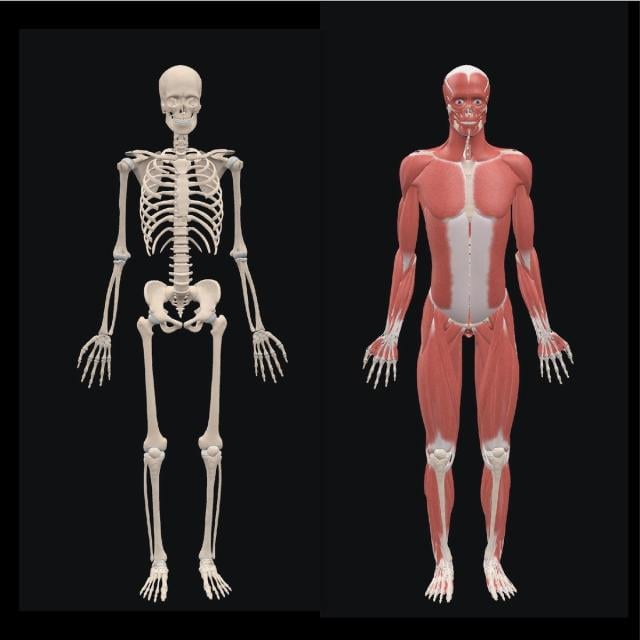
Identify the components of the musculoskeletal system and explain how they fit together. Find out how ageing affects the musculoskeletal system; learn about common, age-related musculoskeletal disorders; and discuss the impact of such disorders on society and quality of life.

- How can exercise benefit the musculoskeletal system?
Explore the impact of physical activity – and inactivity – on bones, muscles and joints. Find out why exercise can be good and bad, not just for cardiovascular health, but also for your musculoskeletal system as you age. Examine, through case studies, why clinical care teams make decisions about physical activity as they do.

- How can diet benefit the musculoskeletal system?
Extend your knowledge of the role of nutrition in musculoskeletal health, learn which foods provide important nutrients for our muscles and bones, and understand how dietary recommendations for musculoskeletal health change as we age.

What will you achieve?
By the end of the course, you'll be able to...

  • Identify the key components of the musculoskeletal system and explain how they fit together.
  • Explain how ageing affects the musculoskeletal system.
  • Describe common age-related problems of the musculoskeletal system.
  • Discuss the impacts of musculoskeletal ageing on society and quality of life.
  • Explore the impact of physical activity and inactivity on bones, muscles and joints.
  • Identify the most important nutritional factors required for a healthy musculoskeletal system.
  • Discuss how ageing and other factors affect nutritional needs and dietary habits for the musculoskeletal system.
  • Explain how scientists and health professionals determine dietary requirements.
  • Identify good dietary and other sources of essential nutrients.
Go to Class
MOOC List is learner-supported. When you buy through links on our site, we may earn an affiliate commission.

Related Courses

Musculoskeletal Health: A Public Health Approach (FutureLearn) FutureLearn
Public Health England

Musculoskeletal Health: A Public Health Approach (FutureLearn)

Learn about the important public health messages of how to maintain good musculoskeletal health (MSK). Using the evidence to inform public health policy decisions for good MSK. Having and maintaining a healthy musculoskeletal system is crucial for your overall health. So, what public health approaches can policy makers and organisations take to ensure that for everyone? On this three-week course you’ll learn about the importance of maintaining good musculoskeletal health.

Self Paced
3 Weeks
Healthy Ageing in 6 Steps. Let your environment do the work. (edX) EdX
Delft University of Technology,DelftX

Healthy Ageing in 6 Steps. Let your environment do the work. (edX)

Learn how to make healthy choices and adjustments to your lifestyle and environment to help you live a healthier, happier and longer life. Many health complaints, such as cardiovascular disease, diabetes or joint problems seem inescapable diseases of old-age, but originate mostly from our lifestyle. A lifestyle that is dictated much in part by our environment. The mismatch between our 'old' genes - our evolutionary heritage - and the 'modern' environment is the reason that we cannot resist the constant stimuli that seduce us to make unhealthy choices. Do's and don'ts cannot help us.

No sessions available
Self-Paced
Anatomy & Physiology: Support & Movement (Coursera) Coursera
Rice University

Anatomy & Physiology: Support & Movement (Coursera)

The second course begins the systems-based approach to human anatomy and physiology at the organ, organ system, and organism level. Three major body systems related to support and movement will be explored in detail: the skeletal and muscular systems. Course material will cover both the structure (anatomy) and function (physiology) of each system with direct application to human development and disease.

Oct 5th 2026
4 Weeks
Hacking Exercise For Health. The surprising new science of fitness. (Coursera) Coursera
McMaster University

Hacking Exercise For Health. The surprising new science of fitness. (Coursera)

Renowned exercise physiologists Martin Gibala and Stuart Phillips of McMaster University teach the surprising new science of cardio fitness and strength-building—and then provide you with hacks to get fit and strong (and healthy!) in less time than you ever thought possible. What’s the right mix of exercise between cardio and strength? How do you know if you’re working out hard enough? What’s better, heavy or light weights? These questions and more are addressed through a course designed to provide even the most inexperienced of exercisers the tools you need to design time-efficient workouts that can be done virtually anywhere, from your own home to a city park or even at your workplace.

Oct 5th 2026
4 Weeks
Healthy Aging with HIV (AME) AME
Virology Education

Healthy Aging with HIV (AME)

This Online Education Activity is accredited by the European Accreditation Council for Continuing Medical Education (EACCME) for 1 European CME credit (ECMEC®). Welcome to the Healthy Aging with HIV edition of the Online Meeting Highlights. Here you will learn about the current screening and treatment guidelines in patients with high fracture risk. Reflecting on examples from the US and other healthcare systems, learn from Dr. Sarah Schmalzle about models of comprehensive geriatric assessments.

Self Paced
Self-Paced
Life with Diabetes (edX) EdX
Curtin University,CurtinX

Life with Diabetes (edX)

Learn how to confidently manage your diabetes and live a healthy, happy life. This course focuses on providing skills and resources for you and your family to manage life with diabetes. You will learn what diabetes is, the difference between type 1, type 2 and gestational diabetes as well as how they are treated and why management is so important.

This course is archived
5-12 Weeks
"Care for carers" Aider une personne âgée : un rôle à part entière. Conseils et soutien (FUN) FUN
Université Fédérale Toulouse Midi-Pyrénées

"Care for carers" Aider une personne âgée : un rôle à part entière. Conseils et soutien (FUN)

This course is entended for anyone engaged in a care relationship with older people in disability or dependency situations, whether formal or informal caregivers. This module is part of Care Campus, a unique partner ship of academic institutions companies cities and governemental agencies that aim to improve the quality of care of older citizens in Europe.

No sessions available
5-12 Weeks
Optimal Health Course (Lead Academy) Lead Academy
Lead Academy

Optimal Health Course (Lead Academy)

Whether you are self-taught and you want to fill in the gaps for better efficiency and productivity, this Optimal Health Course course will set you up with a solid foundation to become a confident Optimal Health Course and develop more advanced skills. This comprehensive Optimal Health Course course is the perfect way to kickstart your career in the field of Optimal Health Course. This course will give you a competitive advantage in your career, making you stand out from all other applicants and employees.

Self Paced
Self-Paced
Healthy Practices: Nutrition, Physical Activity, and Community and Family Participation (Coursera) Coursera
University of Colorado System

Healthy Practices: Nutrition, Physical Activity, and Community and Family Participation (Coursera)

In this course you will find a comprehensive overlook of healthy practices in public schools in the USA, including: physical activity and nutrition in the school setting. We will review the basics of some of the regulatory programs found in the United States that support healthy students through nutrition education and nutrition programs. You will be able to explain some of the nutritional components such as, alternatives to the use of Sugar-Sweetened Beverages. Many of these principles can be applied to students in schools throughout the globe.

Oct 5th 2026
4 Weeks