Human Physiology (saylor.org)

Offered by Saylor.org,
Human Physiology (saylor.org)

Human physiology is the study of the body’s processes, also known as functions. In this course, we will look at each organ system in detail and then discuss the ways in which these systems interact in order to maintain overall body functioning.

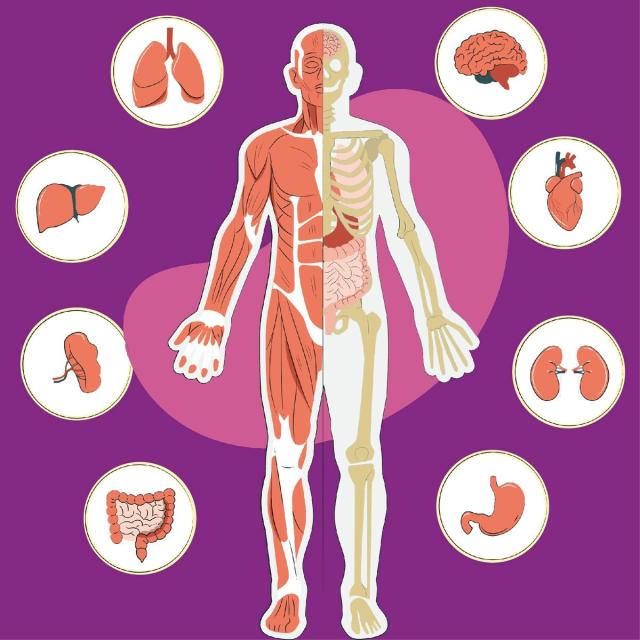
Human physiology is the study of the body’s processes, also known as functions. You already have experience with this subject, because you are a human and perform numerous functions each day to maintain your body’s balance or homeostasis. For example, gas exchange in your lungs provides the body’s cells with adequate oxygen supply needed to survive and carry out metabolic processes. Digestion of food components in your mouth, stomach, and small intestines breaks larger substances into molecules that can be absorbed in the small intestines and used for energy. White blood cells attack foreign bodies, such as bacteria and cells containing viruses to keep you free from infection.

In this course, we will look at each organ system in detail and then discuss the ways in which these systems interact in order to maintain overall body functioning. Metabolism and homeostasis – or the maintenance of the body at a set, optimal level – will be important themes found throughout the units. We will accordingly discuss metabolic processes at length from the cellular to the organismal level. Although this course will focus on the function (physiology) of the human body, it is necessary to have a good grasp of anatomy in order to fully understand function. We will briefly review the anatomy of each organ system before studying the systems themselves.

Upon successful completion of this course, the student will be able to:

Describe the relationship between structure and function at the cellular level, and relate dysfunctional states of health to problems at the cellular level when appropriate.
Given relevant physiological information, explain the physiological mechanisms involved.
Describe the concepts of homeostasis and feedback control in relationship to each organ system.
Use vocabulary of physiological terms, and demonstrate an ability to communicate efficiently in a medical environment.
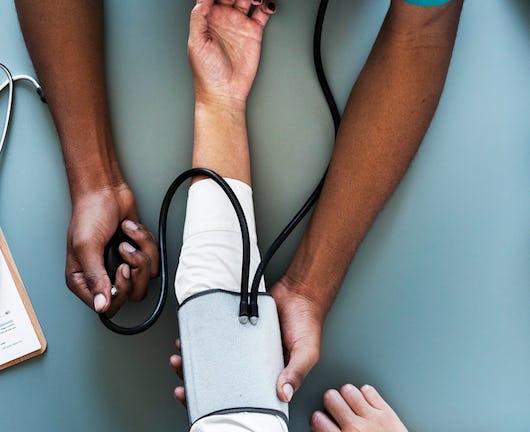
Describe techniques currently in use that measure the function of organ systems.
Go to Class
MOOC List is learner-supported. When you buy through links on our site, we may earn an affiliate commission.

Related Courses

Anatomy & Physiology: Levels of Organization (Coursera) Coursera
Rice University

Anatomy & Physiology: Levels of Organization (Coursera)

This course will provide a basic introduction to the human body. It will examine common organizational patterns and terms in anatomy. It will also provide a micro-level view of essential elements and compounds at the atomical and molecular level before expanding to the cellular and tissue levels. Finally, we will look at how tissue can form organs and even an entire organ system with the skin through our look at the Integumentary System.

Jul 27th 2026
3 Weeks
What Is the Body? (FutureLearn) FutureLearn
University of Aberdeen

What Is the Body? (FutureLearn)

Get an introduction to different human body parts and their functions, from organ systems to cell structure and tissues. Explore how your body works through the study of body anatomy. How does the body work? What is it made of? What are the different parts of the human body and what are their functions? From cells to organ systems, this course will introduce you to the basic components that make up the human body.

Self Paced
3 Weeks
Marine Biology (saylor.org) Saylor Academy
Saylor.org

Marine Biology (saylor.org)

Marine Biology is the study of ocean life. As you might expect, life in salt water is vastly different from life in a terrestrial or freshwater environment due to factors like salinity, water circulation, and atmospheric pressure. How, for example, can organisms living in salt water avoid dehydration? How do organisms living in the depths of the ocean handle the immense pressure? How do the environmental factors in marine communities affect biodiversity? How do some animals manage to alternate between the demands of terrestrial life and the demands of marine life? In this course, you will learn the answers to these questions and more. This course will touch on a number of different subfields of biological study (including biochemistry, physiology, zoology, botany, and ecology) within the context of the ocean environment.

Legacy Course
Self-Paced
Dynamic Energy Budgets (IST) MOOC Técnico
Instituto Superior Técnico, Universidade de Lisboa

Dynamic Energy Budgets (IST)

This course provides a framework for modelling metabolism at the organism level, covering the full life-cycle, using the Dynamic Energy Budget (DEB) Theory which is applicable to all species. It quantifies, step by step, all the important metabolic processes such as ingestion, assimilation, growth, maintenance, development and reproduction.

No session available
4 Weeks
Cell Biology (saylor.org) Saylor Academy
Saylor.org

Cell Biology (saylor.org)

The cell is the fundamental unit of life; in fact, the smallest living organisms are composed of a single cell. We have learned that, despite their small size, cells are far from simple, and we have only recently begun to understand just how complex they are. This course will present you with a detailed overview of a cell’s main components and functions.

Legacy Course
Self-Paced
Exploring Body Neutrality and Body Image with Jameela Jamil (FutureLearn) FutureLearn
Tommy Hilfiger

Exploring Body Neutrality and Body Image with Jameela Jamil (FutureLearn)

Reclaim power over your own self-worth and learn from Jameela Jamil how you can transform your body image and practice self-love. Go beyond the body positivity movement and discover body neutrality. This brand-new course led by actress, activist, and changemaker, Jameela Jamil, explores the devastating impact society has on our body image, self-esteem, and self-worth. Supported by Jameela herself, you’ll find out how to unlearn negative ways of thinking about your body and free yourself of any unnecessary shame or feelings of unworthiness you’re carrying.

Feb 15th 2021
2 Weeks
Soul Beliefs: Causes and Consequences - Unit 2: Belief Systems (Coursera) Coursera
Rutgers University

Soul Beliefs: Causes and Consequences - Unit 2: Belief Systems (Coursera)

Throughout history, the vast majority of people around the globe have believed they have, however defined, a “soul.” While the question of whether the soul exists cannot be answered by science, what we can study are the causes and consequences of various beliefs about the soul and its prospects of surviving the death of the body. Why are soul and afterlife beliefs so common in human history? Are there adaptive advantages to assuming souls exist?

Aug 3rd 2026
5-12 Weeks
The Body Matters: Why Exercise Makes You Healthy and How to Stay Uninjured (edX) EdX
McGill,McGillX

The Body Matters: Why Exercise Makes You Healthy and How to Stay Uninjured (edX)

Learn from leading global experts about the benefits of physical activity and how to prevent and treat injuries. This health course will show you why exercise is a fundamental component of a healthy lifestyle. Exercise is more than just an “art of converting big meals and fattening snacks into back strains and pulled muscles by lifting heavy things that don’t need to be moved, or running when no one is chasing you.” (Anonymous quote) Our bodies evolved to move over several millennia.

No sessions available
5-12 Weeks