EdX

Cardiovascular & Respiratory Systems (edX)

Cardiovascular & Respiratory Systems (edX)

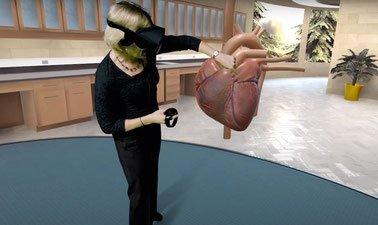
Gain insight into the complexities of the cardiovascular and respiratory systems, and how gases and nutrients are regulated in healthy humans. The human body is an amalgamation of specialised and complex systems. Normal, healthy body functions rely on a symphony of these systems, dynamically working in concert to keep us in a stable homeostatic state. This course begins by examining the unconscious regulation of body systems by the autonomic nervous system, helping us respond when homeostasis is challenged.

Class Deals by MOOC List - Click here and see EdX's Active Discounts, Deals, and Promo Codes.

We then explore the cardiovascular and respiratory systems in depth, providing an integrative perspective. We investigate the contractility of the heart, how the circulatory system distributes blood to tissues and organs, the key roles of the respiratory system in gas exchange and maintaining acid-base equilibrium, and the importance of the lymphatic system in maintaining fluid balance. The course aims to provide you with an appreciation of how homeostasis is regulated by close interactions between these body systems.
This interactive course incorporates videos, insights from experts in human physiology, and assessment to test your new understanding of systems physiology.
This course is part of the Systems Physiology Professional Certificate.

What you'll learn

  • Gain a functional understanding of the cardiovascular, respiratory, gastrointestinal and renal systems.
  • Develop an appreciation of how body systems are integrated to maintain homeostasis.
  • Understand how hormones are critical to physiological responses.
  • Appreciate that disruption of normal physiology results in human disease.

Prerequisites:

  • An understanding of cell structure and function, cell transport and cell signalling.
  • A sound knowledge of specialized cells, including nerve and muscle cells.
  • A broad knowledge of body systems and how they act together to ensure body functions.
  • Specialized Cells and Tissue Biology (included in the Professional Certificate in Cells Physiology) is recommended, but not essential.
Go to Class
MOOC List is learner-supported. When you buy through links on our site, we may earn an affiliate commission.

Related Courses

Big Data, Genes, and Medicine (Coursera) Coursera
The State University of New York

Big Data, Genes, and Medicine (Coursera)

This course distills for you expert knowledge and skills mastered by professionals in Health Big Data Science and Bioinformatics. You will learn exciting facts about the human body biology and chemistry, genetics, and medicine that will be intertwined with the science of Big Data and skills to harness the avalanche of data openly available at your fingertips and which we are just starting to make sense of.

Jun 22nd 2026
5-12 Weeks
Specialized Cells (edX) EdX
University of Queensland,UQx

Specialized Cells (edX)

An introduction to cell physiology. Learn how specialized cells perform specific functions. The human body is composed of trillions of cells working together to perform essential body functions. Cells operate in a regulated internal environment, with different types of cells having unique properties suited to their specific functions. In this course we will dive into the complex world of human physiology, starting at the cellular level.

May 31st 2022
5-12 Weeks
Anatomy of the Abdomen and Pelvis; a journey from basis to clinic. (Coursera) Coursera
Leiden University,Leiden University Medical Center

Anatomy of the Abdomen and Pelvis; a journey from basis to clinic. (Coursera)

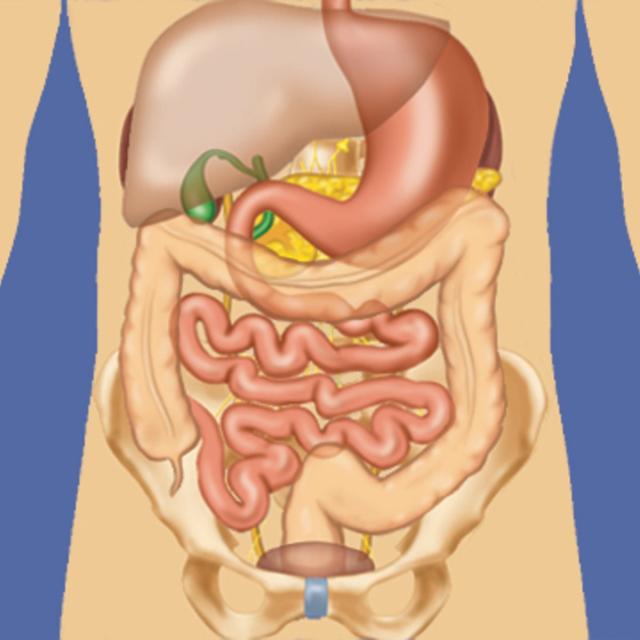
In this anatomy course you will explore the organs involved in our food digestion and discover the common causes of abdominal and pelvic pain. The latest graphics and animations will help you to find new insights and understanding of this part of the body, that has been the focus of anatomical research for centuries and presently arouses renewed scientific interest. You will explore the 3D anatomy of the organs from a basic level, providing thorough anatomical understanding, to its advanced application in surgical procedures.

May 18th 2026
5-12 Weeks
Exploring Anatomy: The Human Abdomen (FutureLearn) FutureLearn
University of Leeds

Exploring Anatomy: The Human Abdomen (FutureLearn)

Explore the anatomy of the human abdomen and appreciate its clinical importance. You will be introduced to the human abdomen and its many complex structures through stimulating discussions on common surgical scenarios and current research. Each week, we will focus on a specific area of the abdomen; starting at the anterior abdominal wall and be able to detail the anatomy of numerous organs including the stomach and liver.

Sep 23rd 2024
3 Weeks
Respiration in the Human Body (edX) EdX
LouvainX,Université Catholique de Louvain - UCL

Respiration in the Human Body (edX)

Learn about respiration and the function of the lungs, oxygen and CO₂ in the body from medical experts. How do we breathe? What is the purpose of our lungs? What is the link between oxygen and life ? These questions open a vast field of discovery to help us understand respiration. This course is for anyone who wants to understand human respiratory physiology, the operation of respiration and the lungs.

This course is archived
5-12 Weeks
The Human Microbiome (FutureLearn) FutureLearn
EIT Food,EIT,University of Turin

The Human Microbiome (FutureLearn)

Discover what the microbiome is, how it changes throughout your life, and the role it plays in good human health. Learn how a healthy microbiome can combat disease. The microbiome – the microbes that live within the human body – can have a huge impact on human health. As such, it’s vital to understand the complexity of the microbiome, and how it can impact on disease and wellbeing. On this course, you’ll go on a fascinating journey into the human body – down to the gut – where the ecology and roles of the human microbiome will be narrated.

Jan 2nd 2023
3 Weeks
Biochemical Principles of Energy Metabolism (Coursera) Coursera
Korea Advanced Institute of Science and Technology - KAIST

Biochemical Principles of Energy Metabolism (Coursera)

Everyone knows that energy is essential for sustaining life. How can you define energy in life? Have ever thought about ways of how carbohydrates like glucose from your diet can be used for extracting energy? A scientific field that focuses on energy production and flow though living cells and organisms is called bioenergetics. Energy metabolism covers various biochemical ways of energy transformation and regulatory mechanisms of over thousands chemical reactions. Without fine control of those metabolic processes, cells and organisms cannot maintain activities linked to life.

Jun 22nd 2026
5-12 Weeks
Anatomy: Cardiovascular, Urinary, and Respiratory Systems (edX) EdX
University of Michigan,MichiganX

Anatomy: Cardiovascular, Urinary, and Respiratory Systems (edX)

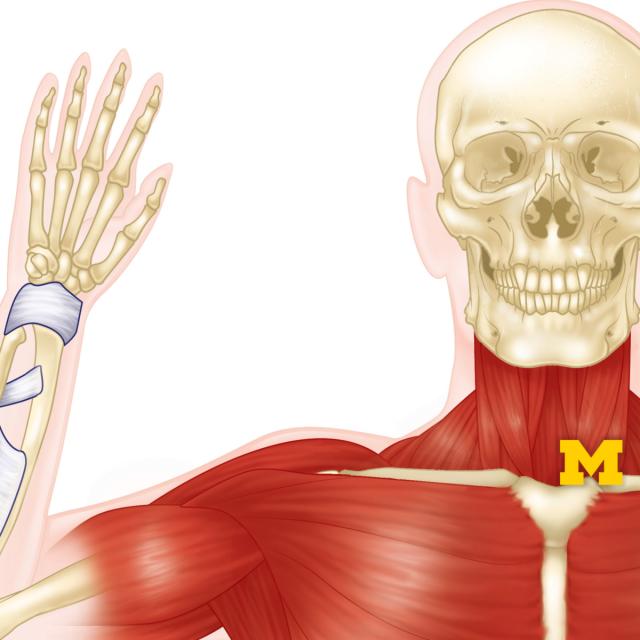
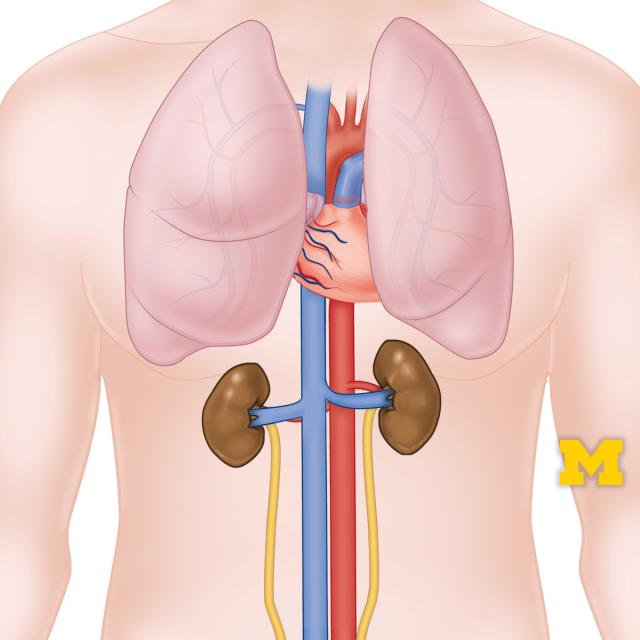
Learn the multifaceted structures and functions of the cardiovascular, urinary, and respiratory systems. This course is a primer for the cardiovascular, respiratory, and urinary systems in which students learn the pertinent details of the structures and functions through a combination of lectures, videos, labeling activities and quizzes.

Self Paced
Self-Paced