How Does the Body Use DNA as a Blueprint? (FutureLearn)

How Does the Body Use DNA as a Blueprint? (FutureLearn)

Get an introduction to the basics of molecular biology, and how DNA code works. Find out how the body repairs and regulates itself. Every part of the body is made according to a code that is carried in the body’s cells. This code is called DNA, and knowing how it works is fundamental to understanding how the body regulates itself throughout our lives.

Class Deals by MOOC List - Click here and see FutureLearn's Active Discounts, Deals, and Promo Codes.

On this course, you’ll get an introduction to the basics of molecular biology, and how DNA code works inside the human body.
You’ll find out what DNA code represents, how it creates proteins inside the body, and what key molecules are involved. You’ll also learn how these molecules communicate and interact with each other inside the body.

What topics will you cover?

  • What are the key molecules involved in molecular biology?
  • The role of reproduction in producing an individual’s DNA code
  • What does the DNA code represent?
  • Using the DNA code to create proteins
  • How do molecules within the body communicate with one another?

What will you achieve?
By the end of the course, you'll be able to...

  • Summarise the structure and relevance of DNA
  • Describe the processes involved in reproduction at a molecular level that result in an individual’s DNA
  • Describe the key molecules involved in protein synthesis
  • Explain and compare the different stages of protein synthesis
  • Summarise the key principles involved in molecular signalling

Go to Class
MOOC List is learner-supported. When you buy through links on our site, we may earn an affiliate commission.

Related Courses

La science forensique au tribunal: témoin digne de foi? (Coursera) Coursera
University of Lausanne

La science forensique au tribunal: témoin digne de foi? (Coursera)

L’objectif de ce cours est d’encourager la réflexion critique en ce qui concerne la « science forensique », également appelée police technique et scientifique ou criminalistique. À l’heure actuelle, de manière générale, la plupart des gens sont fascinés par les possibilités techniques qu’offre la police scientifique. Ils sont bercés par une certaine illusion que les preuves de la science forensique sont infaillibles et fournissent des résultats factuels sûrs à 100 %. Ce cours – dispensé par des spécialistes du domaine – dépasse l’image conventionnelle véhiculée par des séries télévisées comme « Les Experts ».

Sep 7th 2026
5-12 Weeks
Understanding Genetic Disorders: How DNA Influences Health (FutureLearn) FutureLearn
University of Glasgow

Understanding Genetic Disorders: How DNA Influences Health (FutureLearn)

Explore the science behind our genetics and health and empower those with genetics disorders to make more informed health choices. Gain insight into cutting-edge genetics testing technologies and research. This course offers a fascinating insight into how genetics can impact our health and the importance of understanding genetic diseases in order to better manage and treat patients.

Self Paced
4 Weeks
Exploring Anatomy: The Human Abdomen (FutureLearn) FutureLearn
University of Leeds

Exploring Anatomy: The Human Abdomen (FutureLearn)

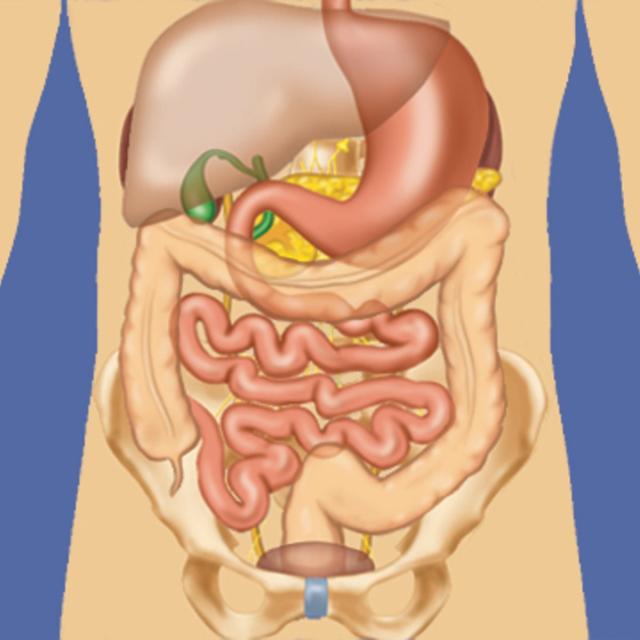
Explore the anatomy of the human abdomen and appreciate its clinical importance. You will be introduced to the human abdomen and its many complex structures through stimulating discussions on common surgical scenarios and current research. Each week, we will focus on a specific area of the abdomen; starting at the anterior abdominal wall and be able to detail the anatomy of numerous organs including the stomach and liver.

Self Paced
3 Weeks
Introduction to Forensic Science (FutureLearn) FutureLearn
University of Strathclyde

Introduction to Forensic Science (FutureLearn)

Explore the methods underpinning forensic science, from crime scene investigation to reporting evidential value within a case. The course addresses four major evidence types: drugs of abuse, DNA, firearms and impression evidence, and discusses these through the exploration of a case-based scenario presented across a six-week modular framework.

Self Paced
5-12 Weeks
Bacterial Genomes: From DNA to Protein Function Using Bioinformatics (FutureLearn) FutureLearn
Wellcome Genome Campus Advanced Courses and Scientific Conferences

Bacterial Genomes: From DNA to Protein Function Using Bioinformatics (FutureLearn)

Use bioinformatics to explore DNA sequences and protein functions, to find the determinants of virulence in microbes. Join us in our quest to discover what makes microbes dangerous. Use bioinformatics to probe genomes, to explore and represent DNA and protein sequences. Then, use databases to find protein sequences’ conserved domains and investigate their functions.

No sessions available
2 Weeks
Mini Medical School: Introduction to Medical Science (FutureLearn) FutureLearn
University of Colorado System

Mini Medical School: Introduction to Medical Science (FutureLearn)

Discover the science underpinning modern medical practice today and how to maintain and promote good physical and mental health. Master the basics of medicine with the University of Colorado School of Medicine. This three-week course offers you a fascinating and informative introduction to modern medicine.

Self Paced
3 Weeks
Introduction to Genomic Technologies (Coursera) Coursera
Johns Hopkins University

Introduction to Genomic Technologies (Coursera)

This course introduces you to the basic biology of modern genomics and the experimental tools that we use to measure it. We'll introduce the Central Dogma of Molecular Biology and cover how next-generation sequencing can be used to measure DNA, RNA, and epigenetic patterns. You'll also get an introduction to the key concepts in computing and data science that you'll need to understand how data from next-generation sequencing experiments are generated and analyzed.

Sep 14th 2026
4 Weeks