Contemporary Biology (Coursera)

Contemporary Biology (Coursera)

This course is an introduction to biology as it applies to our everyday life. Learners will explore the interplay between science and self through a personalized case study of themselves and their environment. By the end of the course, learners will be able to recognize the interactions among natural phenomena and the implications of the scientific principles behind the physical world and their experiences living in it.

Class Deals by MOOC List - Click here and see Coursera's Active Discounts, Deals, and Promo Codes.

Syllabus

WEEK 1
Introduction to Cell Structures and Function
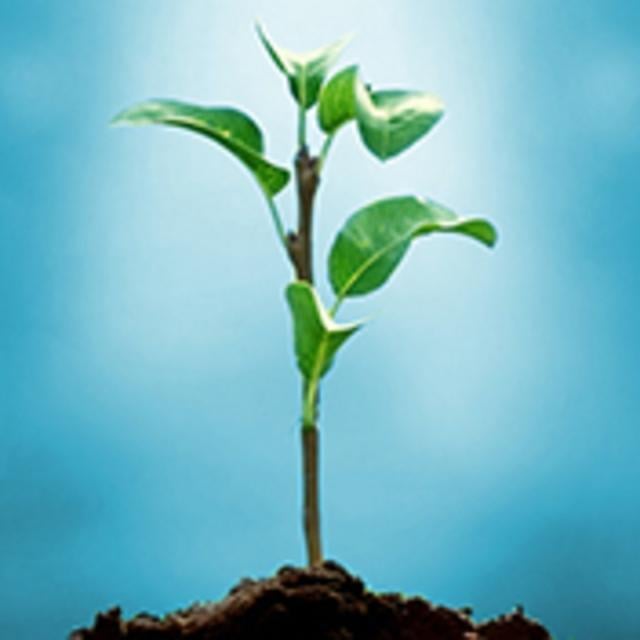
In this module, we will make some discoveries about soil, the original and true cells of organisms that live within it and, the ways in which water and minerals travel from the soil and throughout plants.

WEEK 2
Energy Transfer & Flow
In this module, we will take what we have learned about cells and cell transport and make discoveries about the way plants and animals obtain the energy they need for life. Building upon the knowledge gained, we will also make discoveries about interactions between organisms.

WEEK 3
Eukaryotic Cells & DNA
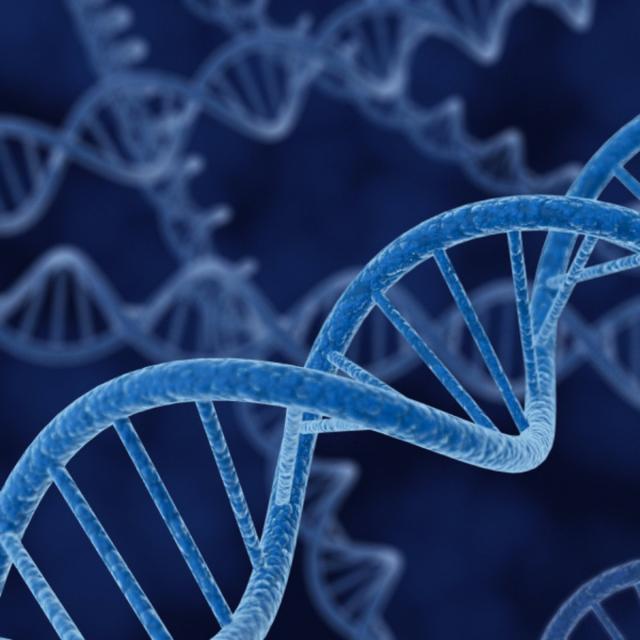
In this module, we will take what we have learned about cells and cell transport, energy flow and transfer, and organismal interactions and we will make discoveries concerning the ways toxins enter cells, and their effects on the cell's genetic material.

WEEK 4
Cell Division & Heredity
In this module, we will take what we have learned about cells and we will make discoveries concerning our genetic code, the two processes of cell replication, and how we inherit specific traits.
Go to Class
MOOC List is learner-supported. When you buy through links on our site, we may earn an affiliate commission.

Related Courses

Introduction to Biology: Biodiversity (Coursera) Coursera
Rice University

Introduction to Biology: Biodiversity (Coursera)

In this course we will examine the incredible variety of life that inhabits this planet including microorganisms, plants, and animals. For each of the major groups we’ll learn about their characteristics, functions, and how they came into existence as well as some of the roles they play in the natural world, and how they’re relevant to people. We’ll also take a close look at us humans and consider what we know about our origins and what might become of us in the future.

Jun 22nd 2026
5-12 Weeks
Dino 101: Dinosaur Paleobiology (Coursera) Coursera
University of Alberta

Dino 101: Dinosaur Paleobiology (Coursera)

Dino 101: Dinosaur Paleobiology is a 12-lesson course teaching a comprehensive overview of non-avian dinosaurs. Topics covered: anatomy, eating, locomotion, growth, environmental and behavioral adaptations, origins and extinction. Lessons are delivered from museums, fossil-preparation labs and dig sites. Estimated workload: 3-5 hrs/week.

Jun 27th 2026
5-12 Weeks
Genome Sequencing (Bioinformatics II) (Coursera) Coursera
University of California, San Diego

Genome Sequencing (Bioinformatics II) (Coursera)

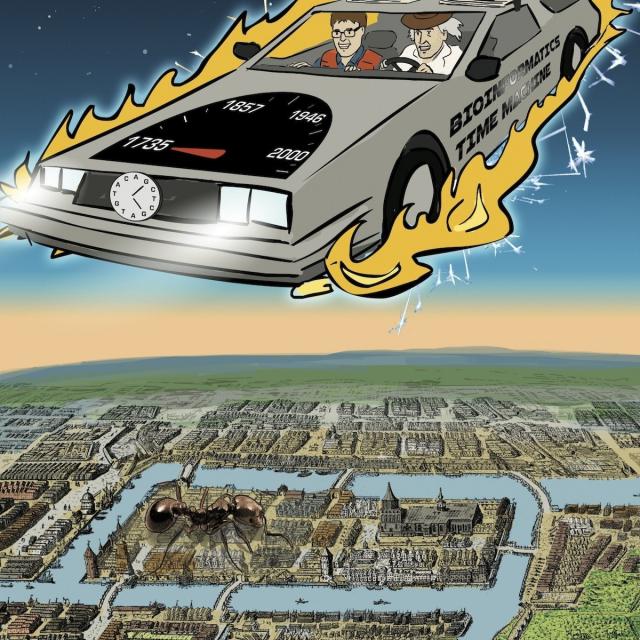
You may have heard a lot about genome sequencing and its potential to usher in an era of personalized medicine, but what does it mean to sequence a genome? Biologists still cannot read the nucleotides of an entire genome as you would read a book from beginning to end. However, they can read short pieces of DNA. In this course, we will see how graph theory can be used to assemble genomes from these short pieces. We will further learn about brute force algorithms and apply them to sequencing mini-proteins called antibiotics.

Jun 22nd 2026
5-12 Weeks
Emergence of Life (Coursera) Coursera
University of Illinois at Urbana-Champaign

Emergence of Life (Coursera)

How did life emerge on Earth? How have life and Earth co-evolved through geological time? Is life elsewhere in the universe? Take a look through the 4-billion-year history of life on Earth through the lens of the modern Tree of Life. This course will evaluate the entire history of life on Earth within the context of our cutting-edge understanding of the Tree of Life. This includes the pioneering work of Professor Carl Woese on the University of Illinois Urbana-Champaign campus which revolutionized our understanding with a new "Tree of Life."

Jun 15th 2026
5-12 Weeks
Engineering Life: Synbio, Bioethics & Public Policy (Coursera) Coursera
Johns Hopkins University

Engineering Life: Synbio, Bioethics & Public Policy (Coursera)

Synbio is a diverse field with diverse applications, and the different contexts (e.g., gain-of-function research, biofuels) raise different ethical and governance challenges. The objective of this course is to increase learners’ awareness and understanding of ethical and policy/governance issues that arise in the design, conduct and application of synthetic biology. The course will begin with a short history of recombinant DNA technology and how governance of that science developed and evolved, and progress through a series of areas of application of synbio.

Jun 15th 2026
5-12 Weeks
Engineering Genetic Circuits: Design (Coursera) Coursera
University of Colorado Boulder

Engineering Genetic Circuits: Design (Coursera)

This course gives an introduction to the biology and biochemistry necessary to understand genetic circuits. It starts by providing an engineering viewpoint on genetic circuit design and a review of cells and their structure. The second module introduces genetic parts and the importance of standards followed by a discussion of genetic devices used within circuit design. The last two modules cover experimental techniques and construction methods and principles applied during the design process.  

Jun 22nd 2026
5-12 Weeks
Agroforestry II: Major Systems of the World (Coursera) Coursera
University of Florida

Agroforestry II: Major Systems of the World (Coursera)

Welcome to Agroforestry II: Major Systems of the World. A focused exploration of agroforestry practices from around the world. This is the second module of the five-module course covering the various aspects of agroforestry including the global distribution of the practices, their underlying principles, and major scientific advances during the past nearly five decades, presented by leading experts in the field.

Jun 22nd 2026
2 Weeks