Hadrian's Wall: Life on the Roman Frontier (FutureLearn)

Offered by Newcastle University,
Hadrian's Wall: Life on the Roman Frontier (FutureLearn)

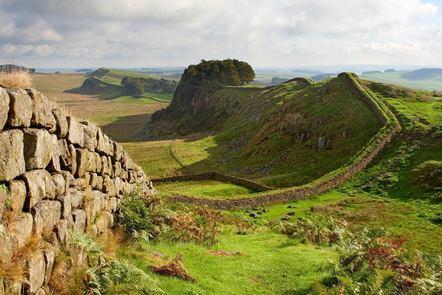
Explore the archaeology of the most heavily fortified frontier in the Roman Empire, its people and their lives. Hadrian’s Wall stretches over 73 miles (117 km), from coast to coast in what is now Northern England. The Wall, complemented by a sophisticated system of outposts and coastal watch stations, offers a remarkable glimpse of ancient society. In addition to housing one of the largest concentrations of Roman soldiers anywhere in the Empire’s provinces, Hadrian’s frontier system was home to an incredibly cosmopolitan array of civilians. This six week course offers a comprehensive introduction to Hadrian’s Wall and its people and raises fascinating issues concerning colonisation, cultural transformation, immigration, integration and imperialism.

Class Deals by MOOC List - Click here and see FutureLearn's Active Discounts, Deals, and Promo Codes.

We will explore life in the region before the construction of the Wall, the arrival of the Roman army and its impact on the local population. Detailed case studies will consider the different features of the Wall and its surroundings, considering the way in which the frontier system evolved throughout the Roman period. The changing face of both the Roman army and indigenous populations is richly illuminated through archaeological finds and reconstructions. To appreciate the range and character of native people, soldiers’ families, slaves, merchants and migrants, we will examine their homes, dress, diet, rituals and religious beliefs.
Drawing on the very latest research, we will investigate how archaeologists interpret evidence, considering:

  • the factors that determine the survival of evidence
  • the different methods of archaeological prospection used to detect settlement locations and better understand their organization
  • the planning of archaeological projects
  • excavation techniques
  • and the detailed study of structures and artefacts.

As part of the course you can test your understanding of these methods with real case studies and participate in a series of archaeological experiments designed to help you appreciate the complexities of daily life on Rome’s most famous frontier.

What topics will you cover?

  • Introduction to issues concerning colonisation, cultural transformation, immigration, integration and imperialism.
  • Exploration of life in the region before the construction of the Wall, the arrival of the Roman army and its impact on the local population.
  • Consideration of the different features of the Wall and its surroundings, and the way in which the frontier system evolved throughout the Roman period.
  • Investigation of the Roman army and indigenous populations through archaeological finds and reconstructions.
  • Examination of homes, dress, diet, rituals and religious beliefs, to appreciate the range and character of native people, soldiers’ families, slaves, merchants and migrants along the wall.
  • Interpretation of archaeological evidence, considering:

. the factors that determine the survival of evidence
. the different methods of archaeological prospection used to detect settlement locations and better understand their organisation
. the planning of archaeological projects
. excavation techniques
. and the detailed study of structures and artefacts.

What will you achieve?
By the end of the course, you'll be able to...

  • Explore the archaeological skills and methods used to uncover the story of Hadrian’s Wall and its people
  • Interpret key ancient texts related to Hadrian’s Wall
  • Describe the diverse soldiers and civilians who lived along Hadrian’s Wall
  • Investigate the architecture and changing uses of the many different buildings which made up the Hadrian’s Wall system
Go to Class
MOOC List is learner-supported. When you buy through links on our site, we may earn an affiliate commission.

Related Courses

Lancaster Castle and Northern English History: The View from the Stronghold (FutureLearn) FutureLearn
Lancaster University

Lancaster Castle and Northern English History: The View from the Stronghold (FutureLearn)

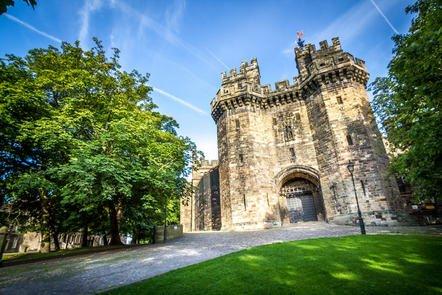
We will use the iconic building of Lancaster Castle to investigate how 2000 years of history has shaped the north-west of England. This course takes an innovative approach to exploring history, focusing on Lancaster Castle as a microcosm of broader trends. This fascinating location provides a wealth of evidence from the remains of Roman forts to its life as a prison and visitor attraction.

Oct 18th 2021
5-12 Weeks
Archaeology of Portus: Exploring the Lost Harbour of Ancient Rome (FutureLearn) FutureLearn
University of Southampton

Archaeology of Portus: Exploring the Lost Harbour of Ancient Rome (FutureLearn)

Learn how ancient artefacts, written evidence, excavation and digital technologies are transforming understanding of this harbour. The Roman harbour city of Portus lay at the heart of an empire that extended from Scotland to Iraq. Established by Claudius and enlarged by the emperor Trajan with spoils of the Dacian wars, the port was the conduit for everything the city of Rome required from its Mediterranean provinces: the food and, particularly grain, that fed the largest urban population of the ancient world, as well as luxuries of all kinds, building materials, people and wild animals for the arena.

No sessions available
5-12 Weeks
Irish Lives in War and Revolution: Exploring Ireland's History 1912-1923 (FutureLearn) FutureLearn
Trinity College Dublin

Irish Lives in War and Revolution: Exploring Ireland's History 1912-1923 (FutureLearn)

Explore the lives of men, women and children living through war and revolution and social changes that made modern Ireland. How do people experience war and revolution? How does political change, violence, total war, affect life in its most basic ways? Looking at Ireland through war and revolution, this course considers these and other questions about Irish life between 1912 and 1923.

No sessions available
5-12 Weeks
World War 1: Paris 1919 - A New World Order? (FutureLearn) FutureLearn
University of Glasgow

World War 1: Paris 1919 - A New World Order? (FutureLearn)

This course reassesses the legacy of the Paris Peace Conference (1919) and how it sought to create a new world order. The Paris Peace Conference of 1919 ended a Great War, but it also designed the post-war future. In 1919, world leaders assembled in Paris redrew the map of the world, partitioned and created countries, and ushered in a new era of international relations. The naivety of the peace-makers of 1919 has been justly criticised. However, in setting up a permanent ‘world organisation’, the League of Nations, they changed the management of world affairs forever…

No sessions available
3 Weeks
Forensic Archaeology and Anthropology (FutureLearn) FutureLearn
Durham University

Forensic Archaeology and Anthropology (FutureLearn)

Enter the fascinating world of forensics, and learn how the deceased are located, recovered and analysed using DNA and pathology. Learn the science behind the exhumation and identification of skeletal remains. The location, exhumation and identification of the dead requires highly specialised expertise. On this course, you’ll learn the latest scientific techniques for body location, recovery and analysis.

Oct 4th 2021
5-12 Weeks
World War 1: Trauma, Memory, Controversy (FutureLearn) FutureLearn
The Open University

World War 1: Trauma, Memory, Controversy (FutureLearn)

Explore the traumatic effects of WW1 on soldiers and civilians. Discover how we remember and debate the history of this war. In this free online course, you will study the social, cultural, medical and diplomatic history of the First World War. Topics range from physical and mental trauma suffered by combatants to the traumatic experiences of civilians in wartime.

Available now
4 Weeks
Exploring Stone Age Archaeology: The Mysteries of Star Carr (FutureLearn) FutureLearn
University of York

Exploring Stone Age Archaeology: The Mysteries of Star Carr (FutureLearn)

Discover Star Carr, one of the world's most important archaeological sites, and learn what life was like over 10,000 years ago. Learn about the incredible discoveries at Star Carr. Star Carr is one of Britain’s most important archaeological sites. Because of extraordinary conditions of survival, we have uncovered the oldest known house in Britain, the earliest evidence of carpentry in Europe and the oldest complete bow in the world. These and other discoveries help us interpret what life might have been like over 10,000 years ago.

May 30th 2022
4 Weeks
Antiquities Trafficking and Art Crime (FutureLearn) FutureLearn
University of Glasgow

Antiquities Trafficking and Art Crime (FutureLearn)

Law

Delve into the seedy underbelly of the art world, looking at smuggling, theft, fakes, and fraud, with this free online course. From fakes and fraud, to thefts and trafficking, art crime has turned archaeological sites in Iraq and Syria into “lunar landscapes”, decapitated Buddha sculptures in Cambodia and left empty frames on museum walls.

No sessions available
3 Weeks
Zoroastrianism: History, Religion, and Belief (FutureLearn) FutureLearn
SOAS University of London

Zoroastrianism: History, Religion, and Belief (FutureLearn)

Explore the ancient religion of Zoroastrianism, its languages, and the challenges faced by Zoroastrian communities today. Delve into the rich visual history of the Zoroastrian religion Zoroastrianism has had a profound influence on major world religions. Its history tells the story of imperial culture, persecution, migration and the establishment of diasporic communities.

Jul 26th 2021
4 Weeks
New Zealand History, Culture and Conflict: A Museum Perspective (FutureLearn) FutureLearn
Museum of New Zealand Te Papa Tongarewa

New Zealand History, Culture and Conflict: A Museum Perspective (FutureLearn)

Discover the social history of Aotearoa New Zealand, learning how the country’s bicultural national consciousness was formed. Identify the factors that have contributed to New Zealand’s cultural identity. New Zealand’s social history is built on a foundation of exploration and colonial conflict. On this three-week course, you’ll access artefacts, treasures, and exhibitions within Te Papa Tongarewa’s collections to discover how New Zealand culture has evolved over time, identifying key historical moments that have impacted the formation of a national identity.

Nov 27th 2023
3 Weeks