World War 1: Trauma, Memory, Controversy (FutureLearn)

Offered by The Open University,
World War 1: Trauma, Memory, Controversy (FutureLearn)

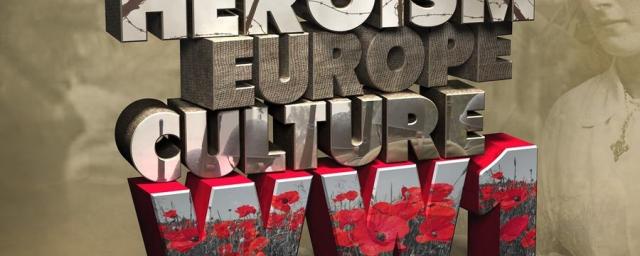
Explore the traumatic effects of WW1 on soldiers and civilians. Discover how we remember and debate the history of this war. In this free online course, you will study the social, cultural, medical and diplomatic history of the First World War. Topics range from physical and mental trauma suffered by combatants to the traumatic experiences of civilians in wartime.

Class Deals by MOOC List - Click here and see FutureLearn's Active Discounts, Deals, and Promo Codes.

More than a hundred years after it ended, the First World War has lost none of its fascination. It was a war of unprecedented scale and brutality, with countless casualties. It also left a poisonous legacy for the twentieth century and beyond. Many of the issues that were left unresolved in 1918 would lead to another world war in 1939.

We will investigate the difficulties historians face in establishing accurate figures for war losses. We will explore expressions of grief and trauma through art and literature. We will ask why some nations remember the dead with poppies and why there are certain sites of remembrance that we still turn to today. And we will explore the contested origins of the First World War.
While studying this course, you will learn to conduct your own research into First World War casualty statistics and explore different sources to help you evaluate their usefulness and accuracy. And you will be able to discuss your thoughts with other learners on an online platform (if you choose to do so).

What topics will you cover?
• The effects of the war on combatants and civilians
• New types of injuries and how victims and medical professionals dealt with them
• Casualty figures and how to interrogate them
• Artistic responses to the trauma of war
• How the war has been commemorated
• The debate among historians about the origins of WW1

What will you achieve?
By the end of the course, you‘ll be able to...

  • Investigate casualty statistics and conduct your own research into war losses
  • Evaluate visual and poetic historical sources to understand how the First World War affected art and culture
  • Discuss your thoughts with other learners on our online platform
  • Explore various types of physical and mental trauma suffered by those who experienced the war
  • Assess the difficulties historians face in establishing accurate figures about war losses
  • Interpret historical propaganda and eyewitness accounts to understand the civilian experience of war
  • Reflect on the causes of the First World War
Go to Class
MOOC List is learner-supported. When you buy through links on our site, we may earn an affiliate commission.

Related Courses

Enlightening the Dark Ages: Early Medieval Archaeology in Italy (FutureLearn) FutureLearn
University of Padova

Enlightening the Dark Ages: Early Medieval Archaeology in Italy (FutureLearn)

Learn what innovative methods and tools applied to the material culture of the past can tell us about the Early Middle Ages. Discovering the cultural heritage of Medieval Europe through archaeology On this archaeology course, you will explore what we can learn about the past through material culture. It focuses on the history of Medieval Europe, from the end of the Roman Empire in the West.

Self Paced
4 Weeks
The Scottish Highland Clans: Origins, Decline and Transformation (FutureLearn) FutureLearn
University of Glasgow

The Scottish Highland Clans: Origins, Decline and Transformation (FutureLearn)

Explore fascinating Scottish history by learning about the Highland clans and how clanship has changed across hundreds of years. Discover the important history of the Highland clans. The Highland, Gaelic speaking clans are a vital part of Scotland’s history. They also shape how the world imagines Scotland today.

Self Paced
3 Weeks
The Life and Afterlife of Mary Queen of Scots (FutureLearn) FutureLearn
University of Glasgow

The Life and Afterlife of Mary Queen of Scots (FutureLearn)

Explore the 16th century life of Mary Queen of Scots, and her place in cultural history in the centuries that followed. Discover the life and lasting legacy of Mary Queen of Scots. Mary Queen of Scots was born and ascended to the throne of Scotland in 1542, before being forced to abdicate in 1567. She was married three times, first to the king of France, and then to two noblemen from the British Isles, one of whom was spectacularly murdered.

Self Paced
3 Weeks
Dead Interesting: Uncovering Roman Britain in Old Museum Collections (FutureLearn) FutureLearn
University of Reading,Colchester Musuems

Dead Interesting: Uncovering Roman Britain in Old Museum Collections (FutureLearn)

Explore the archaeology of early Roman Britain an d learn techniques to build a profile of an individual from the first century AD. Uncover the history of early Roman Britain. What did a Roman funeral look, sound, and smell like? And how can you tell just from a person’s remains? Join a research team uncovering exciting new information about cremation burials excavated over 100 years ago in Colchester, the site of Camulodunum, one of Britain’s oldest towns and its first Roman capital city.

Self Paced
2 Weeks
Empire: The Controversies of British Imperialism (FutureLearn) FutureLearn
University of Exeter

Empire: The Controversies of British Imperialism (FutureLearn)

The British Empire continues to cause enormous disagreement among historians. Find out why and join the debate. Explore the British Empire through six controversial themes. Over six weeks, we’ll explore the British Empire through six themes - money, violence, race, religion, gender and sex, and propaganda. You’ll get to hear the stories of the fascinating individuals who contributed to both its rise and fall.

Available Now
5-12 Weeks
Lancaster Castle and Northern English History: The View from the Stronghold (FutureLearn) FutureLearn
Lancaster University

Lancaster Castle and Northern English History: The View from the Stronghold (FutureLearn)

We will use the iconic building of Lancaster Castle to investigate how 2000 years of history has shaped the north-west of England. This course takes an innovative approach to exploring history, focusing on Lancaster Castle as a microcosm of broader trends. This fascinating location provides a wealth of evidence from the remains of Roman forts to its life as a prison and visitor attraction.

Oct 18th 2021
5-12 Weeks
Migrants and Refugees in Education: A toolkit for teachers (FutureLearn) FutureLearn
British Council

Migrants and Refugees in Education: A toolkit for teachers (FutureLearn)

Learn how to teach and support young people across the globe affected by violence, conflict or displacement. Find out how to help students dealing with trauma. You’ll hear from experienced teachers talking about the challenges, what they learnt, and strategies they have used when teaching migrant and refugee learners both in countries affected by conflict and in host countries.

Apr 18th 2022
4 Weeks
New Zealand History, Culture and Conflict: A Museum Perspective (FutureLearn) FutureLearn
Museum of New Zealand Te Papa Tongarewa

New Zealand History, Culture and Conflict: A Museum Perspective (FutureLearn)

Discover the social history of Aotearoa New Zealand, learning how the country’s bicultural national consciousness was formed. Identify the factors that have contributed to New Zealand’s cultural identity. New Zealand’s social history is built on a foundation of exploration and colonial conflict. On this three-week course, you’ll access artefacts, treasures, and exhibitions within Te Papa Tongarewa’s collections to discover how New Zealand culture has evolved over time, identifying key historical moments that have impacted the formation of a national identity.

Self Paced
3 Weeks
The Many Faces of Dementia (FutureLearn) FutureLearn
University College London

The Many Faces of Dementia (FutureLearn)

Gain a unique insight into dementia through the stories, symptoms and science behind four less common diagnoses. Explore key issues in dementia care and research, through four less common forms. Dementia is one of the foremost priorities in global health and is estimated to affect over 44 million people worldwide.

Self Paced
4 Weeks
Hadrian's Wall: Life on the Roman Frontier (FutureLearn) FutureLearn
Newcastle University

Hadrian's Wall: Life on the Roman Frontier (FutureLearn)

Explore the archaeology of the most heavily fortified frontier in the Roman Empire, its people and their lives. Hadrian’s Wall stretches over 73 miles (117 km), from coast to coast in what is now Northern England. The Wall, complemented by a sophisticated system of outposts and coastal watch stations, offers a remarkable glimpse of ancient society. In addition to housing one of the largest concentrations of Roman soldiers anywhere in the Empire’s provinces, Hadrian’s frontier system was home to an incredibly cosmopolitan array of civilians. This six week course offers a comprehensive introduction to Hadrian’s Wall and its people and raises fascinating issues concerning colonisation, cultural transformation, immigration, integration and imperialism.

Self Paced
5-12 Weeks