This course gives you access to an exploration of physiological systems from the perspective of overall health and wellness. In particular, a focus on yoga, meditation and mindfulness as a therapeutic intervention in chronic illness and long term treatment. This course is intended for yoga practitioners and teachers, as well as college students and medical practitioners looking for a deeper understanding of the physiological benefits of yoga.
Class Deals by MOOC List - Click here and see Coursera's Active Discounts, Deals, and Promo Codes.
The value of taking this course is to understand the impact that yoga can have on reducing stress, and aiding in healing or preventing physiological pathologies. Throughout this course, we will learn about different physiological systems and highlight yoga practices that can influence different systems and reduce pathology. Reading material will include analysis of scientific studies that have successfully utilized yoga practice as a tool for treatment of various illnesses such as: hypertension, stress, diabetes, insomnia, chronic pain and PTSD. In order to understanding these conditions, lectures will provide a complete understanding of the correlating physiological system. The weekly course assignment will include physiology lectures, a weekly yoga practice, suggested readings, and optional discussions for a total of 3-5 hours per week. The course will provide a tremendous amount of information and hands on experience for those interested in alternative health perspectives and a more in depth scientific understanding of this ancient healing method.
What You Will Learn
- Identify the role, structure, and function of human physiological systems
- Identify the the conditions and presentation of normal and abnormal functioning of human physiological systems
- Examine underlying physiological mechanisms that connect healthy functioning to yoga practice
- Practice yoga that targets therapy, prevention, and overall wellness
Syllabus
WEEK 1
Introduction to the Course, Yoga and Physiology
The Cell and Homeostasis
The focus of this module is to provide a basic understanding to the workings of the trillions of cells that make up our body. The lecture provides an overview of the functioning components of the cell, energy production and signaling network of our cells. This gives us the ability to understand how cells work, and their purpose to understand cell stress and related pathologies. The yoga component of this module introduces the basics to the practice to allows us to begin building healthier cell programming and reducing cellular stress.
WEEK 2
Genetics
This module defines the basics of genetics in exploration of contributing factors to healthy chromosomes and genetic regulation. By explaining the role that stress can have on cells and chromosomal wellbeing, we provide a foundation for understanding how epigenetics can be affected by repetition and being to help to promote new regulatory factors.
How to Read and Interpret the Research
In this module we break down a scientific article, so that we can better understand the components of a peer reviewed research paper. In understanding the sections of the paper, what they contribute to the scientific paper and discovery. In addition, the reader should be able to identify major conclusions and results from this research paper, and future studies.
The Nervous System
In this module we will explore the basic components of the Nervous system from a cellular to a physiological level. Particularly, we will focus on the components of the nervous system that are aided by yoga and mindfulness modalities. The yoga aspect of the module will focus on supporting proper posture and minimizing back pain.
WEEK 3
The Respiratory System
This module presents an overview of the respiratory system including both the molecular functioning as well as the overall mechanisms of breathing. In understanding how and why we breath, students will have a deeper understanding of the role that breathing has in stress reduction, physiological well being and overall health. The yoga component of this lesson will focus on different breathing techniques that can be utilized to optimize wellness.
The Cardiovascular System
The focus of this module is to provide a basic understanding of the cardiovascular system. The lecture provides an overview of the main components of the system, as well as the mechanisms behind muscle contraction. In order to understand associated pathologies, blood pressure is also highlighted in the class. The module features an interview with Dr. Marshall Hagins, who discusses the role that yoga and meditation can have on cardiovascular pathology such as hypertension. The yoga component of this module focuses on movement to increase circulation and increase your heart rate.
WEEK 4
The Lymphatic and Immune Systems
The focus of this module is to provide a basic understanding and introduction to the lymphatic and immune systems. The lecture provides an overview of the main components of the lymphatic system; vessels, glands and lymph components. In addition, an overview of the immune system focuses on the primary component. These two interconnected systems are highlighted in order to understand lymph circulation as well as pathologies, such as autoimmune diseases and inflammation. The yoga component of this module focuses on postures that have sweeping movement to increase lymphatic circulation, and ones that promote a calm and healthy immune system.
The Musculoskeletal System
This module’s focus is to provide a basic understanding of the musculoskeletal system on both a physiological or macro level, as well as a micro level. In doing so, we will build an understanding of how yoga and meditation can help provide the foundation for a strong and health musculoskeletal system. In addition, this module features an interview with Orthopedic Surgeon, Dr. Michael Seidenstein, who will provide insight into how yoga can help treat and prevent orthopedic injury.
WEEK 5
The Renal System
The focus of this module is to provide a basic understanding and introduction to the renal system and highlight other excretory systems. The lecture provides an overview of the functioning components of the renal system, the nephrons. The ability to understand how nephrons work, and their purpose to understand pathologies, such as high blood pressure. The yoga component of this module focuses on forward and back bends that have the ability to promote kidney health.
The Digestive System
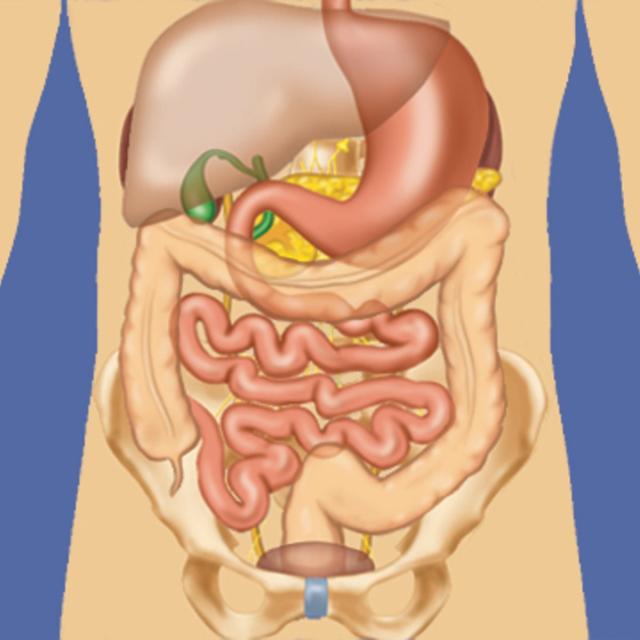
This module focuses on the overall purpose and structure of the digestive system organs, and the role of their accessory organs in digestion. We will explore yoga practices that can aid in promoting healthy digestion through movement. In addition, an overview of some pathologies associated with the digestive system, and how yoga can help enhance treatment.
WEEK 6
The Endocrine and Reproductive Systems
The focus of this module is to provide a basic understanding of the endocrine and the reproductive system. The lecture provides an overview of the main components of the endocrine system; hormones, glands and tissues/organs that are affected. In order to understand associated pathologies, specific hormones are highlighted in the class. In addition, the module goes over impact of long term stress with an in depth description of the HPA Axis. The yoga component of this module focuses on relaxing movement to decrease stress and promote a healthy endocrine system.
The Affect of Chronic Stress on Human Physiology
The focus of this module is to provide a physiological understanding of the stress response. The lecture provides an overview of stress as controlled by the sympathetic nervous system and the HPA axis. This gives us the ability to understand how stress can impact our bodies on a cellular, as well as, systems level and discuss related pathologies. This module is enhanced by an interview with Dr. Marshall Hagins who discusses the impact of stress on general health as well as pain. The yoga component of this module introduces breathing and meditation techniques to decrease chronic stress, and improve our overall health.
Summary
In this module we will integrate everything we have learned in the previous modules to enhance our overall health and wellness. The focus of this module is on practicing a short but complete practice, that can be done on a daily or weekly basis. This yoga practice was designed as part of a hypertension and yoga study, where it was able to reduce hypertension. Being able to integrate this complete practice into your daily lives is a perfect practical summary of everything that has been practiced.