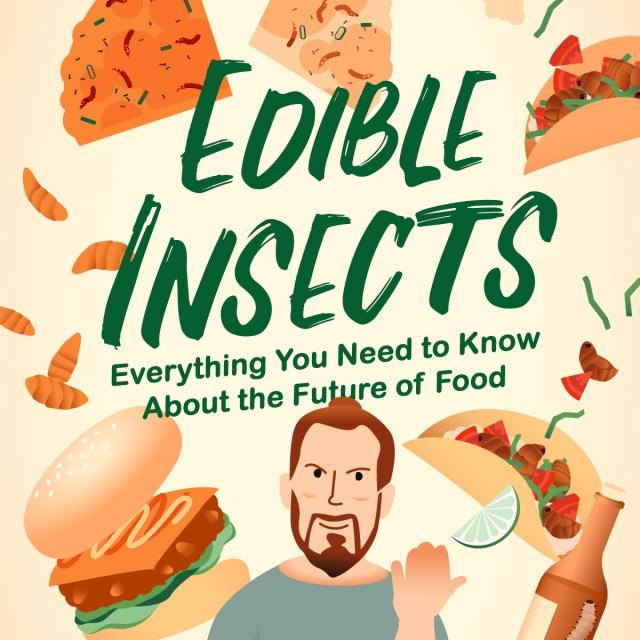
Edible Insects (Coursera)

Edible Insects (Coursera)

This English language course covers the science and sociology of insects as food and feed. Increasing media, investment, and public policy attention has been given over the years to the role insects may play in the future of food. Can eating insects really save the world from famine and environmental destruction? Are there health costs or benefits to adding insects to the diet? Will all people accept insects as food? Can we feed them to livestock? Should we be promoting edible insects at all, and if so, how best do we do it? What species will we eat and how shall we raise them?

Class Deals by MOOC List - Click here and see Coursera's Active Discounts, Deals, and Promo Codes.

This class examines all aspects of the edible insects question, with students taught a broad but thorough overview of the field and asked to consider questions in class about what role they think insects will play in their own food futures, and why they think this way.

What You Will Learn

  • Think critically about why we eat certain things and not others, and the cultural influences that shape these views.
  • Describe and evaluate the arguments driving the edible insect movement.
  • Know examples of edible insects and other insect products worldwide.
  • Be able to apply Diffusion of Innovations theory to food-related innovations.
  • Understand in what directions the edible insect field is going, and perhaps decide what role they want to play in it.

Syllabus

WEEK 1
Welcome to Edible Insects!
Hello, everyone! Welcome to Edible Insects! This English language course covers the science and sociology of insects as food and feed. Increasing media, investment, and public policy attention has been given over the years to the role insects may play in the future of food. Can eating insects really save the world from famine and environmental destruction? Are there health costs or benefits to adding insects to the diet? Will all people accept insects as food? Can we feed them to livestock? Should we be promoting edible insects at all, and if so, how best do we do it? What species will we eat and how shall we raise them? This class examines all aspects of edible insects, with students taught a broad but thorough overview of the field and asked to consider questions in class about what role they think insects will play in their own food futures, and why they think this way.

WEEK 2
Why do we eat what we eat?
This lecture has students think deeply about what influences our ideas of “food,” challenging their previously held assumptions. Why do we eat some animals and not others? Why some parts of animals and not others? We will then introduce the concept of eating insects specifically, and a basic overview of Diffusion of Innovations theory, which will be applied throughout the course when discussing why insect eating has or has not been adopted in different parts of the world.

WEEK 3
Edible Insects Around the World
This lecture provides a broad overview of traditional and modern edible insects from around the world, and how these are changing with time.

WEEK 4
The Benefits (and Costs) of Edible Insects
In this lecture, students will learn and analyze the environmentalist argument in favor of eating insect protein, and debate the ethical issues of insect consumption. Students will also learn about the nutrition and safety of edible insects. By the end, students should be able to make a fact-based decision on whether eating insects is acceptable for them, and justify their choice.
Go to Class
MOOC List is learner-supported. When you buy through links on our site, we may earn an affiliate commission.

Related Courses

Metabolic Makeover (Coursera) Coursera
National Academy of Sports Medicine

Metabolic Makeover (Coursera)

With people around the world obsessing over metabolism and weight loss, there remains great interest in discovering hacks and shortcuts that boost metabolism and accelerate weight loss. Apart from a basic understanding that metabolism translates to expended calories, how much is understood about the complexities of human metabolism? This course explores key concepts in metabolism and how they relate to weight management, discusses how to accurately measure metabolism, and introduces a variety of simple ideas and strategies employed to increase overall metabolism while promoting safe and effective weight loss.

Aug 3rd 2026
1 Week
Nutrición y obesidad: control de sobrepeso (Coursera) Coursera
Universidad Nacional Autónoma de México

Nutrición y obesidad: control de sobrepeso (Coursera)

En este curso, ofrecido por la UNAM, reconocerás una herramienta para evitar, manejar y controlar el sobrepeso y la obesidad, al destacar la importancia del autocuidado y el apoyo familiar en el manejo de este padecimiento. Te mostrará el verdadero valor de los alimentos como compañeros de tu vida, te alejará de los kilos de más y te forjará hábitos saludables que marcarán una senda de salud perdurable.

Aug 17th 2026
4 Weeks
Sustainable Food Production Through Livestock Health Management (Coursera) Coursera
University of Illinois at Urbana-Champaign

Sustainable Food Production Through Livestock Health Management (Coursera)

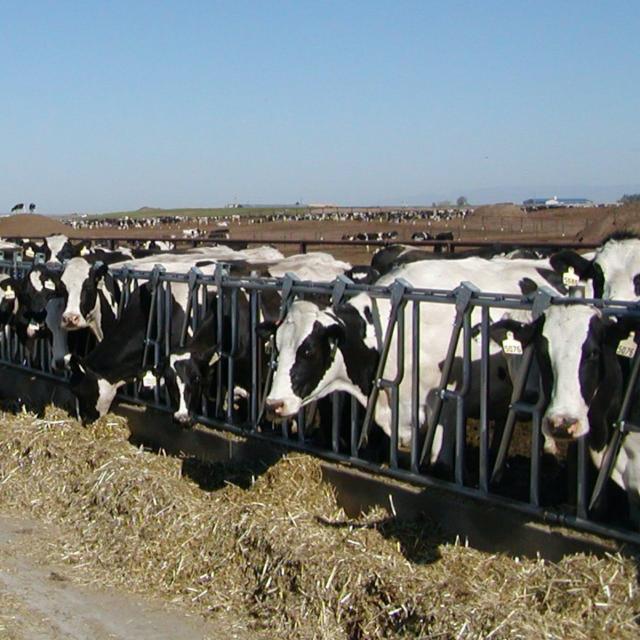
Learn about the impact of infectious disease on sustainable animal-based food production by understanding the science of growth, immunity, and infection and by learning the problem-solving skills needed to advance animal health and food production through optimal management practices. In this course we will explore the effect of infectious disease on sustainable animal-based food production. The content and learning outcomes of this new course will be designed to be relevant across different food production sectors (i.e., beef, dairy, poultry, and pigs).

Aug 10th 2026
5-12 Weeks
Chicken Behaviour and Welfare (Coursera) Coursera
University of Edinburgh

Chicken Behaviour and Welfare (Coursera)

This course explains the general principles of chicken behaviour and welfare, and the behavioural and physiological indicators that can be used to assess welfare in chickens kept in hobby flocks through to commercial farms. The focus is primarily on laying hens and meat chickens (broilers) although many of the principles are relevant to other types of poultry. The course is likely to be of interest to people who own chickens as pets or keep a small hobby flock, commercial egg and chicken meat producers, veterinarians and vet nurses.

Aug 10th 2026
5-12 Weeks
Science of Fat Metabolism (Coursera) Coursera
National Academy of Sports Medicine

Science of Fat Metabolism (Coursera)

The term “fat” can be applied to several aspects of health and fitness, from macronutrients in food to tissues in the body, to molecules in the blood. The consumption of fat can be a complex topic due to many different things: fat types, their health effects, the ways fats are metabolized and stored, etc. This course provides a greater understanding of fat-related concepts including the fats consumed in various diets, the physiology of fats within the body, in addition to ways fats are absorbed, stored, and utilized as fuel.

Aug 3rd 2026
1 Week
Introduction to Food and Our Environment (Coursera) Coursera
Stanford University

Introduction to Food and Our Environment (Coursera)

This course is designed to help learners around the world become more sustainable eaters. Together, we’ll explore key topics, like how food production impacts the environment and why meat production and protein consumption are often at the center of the debate around sustainability. We’ll introduce the pros and cons of different kinds of agriculture, fishing and food packaging, with a focus on how we can make more environmentally friendly decisions on a daily basis. We’ll also look ahead and explore some of the technology innovations that could become increasingly important as we look at the future of food for a growing global population.

Aug 3rd 2026
4 Weeks
The New Nordic Diet - from Gastronomy to Health (Coursera) Coursera
University of Copenhagen

The New Nordic Diet - from Gastronomy to Health (Coursera)

The New Nordic Diet is a new food culture developed in 2009-13 with key emphasis on gastronomy, health, and environment. Major research in its effect on acceptability, behaviour and learning skills, and disease prevention have been conducted by the OPUS centre at the University of Copenhagen and the people behind the award-winning restaurant Noma in Copenhagen. This course will give the participants the opportunity to experience a healthy and palatable new food and eating concept diet “The New Nordic Diet” and an understanding of how food and diets can affect mental and physical health and ensure the foundation for a healthier life style for future generations with a regional based diet and food culture.

Aug 3rd 2026
5-12 Weeks
Breastfeeding and Adequate Substitutes (Coursera) Coursera
Ludwig-Maximilians-Universität München

Breastfeeding and Adequate Substitutes (Coursera)

Ensuring adequate nutrition is essential for infants to reach their full potential, as early-life nutritional imbalances and deficiencies may result in detrimental and often irreversible adverse health consequences. "Breastfeeding and Adequate Substitutes" focuses on the important aspects of human milk composition, human lactation, breastfeeding practices, and the use of breastmilk substitutes.

Aug 17th 2026
5-12 Weeks
Bugs 101: Insect-Human Interactions (Coursera) Coursera
University of Alberta

Bugs 101: Insect-Human Interactions (Coursera)

Of all the animals on earth, which are the strongest for their size? What about the fastest? Who were the first animals to evolve flight? Insects take all of these titles and more! As the most abundant animals on the planet, insects and other arthropods affect our lives in so many ways. From beneficial interactions like pollination and biological pest control, to the transmission of life threatening diseases; this course will teach you about the big ways that these little arthropods impact our lives.

Aug 17th 2026
13-24 Weeks
An Introduction to the U.S. Food System: Perspectives from Public Health (Coursera) Coursera
Johns Hopkins University

An Introduction to the U.S. Food System: Perspectives from Public Health (Coursera)

A food system encompasses the activities, people and resources involved in getting food from field to plate. Along the way, it intersects with aspects of public health, equity and the environment. In this course, we will provide a brief introduction to the U.S. food system and how food production practices and what we choose to eat impacts the world in which we live. Through several case studies, we will discuss some key historical and political factors that have helped shape the current food system and consider alternative approaches from farm to fork.

Aug 3rd 2026
5-12 Weeks
Dairy Production and Management (Coursera) Coursera
Pennsylvania State University

Dairy Production and Management (Coursera)

With the world's first MOOOOO-C, you will gain a broad and comprehensive understanding of all aspects of dairy management such as genetics, nutrition, reproduction, animal health, farm economics, and sustainability of dairy production systems. There's something here for everyone whether you are just looking for the basics or have years of experience in the dairy industry.

Jul 27th 2026
5-12 Weeks