Conspiracy Planet (Coursera)

Conspiracy Planet (Coursera)

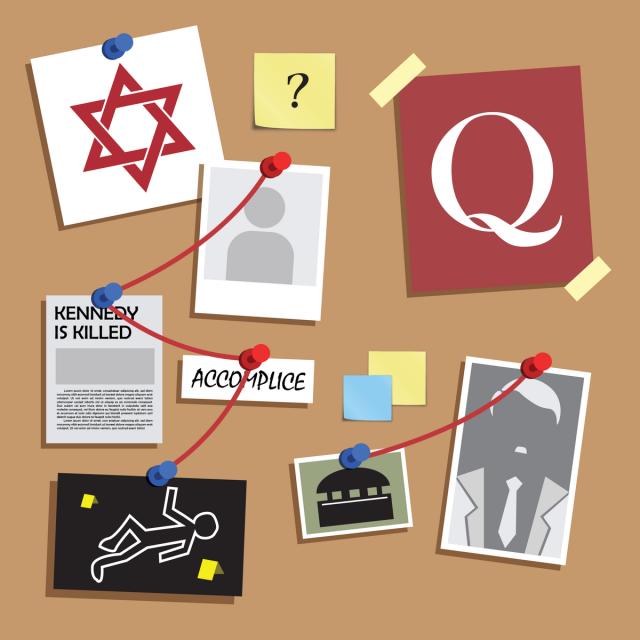
This course is for anyone interested in conspiracy theories. Millions of people around the world believe in conspiracy theories like The Protocols of the Elders of Zion, or that AIDS was deliberately created by governments and pharmaceutical companies, or that on September 11, 2001, the World Trade Center complex was downed not by airplanes, but by a “controlled demolition” masterminded by the United States national security state.

Class Deals by MOOC List - Click here and see Coursera's Active Discounts, Deals, and Promo Codes.

What are we to make of these claims? What do they say about our societies? How do they impact history, or reflect larger historical trends? How do we understand the context of these ideas? And how do we understand them in relation to objectively confirmed conspiracies, of which there are at least as many? How do we know when a conspiracy has really happened, and cannot simply be dismissed as a ‘theory’? We will grapple with these questions together through short videos, quizzes that will help you check your understanding of the material, discussion, and a final project in which you will create your own conspiracy theory.

What You Will Learn

  • Learners will be able to identify conspiracy theories.
  • Learners will be able to evaluate and critique conspiracy theories.
  • Learners will be able to create their own conspiracy theories.

Syllabus

WEEK 1
Introduction
This module is an introduction to the basics of conspiracy theory.

WEEK 2
Richard Hofstadter and the "Paranoid Style"
This module focuses on American historian Richard Hofstadter's book "The Paranoid Style in American Politics."

WEEK 3
Protocols of the Elders of Zion
This module covers the antisemitic conspiracy theories that grew from the fabricated text "The Protocols of the Elders of Zion."

WEEK 4
World War I
This module focuses on conspiracy theories invented to explain Word War I.

WEEK 5
JFK Assassination
This module covers some of the countless theories of the assassination of American President John F. Kennedy.

WEEK 6
Marilyn Monroe & Princess Diana Conspiracies
This module is an exploration of the relationship between grief and conspiracy theories.

WEEK 7
Conclusion
This is it. This is the last module, in which you will create your own (original) conspiracy theory and evaluate the conspiracy theories of your fellow learners.
Go to Class
MOOC List is learner-supported. When you buy through links on our site, we may earn an affiliate commission.

Related Courses

The History of Modern Israel – Part I: From an Idea to a State (Coursera) Coursera
Tel Aviv University

The History of Modern Israel – Part I: From an Idea to a State (Coursera)

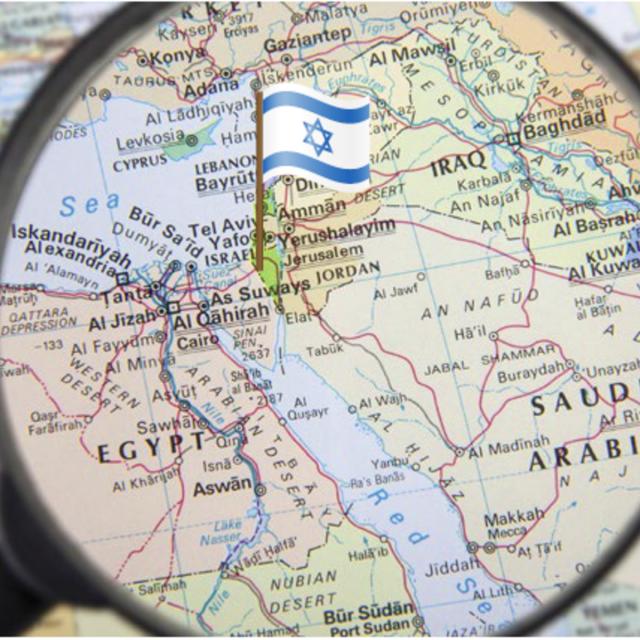
How did the State of Israel come to be? How is it that an idea, introduced in 19th century Europe, became a reality? And how does that reality prevail in the harsh complexities of the Middle East? Presented by Professor Eyal Naveh, with additional units from Professor Asher Sussers' "The Emergence of the Modern Middle East" course, This course will take you on a journey through the history of Modern Israel. In this 1st part of the course we will explore: How did the 19th century idea of a Jewish state become a reality? So the next time you hear about Israel in the news, you will be informed enough about the history of this area to comprehend the many sides and narratives that interact to shape the complex reality of Israel today.

Jun 1st 2026
3 Weeks
Coexistence in Medieval Spain: Jews, Christians, and Muslims (Coursera) Coursera
University of Colorado System

Coexistence in Medieval Spain: Jews, Christians, and Muslims (Coursera)

This course explores Jewish, Christian, and Muslim intercultural relations in Iberia from the Visigothic era (6th century CE) until the creation of Queen Isabel I and King Ferdinand II Catholic Spain (late 15th century). We evaluate the many identities of the peninsula known as Christian Hispania, Jewish Sefarad, and Islamic al-Andalus. We trace the origins and trajectory of conflict between these communities (the Muslim conquest of Spain, Christian Reconquista, prohibitions blocking intermixing of peoples, and expulsions).

Jun 8th 2026
5-12 Weeks
From World War to White Heat: the RAF in the Cold War (FutureLearn) FutureLearn
Royal Holloway, University of London

From World War to White Heat: the RAF in the Cold War (FutureLearn)

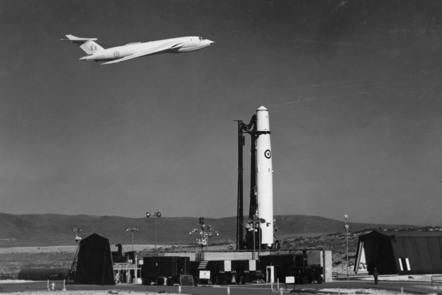
Explore the role that the Royal Air Force played in the Cold War through the collections of the RAF Museums at Hendon and Cosford. This free online course is a collaboration between the Royal Air Force (RAF) Museums and the Department of History at Royal Holloway, University of London. It will introduce you to some of the major turning points in the history of Britain in the post-1945 era.

Nov 8th 2021
5-12 Weeks
Introduction to American History: From Reconstruction to World War, 1865-1919 (FutureLearn) FutureLearn
The University of Newcastle, Australia

Introduction to American History: From Reconstruction to World War, 1865-1919 (FutureLearn)

Explore American history since 1865. Learn about the Civil War, Reconstruction, segregation and US foreign policy. Discover key moments in American history after the Civil War. American history is vast and complex. Through this course you will explore some of its key moments - examining domestic history and foreign relations.

No sessions available
3 Weeks
A Brief History of Human Spaceflight (Coursera) Coursera
University of Houston System

A Brief History of Human Spaceflight (Coursera)

This course provides a view of the history of spaceflight, from early writings telling of human's fascination of space through the early Russian and American space stations. Developed as an interesting and entertaining slice of space history that is accessible to anyone with an interest in human spaceflight

Jun 1st 2026
5-12 Weeks
Indigenous Canada (Coursera) Coursera
University of Alberta

Indigenous Canada (Coursera)

Indigenous Canada is a 12-lesson Massive Open Online Course (MOOC) that explores Indigenous histories and contemporary issues in Canada. From an Indigenous perspective, this course explores key issues facing Indigenous peoples today from a historical and critical perspective highlighting national and local Indigenous-settler relations.

Jun 1st 2026
5-12 Weeks
Transmedia Writing (Coursera) Coursera
Michigan State University

Transmedia Writing (Coursera)

Do you have a desire to write a novel, write a screenplay, design a video game? In this project-centered course you will develop your own, original, intellectual property (IP) into a transmedia project containing written versions of your IP on various platforms. You will begin your novel, adapt the first chapters of your novel into the opening scenes of a film or TV show and create a game design concept of your IP.

Jun 1st 2026
5-12 Weeks
Iniciación a los Jeroglíficos Egipcios (Coursera) Coursera
Universitat Autònoma de Barcelona

Iniciación a los Jeroglíficos Egipcios (Coursera)

¿Te apasiona la historia y la cultura del antiguo Egipto? ¿Sientes fascinación por las lenguas y los sistemas de escritura de las civilizaciones de la Antigüedad? ¿Te atrae la idea de adentrarte en el secreto de los jeroglíficos egipcios y comprender las claves de su lectura e interpretación? ¡Si es así, este es tu curso!

Jun 8th 2026
5-12 Weeks
Antisemitism: From Its Origins to the Present (Coursera) Coursera
Yad Vashem

Antisemitism: From Its Origins to the Present (Coursera)

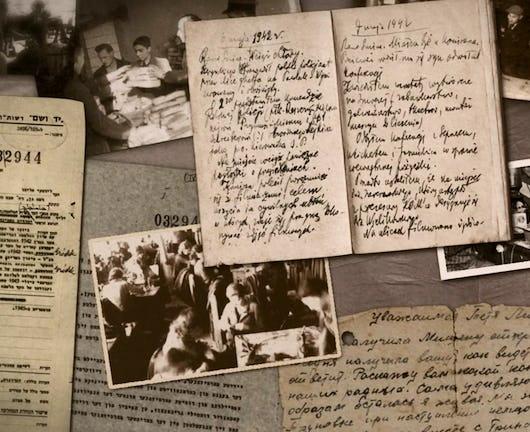
In this course, 50 leading scholars from all over the world will explore questions and issues relating to antisemitism including: what is antisemitism? How has it changed throughout history? Why can it be found among so many diverse cultures, and even among opposing ideologies? What happened to antisemitism after the Holocaust? How is antisemitism expressed today, and what are the main spheres in which it can be found?

Jun 1st 2026
5-12 Weeks
The Bible's Prehistory, Purpose, and Political Future (Coursera) Coursera
Emory University

The Bible's Prehistory, Purpose, and Political Future (Coursera)

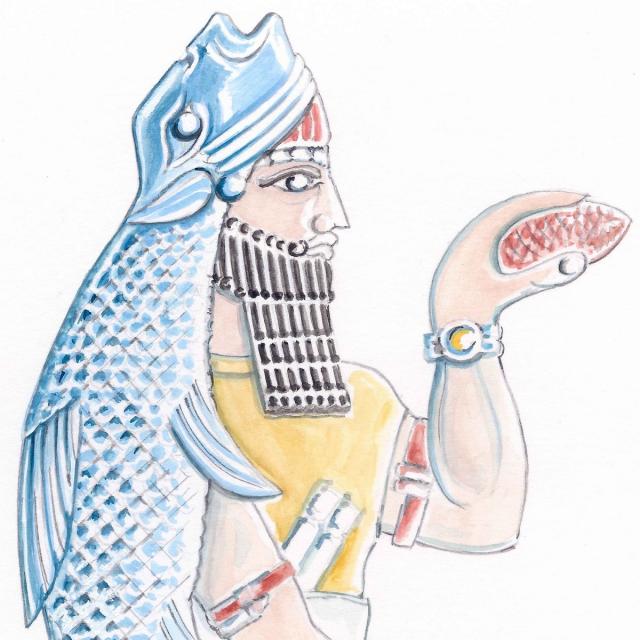
With its walls razed to ground by Babylon’s armies, Jerusalem joined a long line of ancient vanquished cities—from Ur and Nineveh and Persepolis to Babylon itself. While some recovered from the destruction, others did not. But none responded to political catastrophe by fashioning the kind of elaborate and enduring monument to their own downfall that we find in the Bible. Most conquered populations viewed their subjugation as a source of shame. They consigned it to oblivion, opting instead to extol the golden ages of the past. The biblical authors in contrast reacted to loss by composing extensive writings that acknowledge collective failure, reflect deeply upon its causes, and discover thereby a ground for collective hope.

Jun 1st 2026
5-12 Weeks