Understand and explore the physical processes behind the weather. Weather affects our lives almost every day through what we wear, what we eat and what we do. But why is it rainy, windy or sometimes even sunny? Explore some of the physical processes driving UK weather systems and get hands on in the world of weather with practical activities and fieldwork.
Class Deals by MOOC List - Click here and see FutureLearn's Active Discounts, Deals, and Promo Codes.
Try your hand at forecasting and have a go at interpreting weather maps and compare your results to our educator Dr Sylvia Knight’s. You’ll also watch our educators carrying out simple but effective experiments including creating clouds or simulating hot air rising and demonstrating the Coriolis effect.
What topics will you cover?
Week 1:
Introduction to high and low pressure systems
Weather and climate differences
Depressions and anticyclones
Week 2:
Where does weather come from and why does it rain?
Air masses and types of rain
Measuring the weather
Week 3:
Global controls on weather
Global atmospheric circulation
Other weather systems: Monsoons, Tropical cyclones and El Niño/La Niña.
What will you achieve?
By the end of the course, you'll be able to...
- Describe the weather features associated with depressions, anticyclones and the four main air masses which affect the UK
- Interpret a synoptic or weather chart to provide details about wind speed and direction, precipitation and cloud cover
- Describe some of the physical processes which give rise to weather, such as convection, condensation, pressure gradients and the Coriolis force
- Investigate local weather conditions using readily available instruments
- Explain some of the processes which transfer energy through the Earth system, including the transient effects of volcanoes and changes in the Earth’s orbit, and how these processes relate to the Earth’s climate
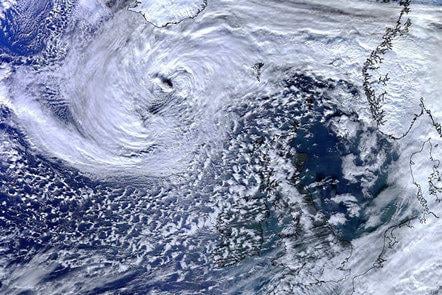
- Apply an understanding of mid-latitude weather systems to the analysis of weather data and images