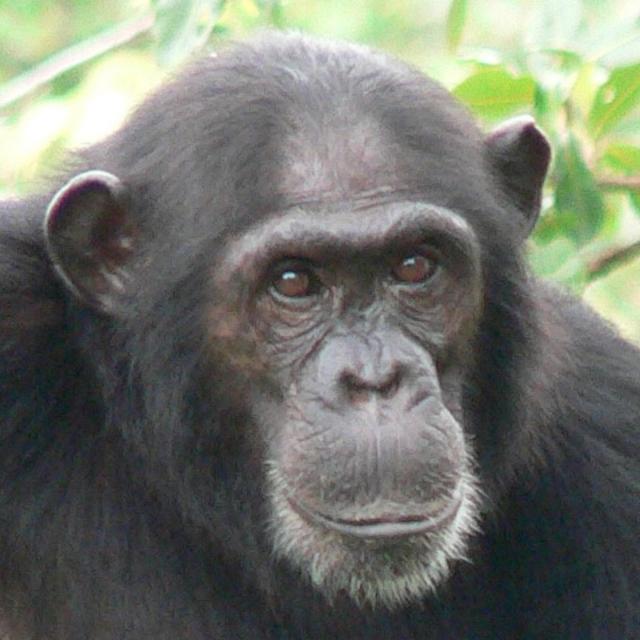
Chimpanzees are one of our closest living relatives, yet almost nothing was known about their behavior in the wild until Jane Goodall started her groundbreaking study of the chimpanzees of Gombe, Tanzania in 1960. This study continues today, following the same chimpanzee families that Jane Goodall first encountered over 55 years ago. Guided by three course instructors who have lived and worked with the Gombe chimpanzees, you will learn how Goodall’s early discoveries changed our view of human uniqueness.
Class Deals by MOOC List - Click here and see Coursera's Active Discounts, Deals, and Promo Codes.
By completing the course, you will gain a new appreciation of the deep similarities between chimpanzees and humans in intelligence, tool use, hunting, personality and social relationships, as well as some key differences. You will learn how chimpanzees interact with their environment and how their behavior is influenced by ecology, as well as the severe conservation challenges they face today. And you will employ your new knowledge of chimpanzees to construct a persuasive argument for their protection. This course is open to everyone interested in learning more about these fascinating and complex beings. Knowledge of high-school level biology is beneficial but not required. Please keep in mind, however, that the content of this course will cover all aspects of chimpanzee life, including scientific discussion of sexual and aggressive behaviors.
Syllabus
WEEK 1
Introduction
Welcome! We are glad you chose to join us to learn more about chimpanzees. We are looking forward to sharing what we've learned while we have studied chimpanzees. Please watch our welcome video to get started.
The Early Days
For this week, learners will experience the adventure and risks that Jane Goodall undertook in launching her research at Gombe. Learners will be able to recognize why it's important to study chimpanzees and the kinds of research questions we can ask by studying them. Learners will be able to identify different techniques used to collect the different kinds of data necessary to answer the research questions. Additionally, learners will be able to identify the range of chimpanzee populations across Africa and the structure of chimpanzee communities.
WEEK 2
Early Life and Mother-Infant Bonds
In this week, learners will understand key similarities and differences in birth and motherhood in chimpanzees and humans and will be able to list and explain major development milestones in infant and juvenile chimpanzees. Additionally, learners will be able to classify types of infant play and recognize the value of play for chimpanzee development.
WEEK 3
Making a Living in the Forest
Upon completion of this week's materials, learners will be able to create a framework to outline a typical day in the life of a chimpanzee. This includes being able to identify important food sources for chimpanzees and being able to relate differences in diet to changes in behavior. Learners will also be able to hypothesize about the cognitive skills required for chimpanzees to forage and hunt successfully.
WEEK 4
Social Lives and Relationships
In this week, learners will be able to identify the types of competitive and friendly behavior that chimpanzees demonstrate between and within groups. They will appreciate the importance of dominance hierarchies and how these are determined and be able to evaluate the importance of close social bonds for chimpanzees. Learners will also be able to identify both male and female mating strategies, including female sexual swellings and when they occur. Additionally, by the end of this week learners will be able to explain why there can be conflict between males and females over mating and why inbreeding is worse for females than males.
WEEK 5
Protecting Chimpanzees
In this week, learners will be able to identify and describe threats to chimpanzee populations and evaluate the role that captive chimpanzees play in chimpanzee conservation. Learners should also be able to make an effective argument against the use of chimpanzees in entertainment in terms of effects on conservation efforts and attitude, as well as assess the importance of education and human wellness in conservation outcomes. Lastly, learners should be inspired to contribute to the goal of chimpanzee conservation through actions and outreach.