Understanding Romantic Relationships (FutureLearn)

Understanding Romantic Relationships (FutureLearn)

Get an introduction to romantic relationships, considering the types of relationship and the early stages of relationships. Build a foundational knowledge of romantic relationships and how they start. Why and how do we choose a romantic partner, or partners? What challenges are faced in the early stages of a romantic relationship? What types of romantic relationship are there? Get answers with the first course in a series exploring romantic relationships.

Class Deals by MOOC List - Click here and see FutureLearn's Active Discounts, Deals, and Promo Codes.

You’ll learn about the types of romantic relationships people have around the world (including monogamy and polyamory), and understand how people make choices when they enter a relationship. You will explore research on attraction and mate selection, and consider processes and challenges in the early stages of relationships.

What topics will you cover?

  • Types of relationships from around the world, including monogamy, consensual non-monogamy (e.g., polygamy, polyamory), same-sex and different sex relationships, friends with benefits, “love” versus arranged marriages, and married versus unmarried committed relationships.
  • Deciding on the kind of relationship you want: pros and cons of singlehood, how relationship beliefs shape our goals, perceptions, and thoughts about relationships, balancing personal goals with cultural/social/family expectations.
  • The types of factors that influence attraction and where to meet partners: physical characteristics, personality, relationship goals and values.
  • Early relationship milestones and challenges: moving from initial attraction to dating to commitment, assessing compatibility with personal goals.

What will you achieve?
By the end of the course, you'll be able to...

  • Identify different types of relationships that individuals have around the world.
  • Explore factors associated with the decision to enter a relationship, such as personal goals and social expectations.
  • Describe attractive. Students will learn what is considered “attractive” and how these perceptions vary (or not) across cultures.
  • Investigate in detail the theories and research about dating and early relationship milestones (e.g., sexual initiation).
Go to Class
MOOC List is learner-supported. When you buy through links on our site, we may earn an affiliate commission.

Related Courses

Psychology of Popularity (Coursera) Coursera
University of North Carolina

Psychology of Popularity (Coursera)

The level of popularity you experienced in childhood and adolescence is still affecting you today in ways that you may not even realize. Learn about how psychologists study popularity and how these same concepts can be used in adulthood to be more successful at work, become better parents, and have a happier life.

Sep 14th 2026
5-12 Weeks
Liver Disease: Looking After Your Liver (FutureLearn) FutureLearn
University of Birmingham

Liver Disease: Looking After Your Liver (FutureLearn)

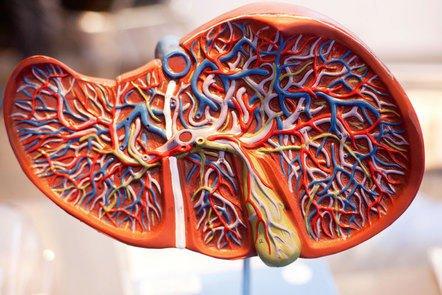
Learn about how your liver works, ways to look after it and how liver damage is caused, studied and treated around the world. We are currently experiencing an international explosion of liver disease that continues to have enormous impact upon healthcare systems and global health. In the UK we have seen a 20% increase in deaths related to liver disease since 2000 and this pattern reflects the global situation.

Self Paced
3 Weeks
Communications Styles for Stronger Social Connections (Skillshare) Skillshare
Skillshare

Communications Styles for Stronger Social Connections (Skillshare)

Sometimes when you try to connect with someone, it seems as though you come from different worlds. You may feel frustrated or disappointed that you are not making any progress. This situation can happen in both your personal or professional life. This course is for anyone who would like to develop better communication skills and build stronger relationships in any category of your life; work, business, family, or personal life.

Self Paced
Self-Paced
Psychology of Personal Growth (edX) EdX
The Hong Kong University of Science and Technology - HKUST,HKUSTx

Psychology of Personal Growth (edX)

Learn to understand personal growth from a comparative perspective. Want to learn about how you become who you are, but not sure where to kick off that journey? This is a fantastic course for you. This course covers important factors influencing your growing up. We discuss personality and emotion, romantic and intimate relationships, as well as the interplay between culture and these factors on your personal growth journey.

Self Paced
Self-Paced
COMMUNICATION | How to Avoid Misunderstandings and Work Worldwide (Skillshare) Skillshare
Skillshare

COMMUNICATION | How to Avoid Misunderstandings and Work Worldwide (Skillshare)

Are you Traveling, working internationally or living abroad? You want to engage and create effective relationships across the world? This course will help you to build culture competence. Being global means being able to deal with different cultures. Whether you are traveling abroad or living abroad or staying home but working with other cultures, this course will be beneficial for you.

Self Paced
Self-Paced
u.lab: Leading From the Emerging Future (edX) EdX
MIT,MITx

u.lab: Leading From the Emerging Future (edX)

An introduction to leading profound social, environmental and personal transformation. We live in a time of disruptive change. How to activate our capacity to lean into the emerging future may well be the most important leadership challenge of our time. How do you cultivate curiosity, compassion and courage in the face of prejudice, anger and fear?

This course is archived
5-12 Weeks
Measuring Causal Effects in the Social Sciences (Coursera) Coursera
University of Copenhagen

Measuring Causal Effects in the Social Sciences (Coursera)

How can we know if the differences in wages between men and women are caused by discrimination or differences in background characteristics? In this course we look at causal effects as opposed to spurious relationships. We will discuss how they can be identified in the social sciences using quantitative data, and describe how this can help us understand social mechanisms.

Jun 13th 2022
5-12 Weeks