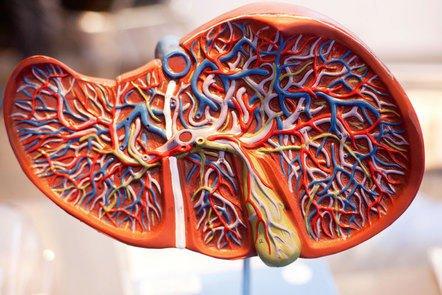
Liver Disease: Looking After Your Liver (FutureLearn)

Liver Disease: Looking After Your Liver (FutureLearn)

Learn about how your liver works, ways to look after it and how liver damage is caused, studied and treated around the world. We are currently experiencing an international explosion of liver disease that continues to have enormous impact upon healthcare systems and global health. In the UK we have seen a 20% increase in deaths related to liver disease since 2000 and this pattern reflects the global situation.

Class Deals by MOOC List - Click here and see FutureLearn's Active Discounts, Deals, and Promo Codes.

Contrary to expectations, this dramatic increase in liver disease is not restricted to patients who drink alcohol, and liver cancer is the third most common cause of cancer related death. Many inherited conditions and acquired infections can also cause liver disease, and liver disease as a consequence of obesity and diet is becoming especially significant.
This course will teach you about the amazing roles the liver fulfils to keep you healthy and will show you how these functions are compromised when the liver is damaged. We will highlight the reasons why liver disease is on the increase and show you some of the amazing new treatment options available to address the global challenge of liver disease. Finally we will also show you some simple steps you can take to look after your liver.

What topics will you cover?

  • Liver anatomy and function
  • Regeneration
  • Viruses, autoimmunity, alcohol and metabolic disease
  • Jaundice
  • Fibrosis
  • Diet and the liver

What will you achieve?
By the end of the course, you'll be able to...

  • Describe the anatomy and function of the liver, and understand how individual cell types contribute to these
  • Compare the signs and symptoms of liver disease and understand what causes them
  • Discuss the major global causes of liver disease
  • Reflect on the varied causes of liver disease
  • Explore treatments for different types of liver disease and understand the challenges of treatment
  • Explore how diet impacts on the function of both healthy and diseased livers

Who is the course for?
The course will be of relevance to those who enjoy the study of biology and are interested in medicine. Secondary or High school-level knowledge of science is sufficient to complete this course. There will also be optional, additional materials for those already educated to undergraduate level and those who would like to challenge themselves and explore beyond the core material.

Go to Class
MOOC List is learner-supported. When you buy through links on our site, we may earn an affiliate commission.

Related Courses

Achieving Sustainable Development (FutureLearn) FutureLearn
Trinity College Dublin

Achieving Sustainable Development (FutureLearn)

Explore the challenges of sustainable development. See the impact of UN Sustainable Development Goals on real people. Consider the impact that UN Sustainable Development Goals could have. Governments of the world have signed up to the Sustainable Development Goals (SDGs), a UN initiative for international development. They are targets for improving the world by 2030, including: health, environment, education, and security. But will they have an impact on the lives of people?

Self Paced
4 Weeks
Exercise Prescription for the Prevention and Treatment of Disease (FutureLearn) FutureLearn
Trinity College Dublin

Exercise Prescription for the Prevention and Treatment of Disease (FutureLearn)

Learn how physical exercise can help patients including those with cardiovascular disease, mental health problems and cancer. In the last few decades physical exercise has become well established as a tool to prevent and treat disease. Perceptions within the healthcare sector of exercise and its prescription as a treatment have changed dramatically in recent years.

Self Paced
2 Weeks
Inside Cancer: How Genes Influence Cancer Development (FutureLearn) FutureLearn
University of Bath

Inside Cancer: How Genes Influence Cancer Development (FutureLearn)

Understand how genetics influence the development and spread of cancer, with this free, introductory online course. What is the one thing that all cancers have in common? They begin as mutant or rebel cells! In this course we will explore how changes in cancer genetics and epigenetics enables these cells to grow uncontrollably, by exploiting our blood vessels and immune system along with other systemic changes.

Self Paced
4 Weeks
Dysphagia: Swallowing Difficulties and Medicines (FutureLearn) FutureLearn
University of East Anglia

Dysphagia: Swallowing Difficulties and Medicines (FutureLearn)

This course will enhance the knowledge of any person involved in the administration of medicines to patients with dysphagia. The course offers an opportunity to network with other learners and with the creators of the course through discussions, graphs and social networking features and to share knowledge with other learners and professionals.

Self Paced
5-12 Weeks
Challenges in Antibiotic Resistance: Gram Negative Bacteria (FutureLearn) FutureLearn
British Society for Antimicrobial Chemotherapy - BSAC

Challenges in Antibiotic Resistance: Gram Negative Bacteria (FutureLearn)

This course by BSAC is for healthcare professionals managing infections. You will learn about Gram Negative Bacteria. Identify, diagnose and treat gram negative bacterial infections. Gram negative bacteria (GNB) are a group of bacteria that can cause infection and toxic reaction in patients, yet are difficult to differentiate and treat with antibiotics due to their structure.

Self Paced
3 Weeks
Quality Improvement in Healthcare: the Case for Change (FutureLearn) FutureLearn
University of Bath

Quality Improvement in Healthcare: the Case for Change (FutureLearn)

Explore new and better ways of organising health and social care services, to improve quality, with this free online course. Why is quality improvement in health and social care systems so difficult? Why is it so challenging to bring in new and better ways of organising health and social care services? Many reasons have been put forward: lack of money; lack of knowledge about either the actual quality of care delivered, or resistance to making changes to long-established ways of working; excessive and sometimes misunderstood regulations; and professional opinions and interests that are hard to influence when systems are working at or beyond capacity.

Self Paced
5-12 Weeks
Causes of Human Disease: Exploring Cancer and Genetic Disease (FutureLearn) FutureLearn
University of Leeds

Causes of Human Disease: Exploring Cancer and Genetic Disease (FutureLearn)

Explore how the unravelling of genetic code has led to a deeper understanding of genetic diseases and cancer. It’s widely known that some diseases run in families. The discovery of the structure of DNA and the unravelling of the genetic code has led to a deeper understanding of such diseases. We now know more about the genetic basis of cancer and how cancer cells are formed and reproduce. On this course you’ll explore the structure of DNA, its processes and learn how genetic disease results from DNA alterations.

Self Paced
2 Weeks
Biochemistry: the Molecules of Life (FutureLearn) FutureLearn
University of East Anglia

Biochemistry: the Molecules of Life (FutureLearn)

Explore the impact of biochemistry on bioenergy and health, discovering why graduates are in demand; with the Biochemical Society. Biochemistry brings together all of the sciences to study the chemical and physical processes that occur in living organisms. It truly is the science of life. As a scientific discipline in its own right, biochemistry has a major impact on all areas of the life sciences and biochemists are in high demand among employers.

Self Paced
3 Weeks
Introduction to Health Technology Assessment (FutureLearn) FutureLearn
University of Glasgow

Introduction to Health Technology Assessment (FutureLearn)

Learn about health technology assessment (HTA) and quality of life (QoL), and how they’re used to decide which treatments to fund. Get an introduction to health technology assessment (HTA). This online course provides a short, interactive introduction to health technology assessment (HTA), based on the University of Glasgow’s successful online distance-learning programme, the MSc in HTA.

Self Paced
3 Weeks
Digital Health for Cancer Management: Smart Health Technologies in Complex Diseases (FutureLearn) FutureLearn
Taipei Medical University

Digital Health for Cancer Management: Smart Health Technologies in Complex Diseases (FutureLearn)

Learn how new digital health technologies are transforming cancer management with this course for healthcare professionals. Recent advances in cancer treatment and management have lead to people with cancer living longer than ever before, now healthcare must begin to consider how to help people with cancer live healthily. On this course you will explore and discuss how new digital health technologies, like wearables, social media and home sensors, are starting to transform the management of cancer.

Self Paced
4 Weeks
Protecting Health Data in the Modern Age: Getting to Grips with the GDPR (FutureLearn) FutureLearn
University of Groningen

Protecting Health Data in the Modern Age: Getting to Grips with the GDPR (FutureLearn)

Learn how the GDPR helps to protect health data and get familiar with rights, obligations, risks and safeguards. Join this course to understand how health data is protected. People use technologies to track their fitness and health. Medical and health professionals use technologies to treat patients. These technologies generate a lot of health data. With technological developments in the health sector come questions of privacy.

Self Paced
2 Weeks