Transporte inteligente para un futuro sostenible (URJC)

Transporte inteligente para un futuro sostenible (URJC)

Este curso se centra en el tratamiento de aspectos estrechamente vinculados con el transporte por carretera, incluidos los condicionantes tecnológicos, energéticos y medioambientales asociados al transporte actual, así como las perspectivas en nuevos desarrollos de combustibles, tecnologías de la combustión, gestión sostenible de transporte y vehículos autónomos. Finalmente, aquí también podrás descubrir la opinión de importantes sectores relacionados con la movilidad sobre el futuro del transporte que nos espera.

El transporte es una de las áreas de mayor consumo energético de los estados y este consumo no deja de incrementarse año tras año, llegando a representar el 40% de la energía final invertida por un país como España. De toda esta energía, el transporte por carretera supone el 80% y, en la actualidad, prácticamente toda esa energía proviene de recursos energéticos fósiles como el petróleo. Esta situación nos enfrenta a importantes retos, ya que el transporte, cada vez más necesario en nuestras sociedades modernas, debe compatibilizarse con modos de desplazamiento energéticamente eficientes y medioambientalmente sostenibles.

Si estás interesado en el desarrollo sostenible, en qué papel juega el transporte en todo ello, y en cómo nos moveremos en unos pocos años, el curso ‘Transporte inteligente para un futuro sostenible’ te ayudará a saber más sobre todo ello. ¡Bienvenido!.

Qué vas a aprender
En este curso se proporciona una visión global de diferentes aspectos relacionados con la energía destinada al transporte:

  • Panorama actual de los modos de transporte y sus implicaciones medioambientales. ¿Qué necesitamos mejorar?
  • Tecnología de propulsión basada en combustión interna y desarrollo de nuevos biocarburantes ambientalmente sostenibles. ¿Tecnología conocida con un futuro prometedor?
  • Tecnología de propulsión para vehículos híbridos y eléctricos. ¿Cómo son las baterías de los coches?
  • Herramientas aplicadas a la gestión del transporte. ¿Cómo movernos de forma inteligente?
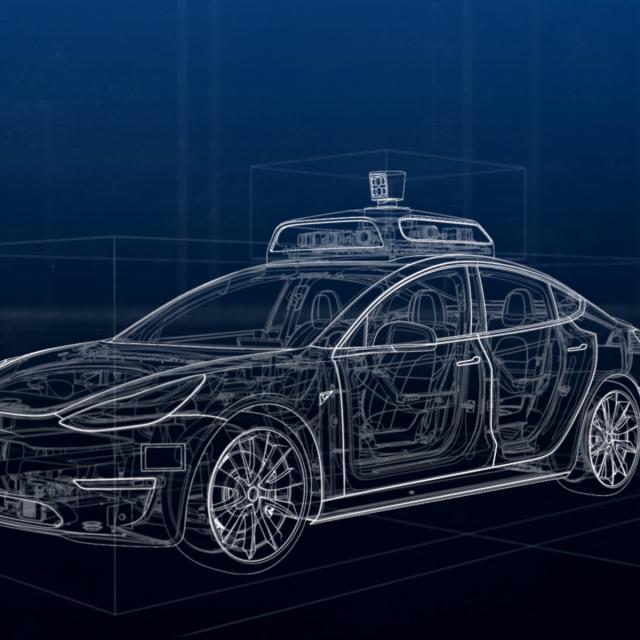
  • Vehículos autónomos: Herbie, Kit,… ¿Mi coche me hablará algún día?

Además, el curso cuenta con la visión que proporcionan varias entidades colaboradoras con el Mooc en materia de futuro del transporte y como lograr que éste sea sostenible.

Requisitos
No es necesario ningún conocimiento previo, pues se trata de un curso introductorio destinado a personas que tengan interés en aspectos transversales relacionados con el transporte, la energía, el desarrollo sostenible, y el medio ambiente.
Dado el carácter generalista del curso no se exige una titulación previa, si bien puede considerarse especialmente interesante para estudiantes, presentes y futuros, de grados en áreas de conocimiento científicas, ingenieriles y afines.

Go to Class
MOOC List is learner-supported. When you buy through links on our site, we may earn an affiliate commission.

Related Courses

Sustainable Transportation Networks and Streetscapes (Coursera) Coursera
Johns Hopkins University

Sustainable Transportation Networks and Streetscapes (Coursera)

This course will evaluate best practices in transportation networks, thoroughfares, and streetscape designs for the effective movement of people, goods, and services in a region. Sustainable public and private streetscape design and application will be reviewed and evaluated for applications for sustainable cities. Considerations are assessed for smart urban planning, growth, and lifestyle. Strategies for creating equitable, healthy, and sustainable communities are also evaluated.

Aug 24th 2026
3 Weeks
Cybersecurity Policy for Aviation and Internet Infrastructures (Coursera) Coursera
University of Colorado System

Cybersecurity Policy for Aviation and Internet Infrastructures (Coursera)

In this course we will examine the aviation and Internet infrastructures, and various policies that have been developed to help guide and strengthen their cybersecurity programs. The aviation and Internet infrastructures are also considered "lifeline infrastructure" as part of the transportation and communications sectors. Both subsectors are overseen by the Department of Homeland Security National Protection and Programs Directorate which manages the DHS National Infrastructure Protection Program.

Aug 24th 2026
4 Weeks
Procurement & Logistics Management (edX) EdX
International Supply Chain Education Alliance,ISCEA

Procurement & Logistics Management (edX)

Learn fundamental concepts regarding the flow of goods and materials throughout the supply chain. Starting from procurement and continuing with logistics; including the management of inventory, transportation and facilities in the distribution network - part of the ISCEA CSCA - Certified Supply Chain Analyst - Internationally Recognized Certificate. The Procurement & Logistics Management course is designed to provide the foundational skills to manage the flow of materials and goods throughout the supply chain.

Self Paced
Self-Paced
Green Travel and Climate Change: An Introduction to Low Carbon Road Transport (FutureLearn) FutureLearn
Cenex

Green Travel and Climate Change: An Introduction to Low Carbon Road Transport (FutureLearn)

Find out the impact of road transport on carbon emissions and climate change, and how low carbon transport technologies can help. Explore the role of low carbon transport technologies in tackling climate change. This course explores the key transport technologies, trends, and policies that are enabling a transition to low emission vehicles.

Aug 2nd 2021
4 Weeks
Planning for Autonomous Vehicles: A People-Centred Approach (FutureLearn) FutureLearn
EIT Urban Mobility

Planning for Autonomous Vehicles: A People-Centred Approach (FutureLearn)

Learn how autonomous vehicles can improve urban mobility, and how good town planning can ensure they do just that. Successfully incorporate autonomous vehicles into sustainable urban planning. For sustainable future cities, the way people use and move around urban spaces must be reviewed. The town planning done now will have massive impacts on city dwellers’ quality of life in the years to come.

Jan 31st 2022
4 Weeks
Supply Chain Principles (Coursera) Coursera
Georgia Institute of Technology

Supply Chain Principles (Coursera)

This course will provide a solid understanding of what a supply chain is all about. The course: provides an introduction to Supply Chain; leverages graphics to promote the Integrated Supply Chain model; emphasizes understanding the Extended Supply Chain; presents a holistic approach – Incorporating People, Process, and Technology; calls-out industry-specific supply chain; leverages discussions, videos, quizzes, and questions for consideration; provides awareness of career path opportunities; presents emerging and futuristic trends in supply chain and given that at GT we are focused on developing what’s next in the world, we include Discussion of emerging and futuristic trends in supply chain. There is very little math involved in this course – so don’t worry at all about your math skills.

Aug 31st 2026
5-12 Weeks
Supply Chain Analytics (Coursera) Coursera
Rutgers University

Supply Chain Analytics (Coursera)

Welcome to Supply Chain Analytics - the art and science of applying data analytics to assess and improve supply chain performance! A supply chain is a complex system with conflicting objectives of cost efficiency and customer satisfaction. Supply chain management is becoming increasingly data driven. Through the real-life story and data of a major US telecommunication company, you will learn the analytics tools / skills to diagnose and optimize a supply chain.

Jun 29th 2026
4 Weeks
Act on Climate: Steps to Individual, Community, and Political Action (Coursera) Coursera
University of Michigan

Act on Climate: Steps to Individual, Community, and Political Action (Coursera)

Are you concerned about climate change? Would you like to learn how to address and respond to this challenge? If so, this course is for you. Act on Climate: Steps to Individual, Community, and Political Action is intended to help learners understand, address and respond to climate change as individuals and in partnership with their communities and political leaders.

Sep 7th 2026
5-12 Weeks
International Business Operations (Coursera) Coursera
University of Colorado Boulder

International Business Operations (Coursera)

This course provides learners with a solid foundation in international supply, logistics, and foreign currency exchange. Foreign exchange is included in this course since it plays such an important role in planning and executing international operations. The first half of the course reviews critical roles that supply chain management, sourcing, logistics, and transportation play in contemporary global business. In the second half, the focus shifts to foreign currency exchange risks and methods for mitigating those risks, both financial and non-financial.

Aug 31st 2026
5-12 Weeks