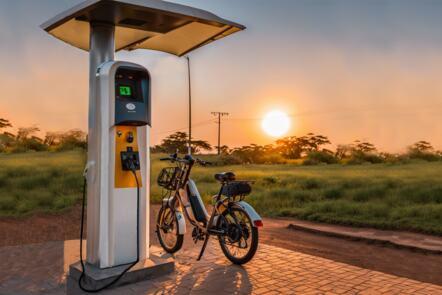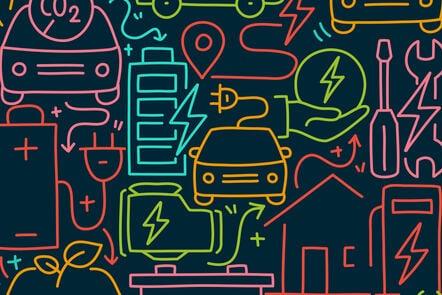
Green Travel and Climate Change: An Introduction to Low Carbon Road Transport (FutureLearn)

Offered by Cenex,
Green Travel and Climate Change: An Introduction to Low Carbon Road Transport (FutureLearn)

Find out the impact of road transport on carbon emissions and climate change, and how low carbon transport technologies can help. Explore the role of low carbon transport technologies in tackling climate change. This course explores the key transport technologies, trends, and policies that are enabling a transition to low emission vehicles.

Class Deals by MOOC List - Click here and see FutureLearn's Active Discounts, Deals, and Promo Codes.

You’ll build a strong understanding of transport carbon emissions that will stand you in good stead to further explore the many different topics around low emission transport in more depth.

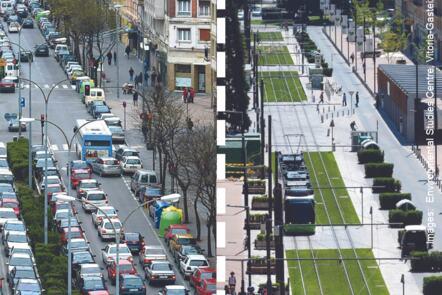
Explore how carbon emissions are affecting urban air quality
The transition to low emission road transport is gathering pace as the world battles to control emissions-induced climate change and urban air quality issues.
On this course, you’ll compare and contrast the leading low emission technologies in road transport.
Whether you work in the automotive or energy sectors or you simply own a vehicle, as the world becomes more environmentally aware, more and more of us will be involved in the low-emissions transition.

Compare hydrogen fuel cell, biofuel and electric vehicles
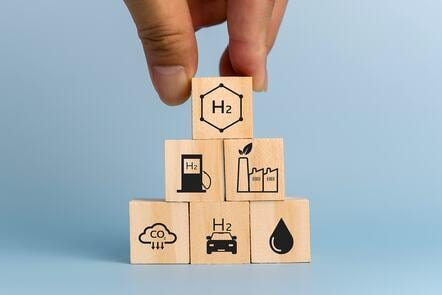
Low emission vehicles come in various forms. After exploring different types of sustainable transport, you’ll study the benefits and challenges that arise from using hydrogen fuel cell and electric cars.
You’ll find out about the requirements of recharging and fueling low-emission vehicles, and consider the challenges these pose for existing infrastructure.

Study low emissions technology with experts at Cenex
This course is created and delivered by Cenex, The Centre of Excellence for Low Carbon and Fuel Cell Technologies.
With over 15 years of experience conducting research and development and consultancy for low carbon transport and energy systems projects, Cenex is working to accelerate the shift to low emission transport.
They are also a CPD-accredited training provider and have been providing training through the LEVEL network (Low Emission Vehicle Enterprise and Learning) since 2016.

What topics will you cover?

  • The impact of climate change and air quality and the role of road transport emissions
  • An explanation of the key low emission road transport options
  • An overview of the trends, policies and innovations in the industry
  • An introduction to the supporting refuelling/recharging infrastructure required

Learning on this course
You can take this self-guided course and learn at your own pace. On every step of the course you can meet other learners, share your ideas and join in with active discussions in the comments.

What will you achieve?
By the end of the course, you‘ll be able to...

  • Explain why reducing emissions from road transport is important
  • Explore the current alternative leading technologies in road transport
  • Summarise the different low emission road transport technology options
  • Identify the requirements and difficulties of the recharging/refuelling infrastructures of these technologies
  • Report the key factors and policies that are affecting these technologies
  • Summarise the differences between low emission road transport technology options

Who is the course for?
This course is designed for anyone looking to develop their knowledge of key sustainable transport technologies.
This may include STEM students with a special interest in emission solutions or transport policy, as well as professionals – particularly in the automotive or energy industry – responsible for sustainability or Net Zero targets.
Go to Class
MOOC List is learner-supported. When you buy through links on our site, we may earn an affiliate commission.

Related Courses

Ocean Science in Action: Addressing Marine Ecosystems and Food Security in the Western Indian Ocean (FutureLearn) FutureLearn
National Oceanography Centre

Ocean Science in Action: Addressing Marine Ecosystems and Food Security in the Western Indian Ocean (FutureLearn)

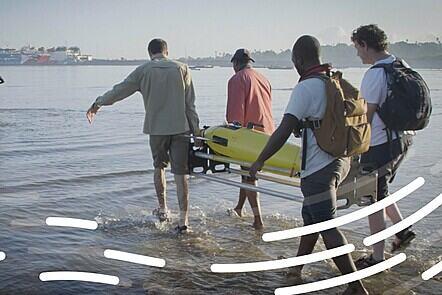
Explore how innovative marine technologies can tackle the challenges of the sustainable management of marine ecosystems. Discover the new technologies that can aid marine resource management. Journey to the Western Indian Ocean alongside experts at the UK’s National Oceanography Centre to learn how we can measure and monitor the oceans in order to better protect them.

Nov 1st 2021
4 Weeks
Electric Two-and-Three-Wheelers: Steering the Mobility Revolution (FutureLearn) FutureLearn
RWTH Aachen,Transforming Urban Mobility Initiative - TUMI,GIZ,PEM Motion

Electric Two-and-Three-Wheelers: Steering the Mobility Revolution (FutureLearn)

Join this six-week course to explore the surging popularity of electric two-and-three-wheelers across the globe. The electric transportation sector is a rapidly changing industry that relies on innovative leaders to help shape policy and strive to create empowering solutions for the future. This six-week course offers an in-depth look into the surging popularity of electric two-and-three-wheelers across the globe, particularly in the Global South.

Mar 23rd 2026
5-12 Weeks
The Role of Hydrogen in the Clean Energy Transition (FutureLearn) FutureLearn
Deakin University,Hycel

The Role of Hydrogen in the Clean Energy Transition (FutureLearn)

Understand how hydrogen can help reduce carbon emissions to become a key player in the clean energy transition. Delve into the hydrogen industry with Deakin University. Depending on its production, hydrogen has the potential to be a clean energy source. As countries work toward net-zero, hydrogen could be a promising solution to reducing carbon emissions. This three-week course from Deakin University will help you gain insight and awareness into the Australian hydrogen industry. Hearing from experts in the field, you’ll discover the types of jobs and skills needed across the supply chain in this emerging area.

May 22nd 2023
3 Weeks
Exploring the World of Electric Buses: Advancing Zero-Emission Public Transport (FutureLearn) FutureLearn
RWTH Aachen,Transforming Urban Mobility Initiative - TUMI,GIZ,PEM Motion

Exploring the World of Electric Buses: Advancing Zero-Emission Public Transport (FutureLearn)

Understand the planning, operation, and maintenance of electric buses to advance a cleaner and greener public transport system. On this six-week course from the Transformative Urban Mobility initiative (TUMI), you’ll learn how e-buses are implemented, operated, financed, and maintained. As you explore the technology, business models, and urban issues of electric mobility, you’ll be preparing for the future of public transport.

Feb 12th 2024
5-12 Weeks
Planet Earth: Understanding and Protecting our Environment (FutureLearn) FutureLearn
University of Leeds

Planet Earth: Understanding and Protecting our Environment (FutureLearn)

Learn about the physical geography of Earth and discover how to use this knowledge to protect our natural environment. Discover the Earth’s natural systems and how human activity affects them. On this two-week course from the University of Leeds, you will discover the processes of the hydrosphere, the geosphere, and the biosphere and explore the impact of human activity and climate change on our planet.

Self Paced
2 Weeks
Achieving Transitions to Zero Carbon Emissions and Sustainable Urban Mobility (FutureLearn) FutureLearn
University College London,Transforming Urban Mobility Initiative - TUMI,EIT Urban Mobility,ICLEI

Achieving Transitions to Zero Carbon Emissions and Sustainable Urban Mobility (FutureLearn)

Discover how cities can transform their urban mobility systems to become more sustainable and reach zero carbon emissions. Understand the steps to becoming sustainable city. Transport accounts for a large proportion of carbon emissions, so ensuring urban mobility systems are sustainable is key to helping cities to achieve zero-carbon goals. On this four-week course, you’ll discover how cities can transition their mobility systems to become sustainable, innovative, and inclusive.

Self Paced
4 Weeks
The Great Sustainability Transition: Global Challenges, Local Actions (FutureLearn) FutureLearn
Leiden University

The Great Sustainability Transition: Global Challenges, Local Actions (FutureLearn)

Discover how global environmental crises are connected, their impacts, and how to take action in your local community. Learn from experts in environmental science at Leiden University. We are living in an era of unprecedented environmental change. As a result, we are experiencing biodiversity loss, climate change, and overuse of freshwater resources, to name just a few. All of these affect fundamental ecosystem processes, causing change on a local and global scale. On this four-week course from Leiden University, you’ll learn how these huge environmental crises are interconnected and how they impact our planet.

Jan 16th 2023
4 Weeks
Exploring the World of Electric Mobility: Key Concepts and Strategies (FutureLearn) FutureLearn
RWTH Aachen,Transforming Urban Mobility Initiative - TUMI,GIZ,PEM Motion

Exploring the World of Electric Mobility: Key Concepts and Strategies (FutureLearn)

Explore concepts, policies, and innovations in electric mobility to help decarbonise and build more sustainable transport systems. Learn how e-mobility can help create sustainable cities. Electric mobility is crucial for making urban transport greener and more sustainable. But with recommendations and policies on electric vehicles evolving rapidly, it can be hard to know what’s what in the world of e-mobility. This six-week course from the Transformative Urban Mobility Initiative (TUMI) provides a comprehensive overview of issues relating to electric mobility.

Oct 7th 2024
5-12 Weeks
Environmental Justice (FutureLearn) FutureLearn
University of East Anglia

Environmental Justice (FutureLearn)

Understand how climate change, biodiversity loss and deforestation affect people, exploring justice in environment management. The world faces challenging environmental problems. They are challenging because different people typically contribute differently to environmental change, and because its effects will be felt differently by different people in different places.

Oct 11th 2021
5-12 Weeks