Sustainable Transport and Shared Mobility (FutureLearn)

Offered by Cenex,
Sustainable Transport and Shared Mobility (FutureLearn)

Delve into the concepts of shared mobility and how it can provide a sustainable solution to help reduce road transport emissions. Understand the environmental impact of road transport. The transition to low emission road transport is gathering pace as the world battles to control emissions-induced climate change and urban air quality issues.

Class Deals by MOOC List - Click here and see FutureLearn's Active Discounts, Deals, and Promo Codes.

It is vital that when we make decisions about how to travel from A to B that we consider the most sustainable and appropriate modes of transport, and shared mobility is quickly becoming part of the solution.
This three-week course is designed to give you a solid foundation into sustainable shared mobility transport as you explore the key technologies, trends, and policies that are enabling this transition.

Explore the different shared mobility modes of transport
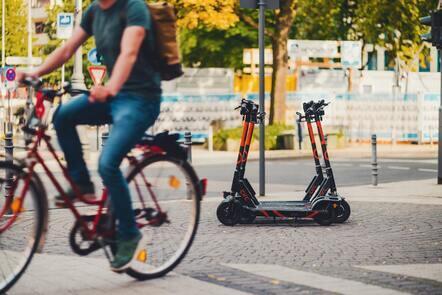
Shared mobility includes public transit, automobile-based modes such as carsharing, micromobility such as bike-sharing, and commute-based modes such as carpooling.
On the course, you’ll explore different shared mobility modes of transport, as well as an awareness of their applications and limitations.
This understanding will help you examine how shared mobility fits into the current transport model and how policy can affect the uptake of its use. You’ll also learn what the future may hold for each shared mobility technology.

**Gain invaluable insights on sustainability from the experts at Cenex
You’ll gain an overview of the trends, policies, and innovations in the industry as well as an introduction to city planning. This knowledge will help you see how you can apply shared mobility in the real world.
Guided by the experts at Cenex (The Centre of Excellence for Low Carbon and Fuel Cell Technologies), you’ll finish the course with an understanding of how shared mobility can reduce transport emissions and is a positive step towards sustainable transport.

What topics will you cover?**

  • Why shared mobility is a possible solution to sustainable transport
  • An explanation of the key shared mobility technologies
  • An overview of the trends, policies and innovations in the industry
  • An introduction to city planning and how to apply shared mobility in the real world

Learning on this course
You can take this self-guided course and learn at your own pace. On every step of the course you can meet other learners, share your ideas and join in with active discussions in the comments.
What will you achieve?
By the end of the course, you‘ll be able to...

  • Evaluate what shared mobility is and how it can reduce transport emissions.
  • Compare different shared mobility modes of transport as well as an awareness of their applications.
  • Reflect upon the current limitations and benefits of each shared mobility technology and what the future may hold.
  • Discuss how shared mobility fits into the current transport model and how policy can affect the uptake and deployment of shared mobility.
  • Identify the different types of mobility hubs and how they should be deployed in order to maximise uptake of shared mobility.

Who is the course for?
This course is designed for anyone interested in sustainability and the ongoing change in the shared mobility sector.
It will particularly benefit you if you have a basic understanding of transport technologies.


Go to Class
MOOC List is learner-supported. When you buy through links on our site, we may earn an affiliate commission.

Related Courses

Migration, Mobilities and Citizenship (FutureLearn) FutureLearn
University of Bristol

Migration, Mobilities and Citizenship (FutureLearn)

Explore who counts as a ‘migrant’ to better understand the processes and experiences of migration. Develop critical thinking skills around the concepts of migration and mobilities. This two-week multidisciplinary course will enable you to develop all the critical thinking skills you need surrounding the twin concepts of migration and mobilities. You’ll explore contemporary human movements within their historical context, and will also cover the current global situation of COVID-19, as well as the relation of race and racism to migration.

Self Paced
2 Weeks
Nutrition for Health and Sustainability (FutureLearn) FutureLearn
EIT Food,EIT

Nutrition for Health and Sustainability (FutureLearn)

Learn what makes up a healthy, sustainable diet and how certain food types can help to treat and prevent disease. Explore the relationship between health, nutrition, and sustainability. Diet is the biggest single risk factor for preventable diseases in the world and a key driver of diabetes, heart disease, and other non-communicable diseases (NCDs). On this course, you’ll look at what makes up a healthy diet, and see what types of foods play a crucial part in preventing diseases and improving wellbeing.

Sep 4th 2023
3 Weeks
Achieving Transitions to Zero Carbon Emissions and Sustainable Urban Mobility (FutureLearn) FutureLearn
University College London,Transforming Urban Mobility Initiative - TUMI,EIT Urban Mobility,ICLEI

Achieving Transitions to Zero Carbon Emissions and Sustainable Urban Mobility (FutureLearn)

Discover how cities can transform their urban mobility systems to become more sustainable and reach zero carbon emissions. Understand the steps to becoming sustainable city. Transport accounts for a large proportion of carbon emissions, so ensuring urban mobility systems are sustainable is key to helping cities to achieve zero-carbon goals. On this four-week course, you’ll discover how cities can transition their mobility systems to become sustainable, innovative, and inclusive.

Self Paced
4 Weeks
Sustainable Management in the Extractive Industry (FutureLearn) FutureLearn
SUMEX

Sustainable Management in the Extractive Industry (FutureLearn)

Explore the importance of sustainability in the extractive industry and what the solutions along 5 key action areas are. On this six-week course, you’ll discover the most pressing issues and practical challenges faced by decision makers within the extractive industry. You’ll critically reflect on sustainability, discover best practice strategies, and learn how to respond to sustainability challenges faced by the mineral resource extraction sector.

Aug 14th 2023
5-12 Weeks
Educating for Sustainable Development (ESD) in Schools and Universities (FutureLearn) FutureLearn
University College London

Educating for Sustainable Development (ESD) in Schools and Universities (FutureLearn)

Explore the global challenges facing sustainable development worldwide and how to introduce them in schools and HE institutions. Develop the skills to examine sustainable development with all learners. As part of the UN Sustainable Development Goals, schools and universities have a responsibility to educate all learners on sustainability. On this three-week course, you’ll gain an overview of the key issues relating to sustainability and how to deliver this knowledge, whether you teach in schools or higher education.

Self Paced
3 Weeks
Service Science and Sustainability (FutureLearn) FutureLearn
National Tsing Hua University

Service Science and Sustainability (FutureLearn)

Discover the science behind service systems, and in the process learn how the service sector can become more sustainable. Discover what service science is and how to best provide sustainable services. The service industry is underpinned by the systems that help to provide a service, and the stakeholders in the companies involved.

Self Paced
3 Weeks
Transforming Urban Mobility: Components of Transport Planning for Sustainable Cities (FutureLearn) FutureLearn
University College London,Transforming Urban Mobility Initiative - TUMI,GIZ

Transforming Urban Mobility: Components of Transport Planning for Sustainable Cities (FutureLearn)

Examine how different types of public transport can be employed to make urban transport more sustainable. Discover how urban transport can be made more sustainable. Good transport systems and projects are critical to the development of sustainable cities. On this course, you’ll consider the Avoid-Shift-Improve (ASI) framework – particularly the ‘Shift’ and ‘Improve’ dimensions – as key components of a sustainable urban mobility strategy.

Self Paced
5-12 Weeks
Sustainability Through Film (FutureLearn) FutureLearn
INTO FILM

Sustainability Through Film (FutureLearn)

Engage and empower your students when teaching sustainability, using film analysis and basic filmmaking principles. Use film and filmmaking to provide meaningful lessons in sustainability. Film is an engaging way to reach young people on any topic or subject, bringing important topics to life and adding context to learning. With that in mind, Into Film presents this two-week course showing you how to teach learners aged 5 to 19 about sustainable practices using short films.

Self Paced
2 Weeks
Maqasid Al-Shariah and Sustainable Development (FutureLearn) FutureLearn
University of Malaya

Maqasid Al-Shariah and Sustainable Development (FutureLearn)

Discover how religion, particularly Islamic teachings, and scientific knowledge can work together towards sustainable solutions. Use a blend of religion and science to explore sustainability. Sustainable Development is one of the most comprehensive worldwide concepts today in the quest to safeguard the environment. This principle of sustainability has been discovered to be intrinsically linked to the concept of Shariah, which emphasises the importance of continuity not just in this world, but also in the afterlife.

Self Paced
3 Weeks
Teaching Climate and Sustainability in Primary Schools: An Outdoor Learning Approach (FutureLearn) FutureLearn
University of Reading

Teaching Climate and Sustainability in Primary Schools: An Outdoor Learning Approach (FutureLearn)

Build your confidence teaching climate and sustainability outdoors and develop ideas to implement in your school. Discover the importance of climate education and outdoor learning. Children around the world are demanding comprehensive and up-to-date education on climate and sustainability. Most teachers agree climate change education should be compulsory in schools, yet many feel ill-equipped to teach it.

Self Paced
2 Weeks
An Introduction to Gender and Mobility in Emerging Economies (FutureLearn) FutureLearn
Transforming Urban Mobility Initiative - TUMI,GIZ,Women Mobilize Women,Punkt vor Strich,Gail Jennings

An Introduction to Gender and Mobility in Emerging Economies (FutureLearn)

Explore issues of gender and mobility, and learn how gender-sensitive planning could make the transport sector more inclusive. On this four-week course from the Transformative Urban Mobility Initiative, you’ll learn why gender matters in transport and mobility. Focusing particularly on emerging economies, you’ll explore what happens when we bring gender and mobility issues together, and how gender-sensitive planning could improve transport access for everyone.

Apr 27th 2026
4 Weeks