Maqasid Al-Shariah and Sustainable Development (FutureLearn)

Offered by University of Malaya,
Maqasid Al-Shariah and Sustainable Development (FutureLearn)

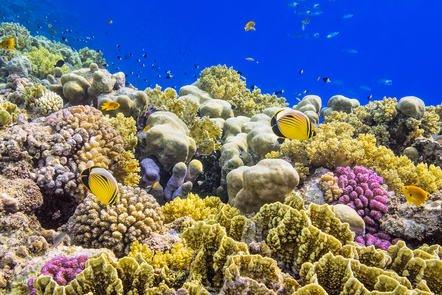
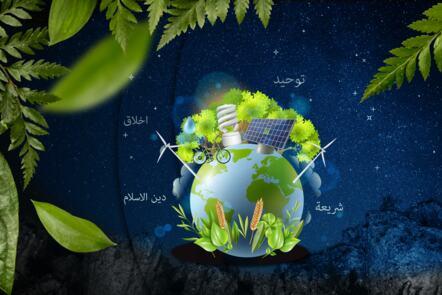
Discover how religion, particularly Islamic teachings, and scientific knowledge can work together towards sustainable solutions. Use a blend of religion and science to explore sustainability. Sustainable Development is one of the most comprehensive worldwide concepts today in the quest to safeguard the environment. This principle of sustainability has been discovered to be intrinsically linked to the concept of Shariah, which emphasises the importance of continuity not just in this world, but also in the afterlife.

Class Deals by MOOC List - Click here and see FutureLearn's Active Discounts, Deals, and Promo Codes.

On this three-week course, you’ll explore this link and evaluate the relationship between Islam and global issues including land, water, wildlife, and forest conservation.

Delve into environmental management and challenges
As you uncover different scientific and theological standpoints, you’ll examine environmental challenges to determine the broad-ranging causes and effects.
You’ll also be exposed to fundamental concepts that will be used to examine environmental challenges, such as, the benefit-risk concept (maslahah-mafsadah), the priority (awlawiyyat) and moderation (wasatiyyah) principle in environmental management.

Explore how Maqasid Al-Shariah can protect environmental sustainability
Both concepts, sustainability and Shariah, set their own goals and objectives, known as Sustainable Development Goals (SDGs) and Maqasid Al-Shariah (MS).
You’ll explore how both of these targets are critical as key indicators of human survival and environmental sustainability.

Learn from the expert at Universiti Malaya
Throughout the course, you’ll learn from Dr. Istajib, the only lecturer who has an interdisciplinary academic and research background in shariah, law, and the environment.
By the end of this course, you’ll have the knowledge and skills to implement sustainability in your workplace and everyday life.

Learning on this course
You can take this self-guided course and learn at your own pace. On every step of the course you can meet other learners, share your ideas and join in with active discussions in the comments.

Who is the course for?
This course is designed for anyone interested in Islamic studies and environmental science.
You could be a postgraduate, a religious leader, researcher, activist, or employee in an environment-related field.


Go to Class
MOOC List is learner-supported. When you buy through links on our site, we may earn an affiliate commission.

Related Courses

Social Innovation: Global Solutions for a Sustainable Future (FutureLearn) FutureLearn
MINCA,Biji-biji Initiative

Social Innovation: Global Solutions for a Sustainable Future (FutureLearn)

Discover the power of social innovation, and how it can change the world for the better. Explore the importance of social innovation in a changing world. Social innovation is the process by which new ways of doing things are created to respond to society’s needs. This can be technological – embracing open-source or online technology, for example – or it can be social, via encouraging local entrepreneurship.

Self Paced
3 Weeks
Introduction to Sustainable Practices in Food Service (FutureLearn) FutureLearn
International Culinary Studio

Introduction to Sustainable Practices in Food Service (FutureLearn)

Create a more sustainable food service business and make a difference to your bottom line, your stakeholders, and the environment. Improve your sustainable practices within your organisation. Sustainability isn’t just about ‘greening’; sustainability actually means ‘meeting the needs of the present without compromising the ability of future generations to meet their needs.’ On this course, you’ll look at general global sustainability concepts, issues, and concerns, before focusing on sustainability specifically within food service and what you can do to reduce your impact.

Self Paced
2 Weeks
New Energy Technologies: Energy Transition and Sustainable Development (FutureLearn) FutureLearn
Grenoble Ecole de Management

New Energy Technologies: Energy Transition and Sustainable Development (FutureLearn)

Explore the development of new energy technologies and discover key energy challenges with this online course. In a world facing pressing energy challenges, the need for alternative energy and new energy technologies has never been more pressing. This course explores the new and upcoming technologies that may help solve some of the world’s biggest energy challenges - examining them from both a business and technological perspective.

Self Paced
4 Weeks
Medical Equipment Donations to Low Resource Settings (FutureLearn) FutureLearn
St George's, University of London

Medical Equipment Donations to Low Resource Settings (FutureLearn)

Learn how to plan a medical equipment donation to a low-resource setting that's appropriate, sustainable, and has a real impact. Navigate the pitfalls of planning and organising donations of medical equipment. Unavailability of essential clinical equipment can be a serious problem in low-resource settings. On this course, developed in collaboration with the Tropical Health Education Trust (THET), you‘ll learn best practices in planning a donation of medical equipment to a low-resource setting.

Self Paced
2 Weeks
From Waste to Value: How to Tackle Food Waste (FutureLearn) FutureLearn
University of Reading,EIT Food,EIT

From Waste to Value: How to Tackle Food Waste (FutureLearn)

Discover the causes and impact of food waste, and learn how you can tackle it on a personal, community, and national level. Explore how combatting food waste and food loss can help the environment. The significant contribution the food system makes to climate change is widely recognised, and consumers are increasingly concerned about food waste. On this course, you’ll explore how you – as a consumer – can act and inspire others to reduce food waste effectively and sustainably.

Feb 6th 2023
3 Weeks
Sustainability Through Film (FutureLearn) FutureLearn
INTO FILM

Sustainability Through Film (FutureLearn)

Engage and empower your students when teaching sustainability, using film analysis and basic filmmaking principles. Use film and filmmaking to provide meaningful lessons in sustainability. Film is an engaging way to reach young people on any topic or subject, bringing important topics to life and adding context to learning. With that in mind, Into Film presents this two-week course showing you how to teach learners aged 5 to 19 about sustainable practices using short films.

Self Paced
2 Weeks
Enabling Community-Based Leadership in Design: Sustainable Development of Historic Faith Buildings (FutureLearn) FutureLearn
The Open University,UNESCO UNITWIN Complex Systems Digital Campus,The Glass-house

Enabling Community-Based Leadership in Design: Sustainable Development of Historic Faith Buildings (FutureLearn)

Mobilise the power of communities to re-imagine and shape their place. Learn how to enable communities to lead design initiatives in places of worship. Apart from being special places where people practise their faith, places of worship play an important role for the wider community by providing pastoral care and much-needed local services. Community-based design initiatives can enhance the value of these places as a sustainable resource for multiple communities.

Self Paced
5-12 Weeks
Service Science and Sustainability (FutureLearn) FutureLearn
National Tsing Hua University

Service Science and Sustainability (FutureLearn)

Discover the science behind service systems, and in the process learn how the service sector can become more sustainable. Discover what service science is and how to best provide sustainable services. The service industry is underpinned by the systems that help to provide a service, and the stakeholders in the companies involved.

Self Paced
3 Weeks
IUCN Red List of Ecosystems: The Global Standard for Assessing Risks to Ecosystems (FutureLearn) FutureLearn
Deakin University

IUCN Red List of Ecosystems: The Global Standard for Assessing Risks to Ecosystems (FutureLearn)

This course introduces the IUCN Red List of Ecosystems and its successful use and policy impact through real-world case studies. Learn how the Red List of Ecosystems is helping to sustain global biodiversity. Nature is under threat around the world. Understanding where ecosystems are at greatest risk allows us to act to sustain species and ecosystems.

Self Paced
2 Weeks
Learning for a Sustainable Future (FutureLearn) FutureLearn
University of Edinburgh,British Council,Learning for a Sustainable Scotland

Learning for a Sustainable Future (FutureLearn)

Join a personal and professional global learning journey towards a sustainable future. What on Earth could be more important? Grow your knowledge of sustainability. Climate change, gender equality, health, social equity, and inclusion are issues that affect us all, impacting human well-being and economic stability. How to live a sustainable life affects – and connects - us all.

Mar 13th 2023
5-12 Weeks