Preventing Childhood Obesity: an Early Start to Healthy Living (FutureLearn)

Preventing Childhood Obesity: an Early Start to Healthy Living (FutureLearn)

Prevent childhood obesity by learning about healthy eating, physical activity, screen time and sleep for children under five. Childhood obesity is one of the biggest health challenges of the 21st century and affects over 41 million children under the age of five. If not prevented at an early age it can become a lifelong condition and lead to very serious diseases and disorders. This free online course follows the latest innovative research in childhood development to reveal what is contributing to these shocking figures and what can be done to prevent childhood obesity.

Class Deals by MOOC List - Click here and see FutureLearn's Active Discounts, Deals, and Promo Codes.

Join us over four unique and engaging weeks as we learn from well-respected and published professionals about obesity prevention in children under five, and gain lifestyle strategies to provide children with an early start to healthy living and pathways to healthy futures.

Discover lifestyle strategies for preventing childhood obesity
This course is designed to help parents and those who work with children. It will describe the main behaviours that contribute to childhood obesity – from birth to the age of five – and provide evidence-based advice on promoting and maintaining healthy levels of these behaviours.
Each week of the course will look at a different area and will address some of the following topics:

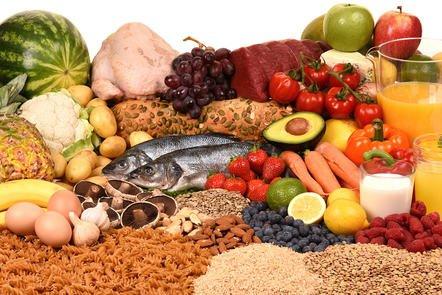
  • Making fruit and vegetables attractive
  • Offering healthy snacks and drinks
  • Promoting active play
  • Reducing screen time and sedentary behaviour
  • Creating healthy sleep patterns.

By the end of the course, you will be able to set goals to promote healthy behaviours in the children you care for and monitor their progress over time.

Learn with childhood obesity specialists at the Early Start Research Institute
The course has been developed by childhood obesity specialists at the Early Start Research Institute (ESRI) at the University of Wollongong Australia, which conducts research to inform professional practice, influence policy development, and enhance the lives of children, youth and families. Boasting world-class facilities and researchers, ESRI will share expertise throughout this course that will take you to the forefront of the latest innovative research in childhood development.
Join us on a mission over four life-changing weeks to prevent childhood obesity and provide all children with the best early start to a healthy life.

What topics will you cover?

  • The complexities and implications of the global obesity epidemic facing children of the 21st century
  • The impact of nutrition, physical activity, screen time and sleep on childhood obesity
  • Factors influencing a child’s nutrition, physical activity, screen time and sleep (the ecological model)
  • Guidelines for understanding what healthy eating means for young children and how to put it into practice
  • Practical strategies for promoting healthy eating for children (making fruit and vegetables more attractive, modifying recipes and menus, reducing discretionary foods, and making meal times positive)
  • Physical activity milestones, challenges and guidelines for children under five years old
  • Strategies for promoting physical activity for children (creating active spaces and opportunities for physical activity in everyday and childcare settings)
  • The prevalence and complexities of screen time in the 21st century and its influence on young children
  • Guidelines for screen use for children under five years of age
  • Strategies for promoting healthy screen time for young children (creating a balance by reducing, maximising and replacing screen time)
  • The science behind sleep across the lifespan and how it is measured and regulated
  • Guidelines for sleep in young children
  • Practical strategies for optimising, prioritising and promoting sleep hygiene

What will you achieve?
By the end of the course, you'll be able to...

  • Explain the benefits of a healthy lifestyle for infants and young children
  • Debate the issues that childhood obesity may pose for our population in future years
  • Compare and evaluate the practical approaches of putting lifestyle changes into practice in the home and early childhood education setting
  • Identify, describe and compare the guidelines for healthy eating, physical activity, screen time and sleep from different countries
  • Discuss the influence of parents and educators in establishing positive lifestyle behaviours
  • Report on the importance of setting goals to initiate and maintain behaviour change
  • Reflect on the need for optimising early lifestyle practices for future health

Go to Class
MOOC List is learner-supported. When you buy through links on our site, we may earn an affiliate commission.

Related Courses

Achieving Sustainable Development (FutureLearn) FutureLearn
Trinity College Dublin

Achieving Sustainable Development (FutureLearn)

Explore the challenges of sustainable development. See the impact of UN Sustainable Development Goals on real people. Consider the impact that UN Sustainable Development Goals could have. Governments of the world have signed up to the Sustainable Development Goals (SDGs), a UN initiative for international development. They are targets for improving the world by 2030, including: health, environment, education, and security. But will they have an impact on the lives of people?

Self Paced
4 Weeks
Causes of Human Disease: Exploring Cancer and Genetic Disease (FutureLearn) FutureLearn
University of Leeds

Causes of Human Disease: Exploring Cancer and Genetic Disease (FutureLearn)

Explore how the unravelling of genetic code has led to a deeper understanding of genetic diseases and cancer. It’s widely known that some diseases run in families. The discovery of the structure of DNA and the unravelling of the genetic code has led to a deeper understanding of such diseases. We now know more about the genetic basis of cancer and how cancer cells are formed and reproduce. On this course you’ll explore the structure of DNA, its processes and learn how genetic disease results from DNA alterations.

Self Paced
2 Weeks
Challenges in Antibiotic Resistance: Gram Negative Bacteria (FutureLearn) FutureLearn
British Society for Antimicrobial Chemotherapy - BSAC

Challenges in Antibiotic Resistance: Gram Negative Bacteria (FutureLearn)

This course by BSAC is for healthcare professionals managing infections. You will learn about Gram Negative Bacteria. Identify, diagnose and treat gram negative bacterial infections. Gram negative bacteria (GNB) are a group of bacteria that can cause infection and toxic reaction in patients, yet are difficult to differentiate and treat with antibiotics due to their structure.

Self Paced
3 Weeks
Organ Donation: The Essentials for Healthcare Professionals (FutureLearn) FutureLearn
St George's, University of London,NHS Blood and Transplant

Organ Donation: The Essentials for Healthcare Professionals (FutureLearn)

Understand the key processes regarding organ donation with this course for healthcare professionals, anywhere in the world. Learn about different aspects of organ donation. Despite organ donation being hugely important there is currently limited training for healthcare workforce regarding the complex issues around organ and tissue donation. This course aims to change that.

Self Paced
2 Weeks
Introduction to Critical Care Medicine (FutureLearn) FutureLearn
University of Glasgow

Introduction to Critical Care Medicine (FutureLearn)

Learn how to handle complex issues faced in Critical Care Units when other options on the ward have been exhausted. Learn how to manage common presentations seen in Critical Care Units. Critical care is an emerging specialty in hospitals and, with an increasing population living with multiple co-morbidites, the burden on Critical Care Units is rising. In this course, find out about the common presentations seen in a Critical Care Unit and how to manage them effectively.

Self Paced
3 Weeks
Quality Improvement in Healthcare: the Case for Change (FutureLearn) FutureLearn
University of Bath

Quality Improvement in Healthcare: the Case for Change (FutureLearn)

Explore new and better ways of organising health and social care services, to improve quality, with this free online course. Why is quality improvement in health and social care systems so difficult? Why is it so challenging to bring in new and better ways of organising health and social care services? Many reasons have been put forward: lack of money; lack of knowledge about either the actual quality of care delivered, or resistance to making changes to long-established ways of working; excessive and sometimes misunderstood regulations; and professional opinions and interests that are hard to influence when systems are working at or beyond capacity.

Self Paced
5-12 Weeks
Introduction to Emergency Contraception (FutureLearn) FutureLearn
University of East Anglia

Introduction to Emergency Contraception (FutureLearn)

Understand emergency contraception and the choices available with this course for people working in healthcare and related fields. Emergency contraception can be confusing, with different types available and public understanding sometimes limited. On this course you will master the basics of emergency contraception: learning about the different types of post-coital contraception, exploring clinical guideliness; and working out which type of contraception is appropriate in different situations.

Self Paced
3 Weeks
Perioperative Medicine in Action (FutureLearn) FutureLearn
University College London

Perioperative Medicine in Action (FutureLearn)

Explore perioperative medicine and how you can improve care for the high risk surgical patient. Join this RCoA endorsed course. Too many patients die or suffer prolonged complications following surgery. Perioperative medicine is an emerging, multi-disciplinary approach, which tackles this issue, by optimising the care of high-risk surgical patients. It encompasses disciplines including anaesthetics, surgery, nursing, care of the elderly, physiotherapy and healthcare management.

Self Paced
4 Weeks
Digital Wellbeing (FutureLearn) FutureLearn
University of York

Digital Wellbeing (FutureLearn)

Do digital technologies affect our wellbeing? Explore the concepts of health, relationships and society in the digital age. Discover how digital technology affects our wellbeing. What is the impact of digital technology on our health, relationships and society? How do we ensure our own digital wellbeing? Explore the answers to these questions and more with this course.

Self Paced
3 Weeks
Understanding Autism (FutureLearn) FutureLearn
University of Kent

Understanding Autism (FutureLearn)

Understand more about autism, including diagnosis, the autistic spectrum and life with autism, with this online course. First identified over 70 years ago, autism is a lifelong developmental disability affecting how a person communicates with and relates to others, and how they make sense of the world. It is a spectrum condition; all people on the spectrum share certain difficulties, but their condition will affect them in different ways.

Self Paced
4 Weeks
Health and Wellbeing in the Ancient World (FutureLearn) FutureLearn
The Open University

Health and Wellbeing in the Ancient World (FutureLearn)

Use literary and archaeological evidence to see how ancient Greeks and Romans approached health, well-being and societal issues. What did being healthy in ancient Rome or Greece look like? How can we tell what well-being meant in ancient times? This online course will help you investigate these questions, using both literary and archaeological evidence, to uncover details of real life in ancient societies.

Self Paced
5-12 Weeks