Challenges in Antibiotic Resistance: Gram Negative Bacteria (FutureLearn)

Challenges in Antibiotic Resistance: Gram Negative Bacteria (FutureLearn)

This course by BSAC is for healthcare professionals managing infections. You will learn about Gram Negative Bacteria. Identify, diagnose and treat gram negative bacterial infections. Gram negative bacteria (GNB) are a group of bacteria that can cause infection and toxic reaction in patients, yet are difficult to differentiate and treat with antibiotics due to their structure.

Class Deals by MOOC List - Click here and see FutureLearn's Active Discounts, Deals, and Promo Codes.

This online course - led by experts from the British Society for Antimicrobial Chemotherapy (BSAC) - looks at this challenge. You’ll explore the microbiology of gram-negative bacteria, and find out how to identify, classify, diagnose and treat GNB infections.
You’ll also look at occurrences of GNB and antibiotic resistance worldwide, and understand the impact they have on health and economic outcomes.

What topics will you cover?

  • The microbiology of Gram Negative Bacteria to enable diagnosis of infections
  • The identification and classification of clinical infections associated with common Gram Negative Bacteria
  • The occurrence of resistance - epidemiology and basic mechanisms of resistance, locally and globally
  • The key objectives and principles of treatment, including negative consequences
  • The appropriateness of treatment agents

-The burden and impact of GNB infections on health and economic outcomes

What will you achieve?

  • Demonstrate a basic understanding of the microbiology of Gram Negative Bacteria
  • Assess the occurrence of resistance - epidemiology and basic mechanisms of resistance locally and globally
  • Identify and classify clinical infections associated with common Gram Negative Bacteria
  • Evaluate the burden and impact of Gram Negative Bacterial infections on health and economic outcomes
  • Compare the key objectives and principles of the treatment options available including the negative consequences
  • Explore the basic microbiology requirements to diagnose GNB infections
  • Evaluate the appropriateness of treatment agents - stewardship for GNB infections
  • Summarise the current treatment options available
Go to Class
MOOC List is learner-supported. When you buy through links on our site, we may earn an affiliate commission.

Related Courses

Liver Disease: Looking After Your Liver (FutureLearn) FutureLearn
University of Birmingham

Liver Disease: Looking After Your Liver (FutureLearn)

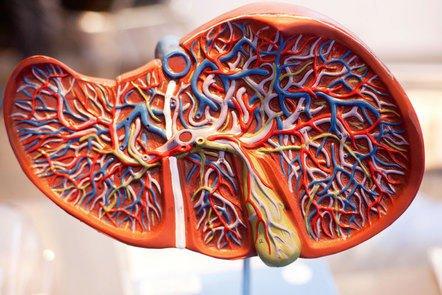
Learn about how your liver works, ways to look after it and how liver damage is caused, studied and treated around the world. We are currently experiencing an international explosion of liver disease that continues to have enormous impact upon healthcare systems and global health. In the UK we have seen a 20% increase in deaths related to liver disease since 2000 and this pattern reflects the global situation.

Self Paced
3 Weeks
Causes of Human Disease: Understanding Causes of Disease (FutureLearn) FutureLearn
University of Leeds

Causes of Human Disease: Understanding Causes of Disease (FutureLearn)

Learn the epidemiological methods used to understand the causes of diseases and how social factors influence their development. What causes human disease? Why do some people get a disease but others don’t? Through this course, you’ll learn how epidemiologists are helping to find answers to these complex questions and how the health of a population is measured and analysed.

Self Paced
2 Weeks
Challenges in Antibiotic Resistance: Point Prevalence Surveys (FutureLearn) FutureLearn
British Society for Antimicrobial Chemotherapy - BSAC

Challenges in Antibiotic Resistance: Point Prevalence Surveys (FutureLearn)

Learn how to use Point Prevalence Surveys (PPS) to measure antibiotic consumption and fight antimicrobial resistance. Point Prevalence Surveys (PPS) are an important tool for healthcare professionals to use to assess and improve antibiotic prescribing locally, nationally and globally. This online course - led by experts from the British Society for Antimicrobial Chemotherapy (BSAC) - looks at their use. You’ll discover the importance of measuring antibiotic consumption and how PPS can help.

Self Paced
2 Weeks
Optimización del uso de antimicrobianos: Gestión de la resistencia a los antimicrobianos (FutureLearn) FutureLearn
University of Dundee,British Society for Antimicrobial Chemotherapy - BSAC

Optimización del uso de antimicrobianos: Gestión de la resistencia a los antimicrobianos (FutureLearn)

Entender la resistencia a los antibióticos, y cómo la administración antimicrobiana puede ralentizar o reducirla, con este curso. Diseñado para los profesionales sanitarios, este curso de seis semanas te informará sobre —y te capacitará para proporcionar— un uso seguro y de alta calidad de los antibióticos.

Self Paced
5-12 Weeks
Causes of Human Disease: Understanding Cardiovascular Disease (FutureLearn) FutureLearn
University of Leeds

Causes of Human Disease: Understanding Cardiovascular Disease (FutureLearn)

Explore normal cardiovascular function and risk factors associated with heart attack, stroke and other cardiovascular diseases. Cardiovascular diseases are the leading global cause of death. On this course, you’ll learn how the cardiovascular system functions and understand common cardiovascular diseases like heart attack and stroke, as well as the risk factors associated with them.

Self Paced
2 Weeks
Quality Improvement in Healthcare: the Case for Change (FutureLearn) FutureLearn
University of Bath

Quality Improvement in Healthcare: the Case for Change (FutureLearn)

Explore new and better ways of organising health and social care services, to improve quality, with this free online course. Why is quality improvement in health and social care systems so difficult? Why is it so challenging to bring in new and better ways of organising health and social care services? Many reasons have been put forward: lack of money; lack of knowledge about either the actual quality of care delivered, or resistance to making changes to long-established ways of working; excessive and sometimes misunderstood regulations; and professional opinions and interests that are hard to influence when systems are working at or beyond capacity.

Self Paced
5-12 Weeks
Understanding Anxiety, Depression and CBT (FutureLearn) FutureLearn
University of Reading

Understanding Anxiety, Depression and CBT (FutureLearn)

Improve your understanding of depression and anxiety and find out more about an effective and evidence-based treatment: CBT. Anxiety and depression are terms discussed widely, in different media and amongst family and friends. But what do those labels actually mean? On this five week course, from the University of Reading, you will explore what it means to have anxiety or depression and how they are identified.

Self Paced
5-12 Weeks
Infant Nutrition: from Breastfeeding to Baby's First Solids (FutureLearn) FutureLearn
Deakin University

Infant Nutrition: from Breastfeeding to Baby's First Solids (FutureLearn)

Learn what good infant nutrition looks like, how and what to feed a baby, and how to start weaning. Explore the principles of good nutrition in the first 12 months of a baby’s life. In this insightful course led by nutritional experts from Deakin University, you’ll trace the milestones in a baby’s first year of life to learn about the principles of good infant nutrition and how you can apply them. You’ll explore the nutritional requirements of young children, as well as why healthy food for babies is so essential.

Self Paced
2 Weeks
Improving Health Assessments for People with an Intellectual Disability (FutureLearn) FutureLearn
Trinity College Dublin,EIT Health

Improving Health Assessments for People with an Intellectual Disability (FutureLearn)

Learn how to improve healthcare for people with intellectual disabilities with this course for healthcare professionals. Detecting poor health and supporting people with an intellectual disability in managing their health can be challenging for healthcare professionals. During this course, you will gain valuable knowledge that you can transfer into your daily practice on how to include people with an intellectual disability in health assessments.

Self Paced
3 Weeks
Medical Humanity: Engaging Patients and Communities in Healthcare (FutureLearn) FutureLearn
Taipei Medical University

Medical Humanity: Engaging Patients and Communities in Healthcare (FutureLearn)

Find out how and why you should engage patients and communities in the development of new healthcare technology and treatments. The development of healthcare treatments has given people hope to fight diseases. However, humans are born to be afraid of advanced technologies. As such, it is critical that medical professionals have the skills to explain the benefits of treatments to patients and, ideally, involve them in the development of new treatments in the first place.

Self Paced
3 Weeks