Use literary and archaeological evidence to see how ancient Greeks and Romans approached health, well-being and societal issues. What did being healthy in ancient Rome or Greece look like? How can we tell what well-being meant in ancient times? This online course will help you investigate these questions, using both literary and archaeological evidence, to uncover details of real life in ancient societies.
Class Deals by MOOC List - Click here and see FutureLearn's Active Discounts, Deals, and Promo Codes.
We will divide the body up into organs and systems, using each to explore ancient theories on the structure and function of the human body.
We will discover what ancient societies thought about topics that we still wrestle with today – from the relationship between mind and body, to sexuality, ageing and gender.
What topics will you cover?
- What is health ? Ancient and modern perspectives on health and disease
- Medicine, religion and magic
- Using online resources
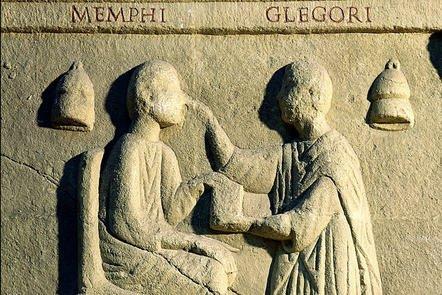
- Vision: theories of sight, approaches to eye disease, including drugs and surgery
- Body modifications
- Diet and digestion
- Human waste: using evidence from toilets and sewers
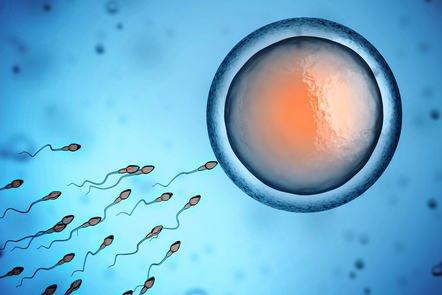
- Conception and birth: theories and practices
- Ideal bodies and disabled bodies
-The health of the army: recruiting and treating soldiers
What will you achieve?
By the end of the course, you'll be able to...
- Develop confidence in exploring the variety of fields that constitute classical studies.
- Explore and become familiar with open-access resources for classical studies.
- Develop the ability to critically analyse primary sources.
- Apply and gain skills in analysing complex problems based on fragmentary evidence.
- Engage with contemporary interpretations and scholarly debates.