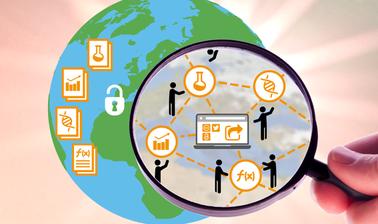
Explore ways to apply Open Science principles to academic work - including your own. Learn how to share your research effectively and responsibly, building greater visibility and impact. You can become a more visible, effective and impactful researcher by sharing your research data and publications openly. In this course, you will learn the objectives, main concepts, and benefits of Open Science principles along with practices for open data management and open data sharing.
Class Deals by MOOC List - Click here and see EdX's Active Discounts, Deals, and Promo Codes.
Since research increasingly relies on software which is used to model and simulate, and to deal with the ever growing volume of research data, the course will also introduce FAIR software practices.
You'll learn to establish links between publications, data, software and methods, how to attach a persistent identifier and metadata to your results, and methods for clarifying usage rights. You will also discover ways to apply these principles to your daily research and adapt existing routines. Finally, you'll uncover potential barriers to sharing research and discuss possible solutions.
This course will help you grasp the key principles of Open Science, with answers to questions like:
- How can researchers effectively store, manage, and share research data?
- What kinds of open access publishing are most effective?
- How can researchers increase the visibility and impact of their research?
- How can the use of social media contribute to the visibility and impact of research?
- How can researchers be acknowledged for the research software they write?
You will apply the topics of the course to a variety of case studies on Open Science adoption, which you will then discuss among fellow students. You will also be presented with a hands-on guide to publishing your research with open access. This will help you to apply Open Science principles in your daily work. It will enable you to implement and benefit from the Open Science policies that are currently being developed by governments and research institutions.
This course is aimed at professionals. Those who will see the most benefit include academic researchers at different levels: PhD students, postdoctoral researchers, and professors; researchers working for governments; researchers working for commercial enterprises; MSc and BSc students interested to learn about the principles of Open Science.
What you'll learn
- Describe concepts and objectives of open science
- Analyze and discuss benefits and barriers of particular open science cases, including cases from within your own region or discipline
- Set up an open data sharing strategy to increase your research visibility
Additionally, you can choose and learn more about any of these topics:
- Determine appropriate route to take when publishing an open access article
- Set up a research software sharing strategy and make it citable
- Identify the benefits of Virtual Research Environment for sharing and using research data.
Syllabus
Week 1: Introduction to Open Science
Introduction to the Open Science movement. What are the objectives, main concepts, and benefits of Open Science? This includes:
Discussing the traditional subscription-based journal system with regards to Open Access publishing
Practical Open Science benefits for researchers
Policies of important funding organizations
Programs on Open Data and Open Access publishing and
Case studies on successful application of Open Science by researchers from different backgrounds.
Week 2: Research Data Management
Introduction to effective and secure research data management, including:
Learning the disciplinary standards of FAIR data sharing
Evaluating the strengths and weaknesses of different data storage and backup options
Organizing, documenting, and adding metadata to research data to optimize the visibility of your data
Data archiving, access, sharing and re-use with the use of data repositories
Understanding the different copyright licenses designed to deal with open data
Dealing with confidential data, company restrictions, and third-party agreements through case studies
Evaluating a data management plan
Explaining how Open Data can be applied in your field of research
Week 3: Publishing Open Access
Here you will discuss the main differences between the open access and subscription-based publication model in science, and the main misconceptions about open access publishing. In this week we also introduce the creative commons licenses used by open access journals and self-archiving policies. You will examine how you can maximize the accessibility of publications in subscription-based journals, you will present your opinion of the open access publishing model and assess the 'openness' of the main scientific journals in your field of research.
Week 4: Choose topic(s) depending on your interests:
Increasing your research visibility
Here you discuss and formulate your communication strategy, describing and choosing your social media channels for reaching certain target groups.
Making your research software FAIR (and OPEN)
Research Software development has gained significant attention in the field of Open Science. It has become clear that researchers need to possess at least some software development skills and adopt best practices to effectively share their research output. In this module, we will explore what it is like to write and reuse code (research software) for your research. You will learn about the challenges faced along the way – and how to address them – as well as concepts and tools for research software development, like FAIR for Research Software, re-use of code, version control, documentation, and publication.
Citizen science
Societal participation in research is becoming ever more important. The course will demonstrate what citizen science is about, how to stimulate citizens to participate in your research and how to handle (new) responsibilities when implementing citizen science. In this module you will learn how to involve citizens in your research.
Finally, conclusions of this course will be discussed and we will reflect on what has been taught in the previous weeks.