Myths and Realities of Personalised Medicine: the Genetic Revolution (FutureLearn)

Myths and Realities of Personalised Medicine: the Genetic Revolution (FutureLearn)

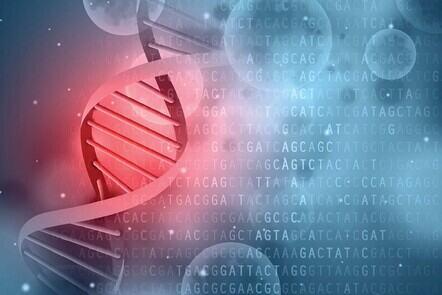
Learn about personalised medicine and the impact that our enhanced understanding of genetics has on modern medicine and society. Personalised medicine. Precision medicine. Individualised medicine. Customised medicine. Targeted medicine. All buzzwords of recent years that excite, confuse and infuriate the public, researchers and healthcare professionals. Broadly speaking, these terms all refer to the idea of tailoring treatment to individual patients based on their genetic code.

Class Deals by MOOC List - Click here and see FutureLearn's Active Discounts, Deals, and Promo Codes.

What does it all mean, and why should you care?
This free online course will discuss both the hype and hope surrounding the genetic revolution and personalised medicine. The impact of personalised medicine on clinical practice will likely yield significant benefits for patients, yet it raises a number of serious ethical and legal issues for health professionals, patients and the community.

Explore the power of genetics across disease prevention and diagnosis
In this unique course you will learn from leading researchers and healthcare professionals how genetic testing is currently used to guide treatment across diseases including cancer, neurodegenerative diseases and mental health, and infectious disease. You will also explore the power of genetics to impact disease prevention and diagnosis, and the social, legal, political and ethical implications of this new knowledge.
Examine key personalised medicine topics week by week
Week One: We begin by discussing what causes disease and development of personal traits – our genes or our environment? We will also explore how genes are passed from one generation to the next, basic medical genetics, and how recent technological and scientific advances have heralded the advent of the genetic revolution, and the global approach and impact of these advances.
Week Two: We will explore the concept of risk and multifactorial disease. We will describe examples of genes that pre-dispose patients to specific diseases, and discuss genetic testing and genetic counselling.
Week Three: We will investigate the use of personalised medicine today and tease out the reality from the hype. We will also explore the apparent delay between research findings and translation to the clinic - from bench to bedside.
Week Four: We will describe the rationale of medical patents, clinical trials, drug approval and regulation, and how these differ in various parts of the world.
Week Five: We will explore and debate the legal and ethical issues surrounding genetic testing and personalised medicine.

Form your own opinion on the genetic revolution
This course will distill the hype around personalised medicine, and allow you to form your own opinion on the advantages and disadvantages of the genetic revolution. Learning from a wide variety of expert clinicians and researchers currently working in the field, you will be equipped with the language and skills to debate the impact of personalised medicine on your own situation.


Go to Class
MOOC List is learner-supported. When you buy through links on our site, we may earn an affiliate commission.

Related Courses

Introduction to Cognitive Psychology: An Experimental Science (FutureLearn) FutureLearn
University of York

Introduction to Cognitive Psychology: An Experimental Science (FutureLearn)

Learn how to use cognitive psychology experiments to explore the internal workings of the mind with this online psychology course. Learn how to conduct, analyse and understand cognitive psychology experiments. Cognitive psychology is the scientific study of internal mental processes. On this course, you will be introduced to two key areas of cognitive psychology: reasoning and thinking and mental imagery.

Self Paced
3 Weeks
Causes of Human Disease: Exploring Cancer and Genetic Disease (FutureLearn) FutureLearn
University of Leeds

Causes of Human Disease: Exploring Cancer and Genetic Disease (FutureLearn)

Explore how the unravelling of genetic code has led to a deeper understanding of genetic diseases and cancer. It’s widely known that some diseases run in families. The discovery of the structure of DNA and the unravelling of the genetic code has led to a deeper understanding of such diseases. We now know more about the genetic basis of cancer and how cancer cells are formed and reproduce. On this course you’ll explore the structure of DNA, its processes and learn how genetic disease results from DNA alterations.

Self Paced
2 Weeks
Why Do We Age? The Molecular Mechanisms of Ageing (FutureLearn) FutureLearn
University of Groningen,University Medical Center Groningen - UMCG

Why Do We Age? The Molecular Mechanisms of Ageing (FutureLearn)

Why do we age? Is there a limit to human lifespan? Can we prolong our lives? Find out with this free online course. Discover the science behind the ageing process. The “why” and “how” of ageing has puzzled mankind ever since it questioned its place in the universe.

Self Paced
5-12 Weeks
ECG Assessment: an Introduction for Healthcare Providers (FutureLearn) FutureLearn
St George's, University of London

ECG Assessment: an Introduction for Healthcare Providers (FutureLearn)

Understand the principles of electrocardiography and learn a step-by-step approach to the ECG test, with this free online course. The electrocardiograph (also known as electrocardiogram) or ECG is a non-invasive diagnostic procedure, commonly used to assess people with known or suspected heart disease, in a variety of healthcare settings. Competent recording, reading and interpretation is vital to ensure safe and effective care, yet ECGs are commonly undertaken by unqualified and junior staff, who have received little training.

Self Paced
2 Weeks
Discovering Science: Atmospheric Chemistry (FutureLearn) FutureLearn
University of Leeds

Discovering Science: Atmospheric Chemistry (FutureLearn)

What can we learn about Earth, and other planets in and beyond our solar system, by studying their atmospheres? Learn about the role that radiation and greenhouse gases play in our understanding of atmospheric chemistry. As levels of CO2 in the atmosphere increase, you will discover the solutions scientists are exploring to reduce levels. And discover how missions to other planets and moons in our solar system are revealing extraordinarily diverse atmospheres.

Self Paced
2 Weeks
Science Communication and Public Engagement (FutureLearn) FutureLearn
Universidad Autonoma de Madrid,EIT Food,EIT,University of Turin

Science Communication and Public Engagement (FutureLearn)

Discover the importance of public engagement in science, and learn techniques to share and raise awareness of your research. Define your message and share your findings through social and traditional media. Good science communication ensures the public engage with and understand relevant scientific research. On this course, you will learn how best to share your science findings with your intended audience.

Jan 2nd 2023
3 Weeks
The Scientific Revolution: Understanding the Roots of Modern Science (FutureLearn) FutureLearn
University of Groningen

The Scientific Revolution: Understanding the Roots of Modern Science (FutureLearn)

Learn about the seventeenth-century Scientific Revolution and its role in shaping the modern Western world. How did the science of today come about? What constitutes ‘modern’ science? How does science relate to religion? Answer these questions and more with this course that travels back in time to the seventeenth-century Scientific Revolution to explore the roots of modern science.

Self Paced
3 Weeks
Reversing Diabetes: Fact or Fiction? (FutureLearn) FutureLearn
University of Leicester

Reversing Diabetes: Fact or Fiction? (FutureLearn)

Can diabetes be reversed? Explore research on the success of weight loss treatments in reversing and preventing type 2 diabetes. Join the debate around weight loss and type 2 diabetes remission. There is a growing prevalence of diseases which can be directly linked to our modern lifestyle and diet. Research into preventing and reversing type 2 diabetes is now heavily focused on obesity and weight loss.

May 30th 2022
3 Weeks
Genetic Inheritance for the Pregnancy Pathway: A Practical Guide for Clinicians (FutureLearn) FutureLearn
St George's, University of London

Genetic Inheritance for the Pregnancy Pathway: A Practical Guide for Clinicians (FutureLearn)

Explore genetics and genomics in maternity healthcare and apply principles to provide high quality care. Discover different types of genetic inheritance and understand genomic testing. Genomics is an ever-developing area of healthcare, and genetic tests are being mainstreamed, becoming more accessible than ever before. That’s why it’s important for professionals providing primary and secondary care to understand genetic inheritance so they can provide appropriate quality of care to their patients.

Self Paced
2 Weeks
Interpreting Genomic Variation: Fundamental Principles (FutureLearn) FutureLearn
St George's, University of London,CanGene CanVar

Interpreting Genomic Variation: Fundamental Principles (FutureLearn)

Learn the principles and language of genomic variant interpretation and enhance your working knowledge of the ACMG guidelines. Discover the principles of genetic variant interpretation. Our individual genomes make us unique, and contribute to both rare and common disease. In genomic testing, it’s vital to distinguish the clinically relevant, disease-causing variant from its background normal genomic variation in order to safely manage patients.

Self Paced
3 Weeks
Tackling Antibiotic Resistance: What Should Dentists Do? (FutureLearn) FutureLearn
British Society for Antimicrobial Chemotherapy - BSAC,FDI World Dental Federation

Tackling Antibiotic Resistance: What Should Dentists Do? (FutureLearn)

Discover the danger posed by antibiotic resistance, and how dental teams can meet the challenge to protect patients. Explore how dentists can tackle the threat of global antibiotic resistance. Antibiotics are lifesaving drugs – when you need them, you need them to work. Antimicrobial resistance (AMR) poses a significant threat to health and wealth globally. Dental teams can do their bit by optimising the use of antibiotics. On this course, you’ll identify ways in which those involved in dental practice can do their bit to tackle antibiotic resistance (ABR).

May 11th 2026
3 Weeks