Introduction to Indoor Air Quality (Coursera)

Introduction to Indoor Air Quality (Coursera)

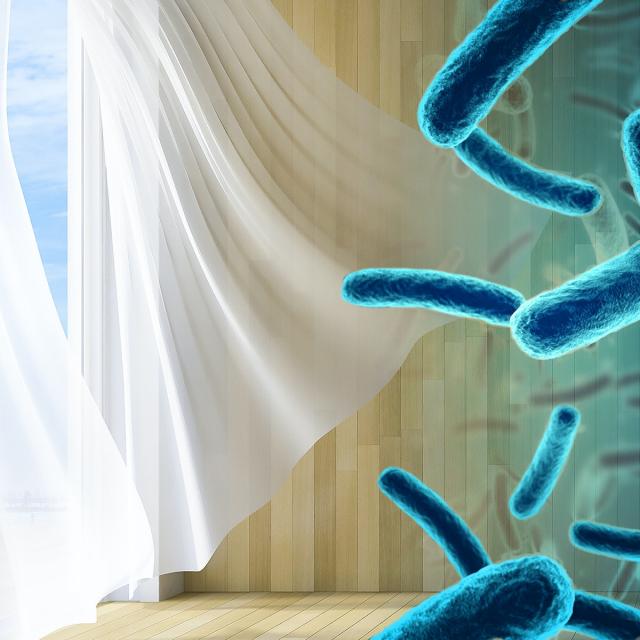
This course provides a basic knowledge of an emerging area – Indoor Air Quality (IAQ) in buildings. Learners will realize the importance of maintaining proper IAQ. Safe exposure levels, resulting health effects, measurement techniques, mitigate and control measures of these IAC are discussed. Other important areas related to IAQ such as building ventilation systems, indoor flow characteristics, sick building syndrome, and thermal comfort are also covered in this course.

Class Deals by MOOC List - Click here and see Coursera's Active Discounts, Deals, and Promo Codes.

Characteristics associated with indoor air contaminants (IAC) are demonstrated, such as
• Particulate matters (PM2.5, PM10)
• Radon
• Volatile organic compounds (VOCs)
• Asbestos
• Bio-aerosols, and more

Syllabus

WEEK 1
Introduction to Indoor Air Quality (IAQ)
Why do we care about Indoor Air Quality (IAQ)? In the first module, basic concepts of IAQ are illustrated. Besides, Ventilation is effective in improving IAQ in general. We shall look into the ventilation concept, methodologies, and measurement techniques.

WEEK 2
Radon and Indoor Aerosol
In this module, two major Indoor Air Contaminants - Radon and Indoor Aerosol are discussed. Their properties, sources, health impacts, mitigation and control measures are explained. Besides, we will look into another effective method to improve IAQ - Use of Air Cleaners. Some industries, such as pharmaceutical and semiconductor manufacturing, require very high cleanliness indoor environments. We will look into how professionals build cleanrooms for these industries.

WEEK 3
VOCs, Ozone and Combustion Related Pollutants
In this module, three other major Indoor Air Contaminants that can easily be found at home and office. - (1) Volatile Organic Compounds (VOCs), (2) Ozone and (3) Combustion related Air Contaminants (i.e., Carbon Monoxide and Nitrogen Dioxide) are introduced.

WEEK 4
Bioaerosols and Asbestos
In the last module of course, we look into the two other major indoor air contaminants - Bioaerosols and Asbestos. Staying in a clean environment does not mean the environment is comfortable. "Thermal Comfort" is also an issue that we need to consider. We also look into "Thermal Comfort" in this module.

Go to Class
MOOC List is learner-supported. When you buy through links on our site, we may earn an affiliate commission.

Related Courses

Career 911: Your Future Job in Medicine and Healthcare (Coursera) Coursera
Northwestern University

Career 911: Your Future Job in Medicine and Healthcare (Coursera)

This course aims to help high school students, recent graduates, and those considering career transitions explore health care career options and learn strategies for entry into the health care workforce and health related fields. There are lots of amazing job opportunities in medicine and healthcare! Join us, as we share the strategies and secrets for getting those jobs.

Jun 22nd 2026
5-12 Weeks
Comfort and Health in Buildings (edX) EdX
Delft University of Technology,DelftX

Comfort and Health in Buildings (edX)

Learn how to realize thermally comfortable and healthy buildings and how energy technologies impact comfort. Even in the well-accepted indoor temperature range of 20-24°C (68-75°F), people can experience thermal discomfort. Complaints about the indoor thermal environment are one of the major complaints building and facility managers have to deal with, and they spend a large amount of their time and money to solve them. People spend more than 80% of their time in buildings. Therefore a good thermal comfort and quality of the indoor environment are essential for their wellbeing, health and productivity.

Self Paced
Self-Paced
Environmental Protection and Sustainability (edX) EdX
IsraelX

Environmental Protection and Sustainability (edX)

Uncover better solutions to help manage a wide range of environmental problems and challenges facing our world today. Do you want to understand more about the environmental problems we currently face? Do you want to learn ways we can reduce the negative effects of these problems, and keep our environment more sustainable? If so, this course is for you.

Self Paced
Self-Paced
Future Healthcare Payment Models (Coursera) Coursera
Northeastern University

Future Healthcare Payment Models (Coursera)

This course will review the drivers of healthcare cost and solutions that have been proposed to address cost, quality and value of health care. Many point blame for high costs on payment models that pay healthcare providers for every service they provide to patients, essentially paying more for volume and service intensity. This is called a Fee for Service (FFS) payment model. Some solutions, arguably the more sustainable solutions, are the combined strategies of new payment models, care management, insurance plan designs, consumer engagement tools, and technology.

Jun 24th 2026
4 Weeks
An Introduction to the U.S. Food System: Perspectives from Public Health (Coursera) Coursera
Johns Hopkins University

An Introduction to the U.S. Food System: Perspectives from Public Health (Coursera)

A food system encompasses the activities, people and resources involved in getting food from field to plate. Along the way, it intersects with aspects of public health, equity and the environment. In this course, we will provide a brief introduction to the U.S. food system and how food production practices and what we choose to eat impacts the world in which we live. Through several case studies, we will discuss some key historical and political factors that have helped shape the current food system and consider alternative approaches from farm to fork.

Jun 22nd 2026
5-12 Weeks
Sleep: Neurobiology, Medicine, and Society (Coursera) Coursera
University of Michigan

Sleep: Neurobiology, Medicine, and Society (Coursera)

The objective of this course is to give students the most up-to-date information on the biological, personal, and societal relevance of sleep. Personal relevance is emphasized by the fact that the single best predictor of daytime performance is the quality of the previous night's sleep. The brain actively generates sleep, and the first section of the course is an overview of the neurobiological basis of sleep control.

Jun 22nd 2026
5-12 Weeks
Chemicals and Health (Coursera) Coursera
Johns Hopkins University

Chemicals and Health (Coursera)

This course covers chemicals in our environment and in our bodies and how they impact our health. It addresses policies and practices related to chemicals, particularly related to how they get into our bodies (exposures), what they do when they get there (toxicology), how we measure them (biomonitoring) and their impact on our health. Most examples are drawn from the US.

Jun 22nd 2026
5-12 Weeks
Conceptos y Herramientas para la Física Universitaria (Coursera) Coursera
Tecnológico de Monterrey

Conceptos y Herramientas para la Física Universitaria (Coursera)

Este curso provee al estudiante con conceptos y herramientas matemáticas para modelar problemas en física, que al aplicar podrá enfrentar con éxito los cursos de física universitarios. Así pues, la filosofía de este curso consiste en cubrir temas conceptuales relativos a la Física y desarrollar tu capacidad de aprender y aplicarlos en tu vida profesional.

Jun 22nd 2026
5-12 Weeks
Creativity, Innovation, and Change (Coursera) Coursera
Pennsylvania State University

Creativity, Innovation, and Change (Coursera)

Our lives are being disrupted by pandemics, global warming, wars, political chaos, and technological innovations. We must prepare for an unpredictable and unknown future - and this is the goal of the course on Creativity, Innovation and Transformation (CIT)! CIT is an upgrade of the former Creativity, Innovation and Change (CIC) course, which is now streamlined and updated with a new module on Transformation.

Jun 22nd 2026
4 Weeks
Child Nutrition and Cooking (Coursera) Coursera
Stanford University

Child Nutrition and Cooking (Coursera)

Eating patterns that begin in childhood affect health and well-being across the lifespan. The culture of eating has changed significantly in recent decades, especially in parts of the world where processed foods dominate our dietary intake. This course examines contemporary child nutrition and the impact of the individual decisions made by each family.

Jun 22nd 2026
5-12 Weeks